

Last updated October 31, 2026
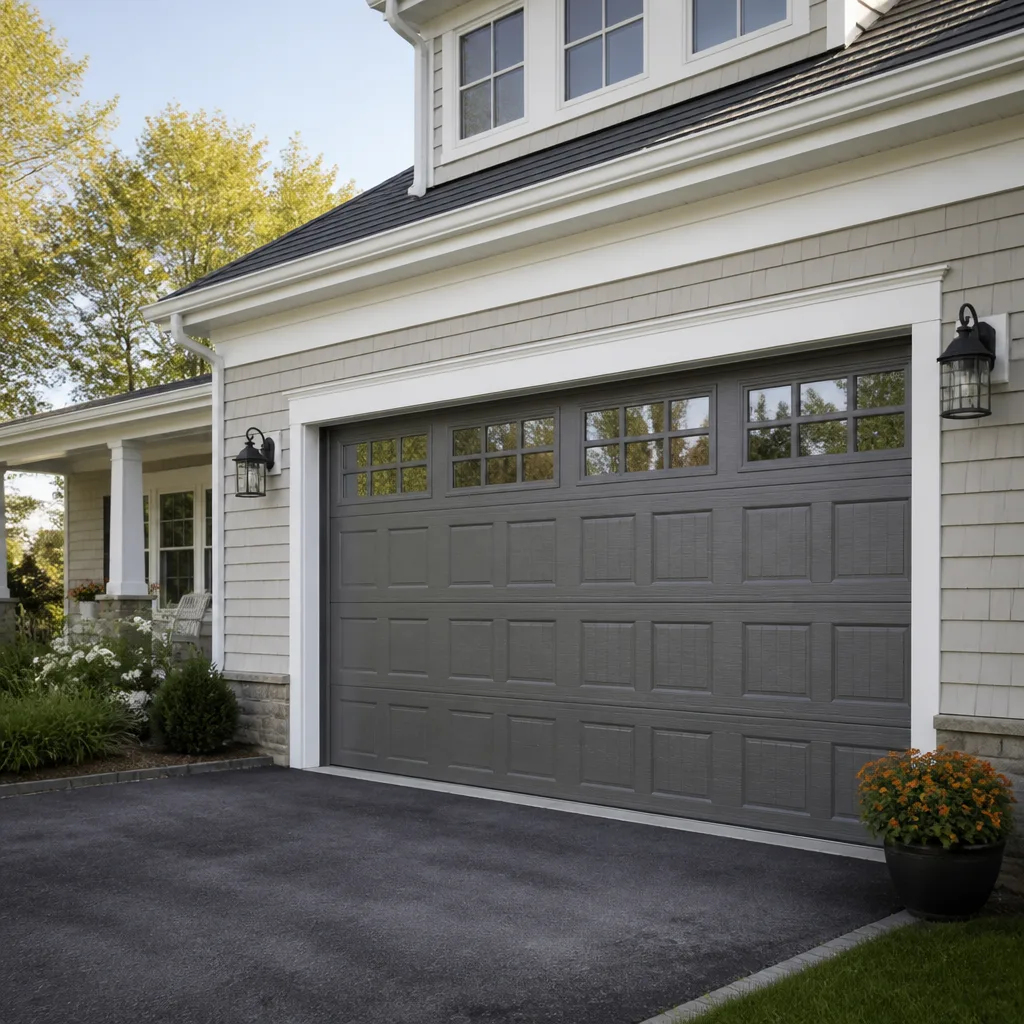
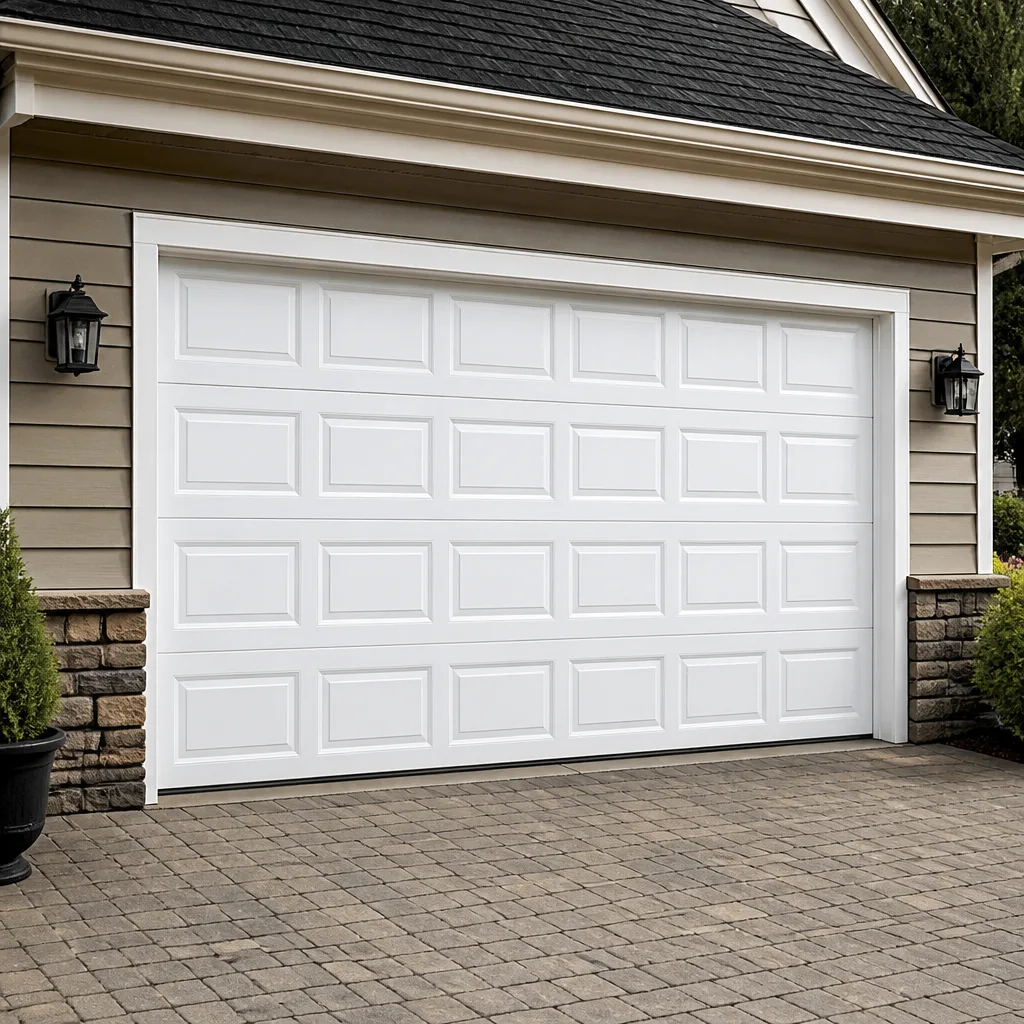 Raised-panel steel
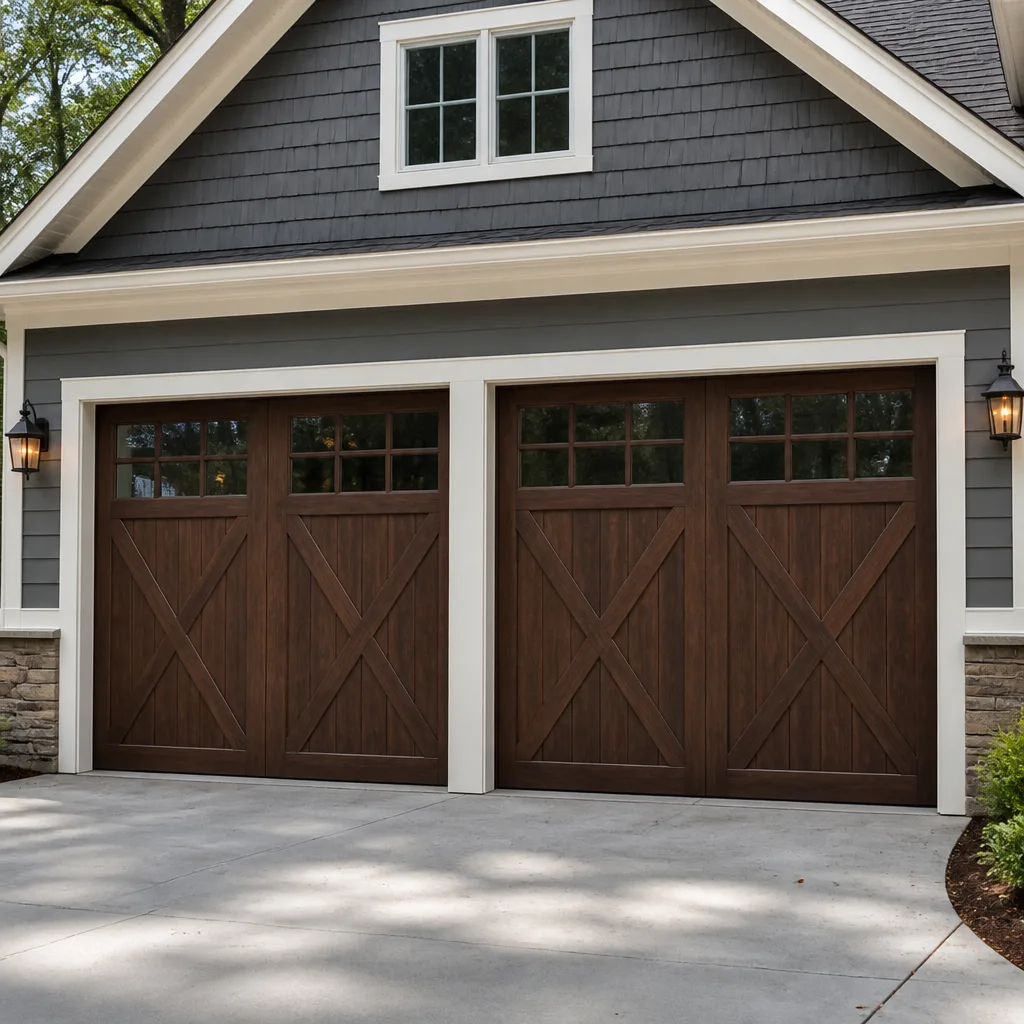 Carriage house
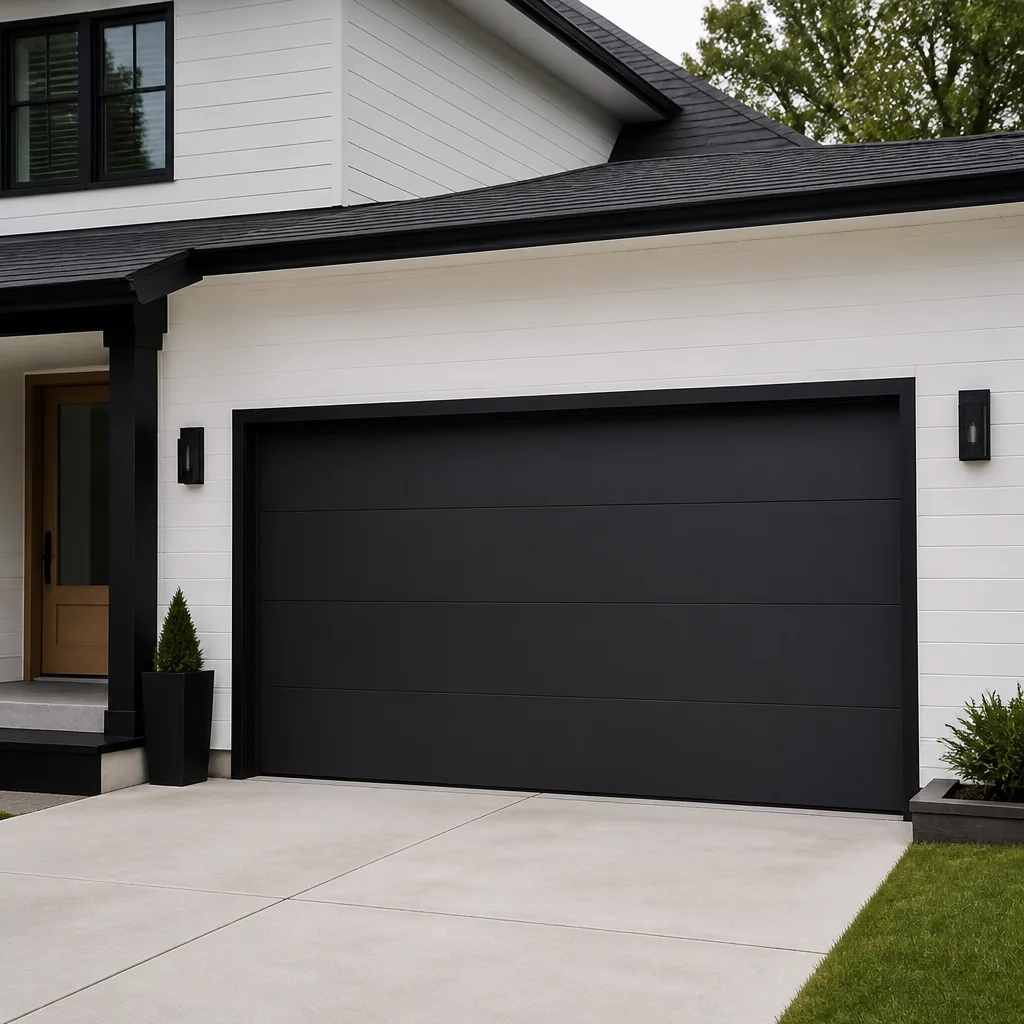 Modern flush
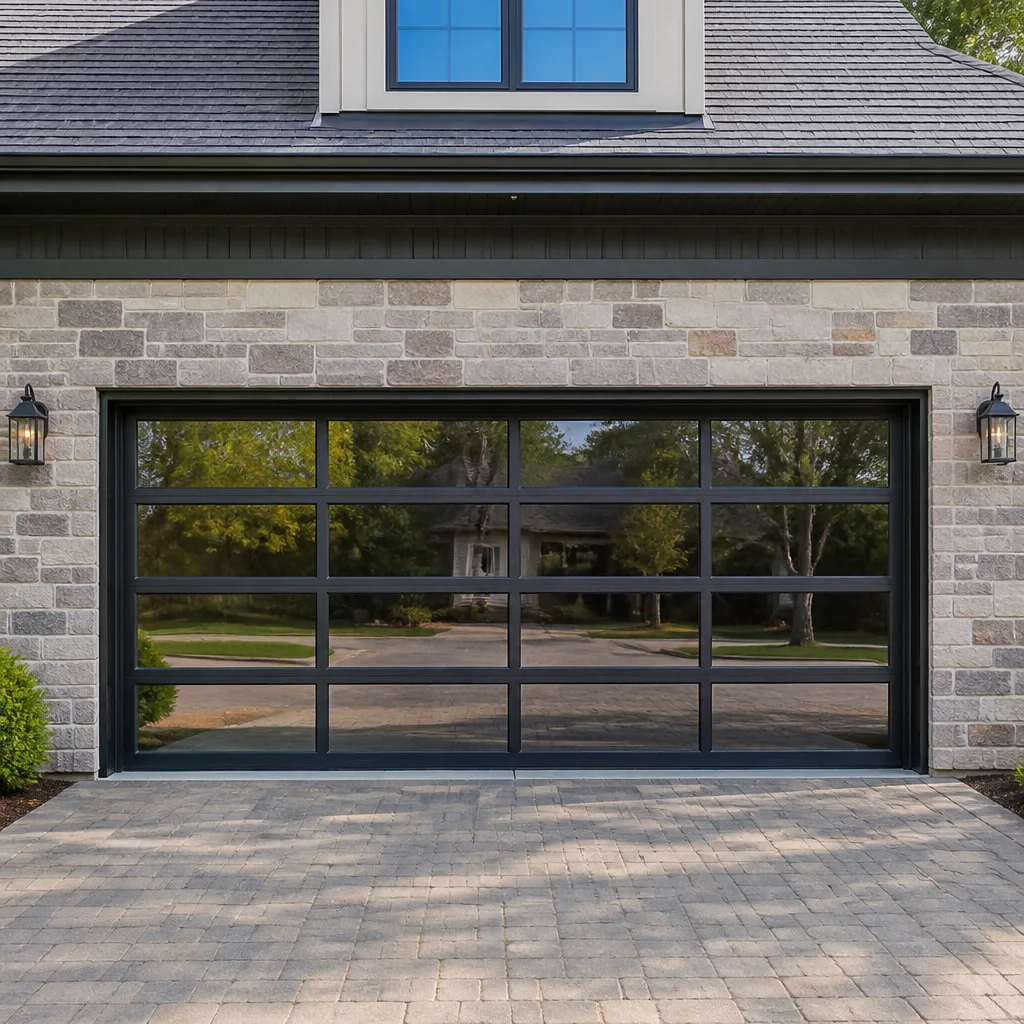 Full-view glass
 LiftMaster openers
 Chamberlain openers
Full 25-point door and opener safety check with every visit - springs, cables, rollers, tracks, and your LiftMaster or Chamberlain opener included
You get a price before we start. It does not change when the truck arrives.
Get your free estimateGarage Door Warning Signs: A Pasadena Homeowner’s Reference Guide
Here’s something most garage door guides won’t tell you: by the time your door refuses to open, it has already been asking for help for weeks. Not with a flashing light or an error code, but with sounds, rhythms, and small visual changes that read as quirks until the moment they become a $900 repair. In Pasadena, where most households depend on two cars and a garage that doubles as storage, a failed door doesn’t just cost money. It strands a car, blocks a commute, and sometimes leaves a house exposed overnight. This guide teaches you to read those early signals on the specific brands installed across Pasadena homes, so a simple fix stays simple. For more on selecting the right system, see our guide to Choosing the Right Garage Door Brand: A Buyer’s Guide for Pasadena.
Styles & brands we work with
Quick Answer
The most common early warning signs of garage door failure in Pasadena are a door that moves unevenly or hesitates mid-cycle, grinding or popping sounds during operation, visible cable fraying near the bottom roller brackets, a door that drifts down when open or slams faster than normal when closing, and an opener motor that runs noticeably longer than it did six months ago. Any one of these means a component, usually a spring or cable, is degrading. The correct response is a professional inspection, not waiting to see if it gets worse.
Table of Contents
- Normal Operation vs. Warning Sounds: What Your Door Is Telling You
- Visual Inspection Points: Springs, Cables, and Rollers You Can Safely Observe from Floor Level
- Why an Opener That Runs Longer to Close the Door Is a Weight-Balance Warning
- Pasadena’s Dry Climate and Cable Fraying: What Humid-Climate Guides Miss
- The Monthly Go/No-Go Balance Test: No Tools, No Training, Two Minutes
- Door Drift and Speed Changes: The Two Most Overlooked Red Flags
- Age-Based Warning Signs: What to Expect at 7, 12, and 20 Years
- Common Mistakes to Avoid
- When to Call a Professional
- Frequently Asked Questions
- The Bottom Line
Normal Operation vs. Warning Sounds: What Your Door Is Telling You
Every garage door makes sound. A healthy door produces a steady, low rumble as rollers track along metal rails, punctuated by the soft thunk of the door settling onto the ground or the click of the opener’s internal relay. That’s the baseline. The problem is that degradation sounds similar enough to normal operation that Pasadena homeowners tune it out, especially when the door is attached to a bedroom wall or opens beneath a living space.
We separate garage door noises into three categories after years of service calls across Pasadena and the San Gabriel Valley. The first category is normal: a smooth rolling sound, an even motor hum, one clean stop at each end of the cycle. The second category is advisory: a new sound that appears, stays consistent, and doesn’t get dramatically worse week over week. The third category is urgent: a sound that changes in pitch, volume, or timing, or one that accompanies visible shaking of the door panels.
Here’s what specific sounds mean on the most common opener and door brands we service:
- Grinding with no movement: On LiftMaster and Chamberlain openers, a grinding sound when the motor runs but the door doesn’t move almost always means stripped plastic drive gears inside the opener. This is a known wear point on chain and belt drive units from these brands. The motor spins, the gear teeth are gone, and the door stays put.
- Popping or snapping during travel: This is the sound of a torsion spring losing tension, typically in small increments. A single pop can mean one coil settled into a new position. Multiple pops over days or weeks mean the spring is actively failing. On Wayne Dalton doors with TorqueMaster spring systems, this sound is often more muffled because the spring sits inside a tube, which makes it easier to dismiss. Don’t.
- Slapping or banging at the top or bottom of travel: The door should never slam. If it slaps hard at the ground or bangs when fully open, the spring tension is no longer matching the door’s weight. On Craftsman or Raynor doors that are 15 years or older, this is often the first sign that springs are nearing end of life.
- Metallic squealing from the roller area: A high-pitched squeal that follows the door up and down usually points to roller bearings running dry. This is fixable and not immediately dangerous. Ignore it long enough, and a seized roller can flatten itself against the track, turning a $150 service call into a track and roller replacement.
- Rattling from the opener head: A rattling sound from the motor unit while the door runs can indicate loose mounting bolts or a failing sprocket. It’s often audible inside the house as a vibration through the ceiling. We’ve seen this on all major brands, but it’s especially common on openers that are hard-mounted to wooden garage ceiling joists, which are standard in many older Pasadena homes.
One genuinely useful habit: stand inside the garage once a month while the door cycles and listen to the full sequence. Close your eyes if it helps. Baseline sounds are consistent. Warning sounds change between cycles. If today sounds different than last month, something is wearing.
Visual Inspection Points: Springs, Cables, and Rollers You Can Safely Observe from Floor Level
There are exactly three components on a sectional garage door that generate enough stored energy to cause serious injury if they fail unexpectedly: torsion springs, extension springs, and lifting cables. None of these require you to touch anything or climb a ladder to inspect. You can see everything you need from floor level, in good light, with both feet on the ground.
Here are the six visual checks we recommend doing every three months, along with what we look for when we perform the same inspection on Pasadena service calls:
- Torsion spring gap check: Look up at the spring assembly mounted on the header above the closed door. A healthy torsion spring has coils touching coils, neatly wound and uniform. If you see a gap between any two adjacent coils, that spring has already snapped. If you see a gap larger than two millimeters, the spring snapped while the door was in a different position and the gap is now visible. This is the single most common finding on doors that “suddenly won’t open” in Pasadena.
- Extension spring stretch check: On older doors with springs running parallel to the horizontal tracks, look at both springs. They should be identical in length. If one is longer than the other, the shorter one has lost tension. If you see a safety cable running through the center of each spring, that’s a good sign. If you don’t, the springs and cables are older than code requirements, and we’d flag it for replacement.
- Cable condition near the bottom roller bracket: The lifting cables attach to the bottom corners of the door. Look at the last six inches of cable above that attachment point. You’re looking for individual wire strands sticking out, a fuzzy appearance, or a change in color from bright steel to dark rust brown. Any of those mean the cable is shedding material and getting thinner. This is the warning sign to catch, because cable failure on a single side is what sends a door crashing down diagonally.
- Roller inspection from floor level: Look at the rollers where they enter the vertical tracks. A healthy roller sits square in the track with no visible wheel wobble. If a roller’s wheel is worn flat on one side, or if the roller assembly sits noticeably off-center, the wheel is failing. On nylon-wheeled rollers, look for cracks or chunks missing. On steel-wheeled rollers, look for a flattened contact surface.
- Track alignment side view: Stand at the back of the garage and sight down each vertical track. The track should be straight and parallel to the wall. A track that bulges inward or outward even slightly indicates the door has been pushing against it, typically because a spring lost tension on one side and the door is lifting unevenly.
- Door panel seams at eye level: When the door is closed, look at the horizontal seams between panels. They should be even from side to side. A seam that’s compressed on one side and spread on the other means the door is carrying load unevenly, which points straight back to spring balance.
These checks take about three minutes once you know what you’re looking at. They don’t require you to remove anything, loosen anything, or put your hands anywhere near a pinch point. If any of the six checks produces a finding, that’s your go/no-go signal to schedule a professional inspection before the next problem makes itself known at the worst possible time. Our Garage Door Repair in Pasadena team performs these same checks on every call and often catches secondary issues before they fail.
Why an Opener That Runs Longer to Close the Door Is a Weight-Balance Warning
This one catches almost everyone. When a garage door opener starts taking longer to move the door through a cycle, the natural assumption is that the opener motor is failing. It’s an assumption that makes sense, because the opener is the part you can see and hear. But it’s usually wrong.
Here’s what’s actually happening. A garage door opener is rated for a specific amount of work per cycle, measured by how much force it exerts to lift the door. The springs, not the opener, do most of the actual lifting. On a properly balanced door, the opener is managing maybe 10 to 20 percent of the total effort. When a spring loses tension, that percentage climbs. The opener motor is now doing real work. It draws more current, runs hotter, and takes longer to move the same door the same distance. The extended cycle time is the symptom. The spring is the disease.
We see this pattern on every opener brand we service, but it’s most noticeable on belt-drive LiftMaster and Chamberlain units because their motors are quieter and the extended run time stands out against a previously silent baseline. On Genie screw-drive units, the change often sounds like a groaning or straining noise that accompanies the longer cycle. On older Craftsman chain-drive units, the chain might develop visible slack during the closing portion of the cycle.
A simple test: time your door’s full open cycle with your phone. Then time it again a month later. On a healthy door, the time should be identical, or within a second. A change of three seconds or more in a month is meaningful. A change of five seconds or more is a call-worthy finding. The opener isn’t the problem, but if you ignore it, the opener will become a problem, because you’re burning through its rated lifespan by forcing it to work without proper spring assistance. Replacing a spring costs significantly less than replacing a spring and an opener together.
For homeowners who’ve noticed this change and want to know the root cause before deciding what to do, our Garage Door Opener Repair in Pasadena service starts with a balance assessment. That tells us whether the opener needs work, the springs need replacement, or both. It’s the difference between fixing the symptom and fixing the cause.
Pasadena’s Dry Climate and Cable Fraying: What Humid-Climate Guides Miss
Most garage door maintenance guides are written for generic American suburbs, and they emphasize rust as the primary cable killer. That’s reasonable advice if you live somewhere with humid summers and road salt. Pasadena is neither of those places. Our climate is dry, with average humidity levels that stay low year-round, and we don’t get snow or salted roads. What Pasadena gets is heat, UV exposure, and wild temperature swings between day and night, particularly in the hills and canyon neighborhoods.
Here’s what that does to garage door cables. The cables are made of stranded steel, typically galvanized. In a humid climate, surface rust attacks the galvanizing first and eventually eats into the steel strands. In Pasadena’s dry climate, rust is less common. What we see instead is metal fatigue. The cables on a garage door flex every single time the door cycles, and over thousands of cycles, the steel strands work-harden at the points of highest stress: the bottom roller brackets where the cable loops through, and the drum wraps where the cable winds and unwinds.
Work-hardened cable doesn’t rust. It frays. Individual strands separate from the main cable body. The cable develops a fuzzy, hairy appearance. If you run a gloved hand along the cable, you’ll feel snags. If enough strands fail, the remaining strands carry the full load and break without warning. This is why Pasadena cable failures often happen on a door that looked visually fine just a week earlier. The failure is mechanical, not corrosive, and it doesn’t announce itself with rust streaks.
There’s a second Pasadena-specific factor. Our dry air means very little moisture cushioning inside the cable structure, so the galvanizing doesn’t get the periodic moisture exposure that can actually help prevent micro-fractures from propagating. That’s not a maintenance failure. It’s the local environment acting on a component that was always going to fatigue anyway, and it’s why we tell Pasadena homeowners to inspect cables for fraying at least every three months, particularly on doors that run more than four cycles a day.
If you spot fraying, don’t pull on the cable to test it, don’t try to trim the loose strands, and don’t run the door again until it’s been assessed. A frayed cable is a loaded failure waiting for its moment. This is a repair we handle routinely as part of our broader Garage Door Repair in Pasadena work, and it’s always faster and cheaper to replace a frayed cable before it snaps than to deal with the aftermath of a dropped door.
The Monthly Go/No-Go Balance Test: No Tools, No Training, Two Minutes
There’s one test that tells you more about your garage door’s overall health than any other single check, and it requires nothing but your hands and a clear strip of floor. It’s called a balance test, and it measures how well the springs are matching the door’s weight. We recommend running it monthly, on the first of the month, while you’re already doing other household routines. Pasadena garages in neighborhoods like Bungalow Heaven, Madison Heights, and Hastings Ranch have doors of varying weights and sizes, but the test works identically on all of them.
Here’s the procedure, step by step:
- Close the door and pull the emergency release handle. This is the red cord that hangs from the opener rail. Pull it down and toward the door. You’ll hear a click as the opener disengages from the door. The door is now fully manual.
- Lift the door by its handle or bottom edge to about waist height. Use both hands. The door should move smoothly without excessive effort. If it’s heavy enough that you have to strain, that’s a finding. A balanced door feels light because the springs are doing the work.
- Let go of the door completely. This is the actual test. A balanced door stays where you left it, moving no more than a few inches either way. It should not drift up, and it should not settle down.
- Watch what happens for five full seconds. If the door drifts downward more than six inches, the springs are weak and no longer lifting the full weight. If it shoots upward, the springs are over-tensioned. Either condition means the door is out of balance.
- Repeat at chest height. Lift the door to chest height and release again. Same test, different travel position. Some balance problems only show up in one section of the travel path, and checking two positions catches more.
- Re-engage the opener. Pull the emergency release handle back toward the opener motor until it clicks, then run the opener through one full cycle. The carriage should reconnect automatically and the door should move normally.
If your door fails either the waist-height or chest-height release test, you now know something a lot of Pasadena homeowners don’t: the springs are going. Not going to go. Going. The door still works because the opener is compensating, but the situation is deteriorating and the eventual failure is predictable. Catching it at this stage means a scheduled repair on your timeline, not an emergency call when the door is stuck open or closed.
Door Drift and Speed Changes: The Two Most Overlooked Red Flags
Two signs appear earlier than almost any other and get ignored more consistently than any other. Both are visible in normal daily use, and both are worth taking seriously.
The first is door drift. You open the garage door fully, you park the car, you walk inside, and twenty minutes later you come back out and the door has settled a few inches down from the top of the opening. That’s drift. It happens because the springs no longer hold the door open. The door is heavy, gravity is working, and the springs are losing. Homeowners rationalize drift as normal, something all doors do, or “just the way this one has always been.” It’s not normal. A properly balanced door stays put when fully open, indefinitely. Drift means the springs are in active decline.
The second is speed change. A door that closes faster than it used to, or that seems to accelerate in the last few feet of descent, is telling you the springs aren’t resisting gravity the way they should. This one is easier to dismiss because a faster-closing door feels more efficient, not less safe. But a door should close at the speed the opener dictates, not the speed gravity dictates. Uncontrolled descent speed is a spring problem, and it puts strain on every component in the system.
On LiftMaster and Chamberlain openers with myQ connectivity, you might not notice speed changes because the opener actively manages descent speed and adjusts motor force. But the opener is masking the problem, not fixing it. The springs are still failing. The opener is just compensating, which means the first sign you actually notice might be the opener giving up. On non-connected Craftsman or Genie units from older installations, the speed change is often more visible because the opener offers less active resistance.
Both drift and speed changes share a common pattern: they progress slowly enough that homeowners adapt to them. You don’t notice a door that’s 3 percent slower to close than it was a month ago, because you weren’t timing it. That’s why the two-minute monthly test matters. It interrupts the gradual normalization and gives you objective data. If the door drifts, the springs are calling. If the door closes faster, the springs are calling louder.
Age-Based Warning Signs: What to Expect at 7, 12, and 20 Years
Garage door components have predictable service lives, and understanding those timelines helps Pasadena homeowners anticipate problems before they become emergencies. For year-round maintenance tips, see our Seasonal Garage Door Care for Pasadena: Year-Round Homeowner’s Guide. Here’s what we tell homeowners about each stage of a door’s life, based on cycles observed across the city’s housing stock, which ranges from 1920s California bungalows to early-2000s tract builds.
At 7 years: The original springs on a typical residential door are rated for 10,000 cycles, which translates to about 7 to 10 years of normal use for a two-car household that runs the door three or four times a day. At the 7-year mark, original springs are in the second half of their service life. This is when we start seeing early warning signs on otherwise well-maintained doors: slight drift, minor balance test failures, and the first popping sounds as spring coils settle. Rollers are also approaching end of life on doors that haven’t had roller service. If you’re in a 7-year-old Pasadena home and the door is original, start running the monthly balance test now.
At 12 years: A 12-year-old door has almost certainly had springs replaced at least once, unless the home sees unusually light garage use. The parts to watch now are cables, rollers, and the opener itself. Cables that have never been replaced are entering the fatigue window where Pasadena’s dry climate starts to matter. Opener motors from the original build are typically 12 to 15 years old, and we see an uptick in gear failures, capacitor failures, and logic board failures in this window. If the opener still works, that’s fine, but if it starts running longer or making new sounds, it deserves a professional look rather than another year of benign neglect.
At 20 years: A 20-year-old garage door is at the point where piecemeal repairs become less cost-effective than replacement. The panels have absorbed two decades of sun exposure, and Pasadena’s UV levels are significant, particularly on south-facing and west-facing garage doors in neighborhoods like Altadena and the Linda Vista hills. Faded panels are cosmetic, but warped panels, separating stiles, and failing hinge mounts are structural. If a 20-year-old door needs both springs and cables plus has visible panel degradation, we generally recommend pricing a replacement. Our Garage Door Installation in Pasadena team can walk you through whether repair or replacement makes more sense for your specific door.
The useful takeaway here is that garage doors give age-predictable warnings. A 7-year-old door with drift is a spring issue. A 12-year-old door with cable fraying is a material fatigue issue. A 20-year-old door with all of the above is a lifecycle decision. Knowing which stage your door is in tells you how seriously to take each warning sign.
Common Mistakes to Avoid
After years of service calls across Pasadena, here are the specific mistakes we see homeowners make that turn small problems into large ones:
- Lubricating a noisy door as a first response. Lubrication quiets some noises and masks others. A popping spring sound doesn’t go away with lube, it just gets buried under the new lubricant smell for a week. If you don’t know the cause of the sound, lubricating first delays diagnosis.
- Pulling the emergency release while the door is open. A balanced door stays put when released. A door with weak springs will drop hard when the release is pulled, and if the door is over your head, you’re directly beneath a falling object. Always pull the release with the door closed, or stand completely clear if you must release an open door.
- Replacing the opener when the real problem is spring balance. This is the most expensive mistake on this list. The opener struggles, so the homeowner replaces the opener, and the new opener struggles too because the springs are still bad. Diagnose balance first, then opener function. A struggling opener is usually a symptom.
- Ignoring a door that’s slightly crooked when in motion. A door that lifts unevenly, one side leading the other, is telling you a cable or spring is failing asymmetrically. Let it go, and the uneven load will bend a track, pull a hinge, or snap a cable, all of which cost more than the original repair.
- Doing DIY spring replacement based on internet tutorials. Torsion springs store enormous amounts of energy. The tools, the winding procedure, and the failure mode of a mistake are all unforgiving. This is the one repair where we will always, without exception, recommend a trained professional. No tutorial replaces the hands-on experience of someone who’s wound hundreds of springs.
- Waiting until the door won’t move to schedule service. Pasadena homeowners who call at the first drift, first pop, or first longer-than-normal cycle typically pay for a spring or cable replacement on a scheduled timeline. Those who wait until the door is stuck pay for the same repair plus the cost of an emergency call, and sometimes a new opener on top of that because the struggling motor burned out.
- Assuming a newer home means no door problems. We get called to homes built in the last five years with door failures, usually because the builder-specified springs were rated for the lowest cycle count available. New doesn’t mean problem-free. Age matters less than cycle count, and a door that runs six times a day wears faster than one that runs twice.
When to Call a Professional
If a specific scenario matches your current situation, call now rather than waiting for more data:
- You see a visible gap in the torsion spring coils, any size of gap.
- The door fails the monthly balance test in any position.
- Cable inspection reveals fraying, broken strands, or color changes.
- The door makes a popping sound more than once during a single cycle.
- The opener motor runs longer than it did a month ago, measured by your phone timer.
- The door drifts down when open, even an inch.
If any of these are true, you’re not in a “keep watching it” situation. You’re in a “schedule the repair while the door still works” situation, which is the best position a homeowner can be in. Stonewall Garage Door Repair offers free estimates in Pasadena. Call (855) 740-8388 and describe what you’re seeing. We’ll tell you honestly whether it needs attention now or can wait, and we’ll quote a price before any work begins.
Frequently Asked Questions
You know a spring is going bad when your door drifts down after being opened, fails a manual balance test, makes popping sounds during travel, or when the opener motor runs longer than it used to while moving the door the same distance. Any one of these indicates spring fatigue, and a spring in decline will eventually snap, leaving the door inoperable. Call (855) 740-8388 if you’ve noticed any of these signs in your Pasadena garage, and we’ll assess the springs before they go from declining to broken.
A popping sound during operation means a torsion spring coil has shifted under load, which happens as the spring’s metal fatigues and loses tension. One pop might be a one-time event. Repeated pops over days or weeks are the audible countdown to spring failure. The fix is spring replacement, done by a professional with proper tools and training. Estimates are free, and every price is quoted before work starts.
A garage door can fall when a spring breaks, which is why the springs carry the entire weight and the cables exist as a secondary restraint. If a spring snaps while the door is open, the full weight transfers to the cables, and if the cables are also fatigued, the door can come down hard. This is why we recommend catching spring fatigue early and why cable inspection matters. If your door has shown drift or popping sounds, don’t wait for the failure.
We recommend three levels of inspection in Pasadena: a quick listen during every open-close cycle, which costs nothing and takes conscious attention; a full visual check of springs, cables, rollers, and track alignment every three months; and the two-minute manual balance test every month. If you’re planning a new installation, read How to Hire a Garage Door Contractor in Pasadena: A Step-by-Step Guide first. Pasadena’s dry climate accelerates cable fatigue, so visual cable checks deserve extra regularity here compared to coastal or humid climates.
Spring replacement costs vary by door weight, spring type, and whether you’re replacing one or both springs, but the right comparison point is what it costs to wait: a snapped spring often strands a car, exposes the garage overnight, and can damage the opener if the door drops hard. We quote an exact price before any work begins, and the quoted price is the price you pay. Call (855) 740-8388 for a free estimate based on your specific door.
We work on the eight major brands most commonly installed across Pasadena and surrounding communities: LiftMaster, Chamberlain, Genie, Clopay, Amarr, Wayne Dalton, Craftsman, and Raynor. If your door or opener is from any of these manufacturers, we know its specific quirks and failure patterns. Check the Stonewall Garage Door Repair home page for our full service area and brand coverage details.
The Bottom Line
Garage doors don’t fail in silence. They drift, pop, grind, slow down, speed up, and show visible wear on springs and cables for weeks before the final failure. The difference between a Pasadena homeowner who catches those signals and one who gets stranded at 6 a.m. is a few minutes a month of intentional attention: a balance test, a visual cable check, a timed cycle, and a listen to the sounds the door makes. None of this requires tools, training, or technical skill. It requires knowing what to look for, which this guide has given you. When your door tells you something is wearing, call a professional who works on the brand already on your garage. Stonewall Garage Door Repair is at (855) 740-8388, and every estimate is free.
Written by the team at Stonewall Garage Door Repair, serving Pasadena since 2013. Browse more guides & resources from our team.
See the difference
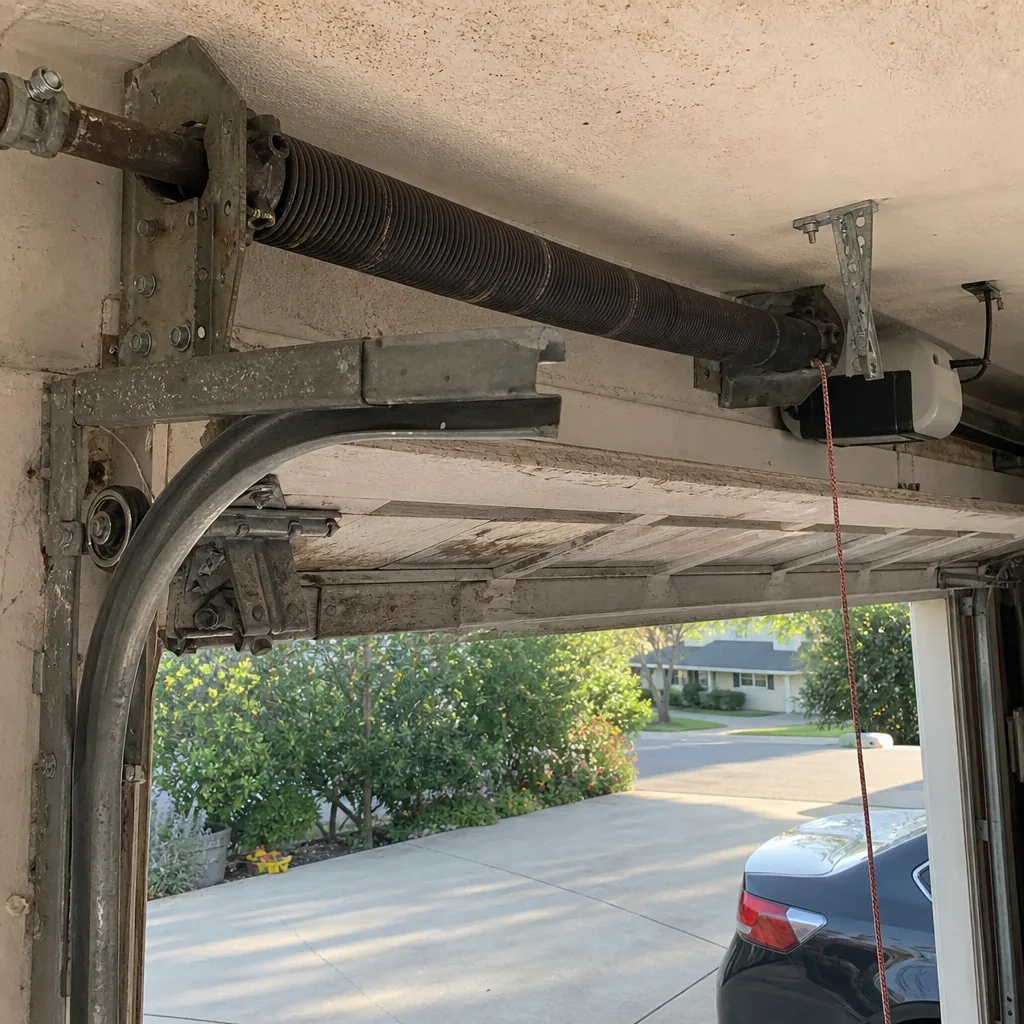 Before
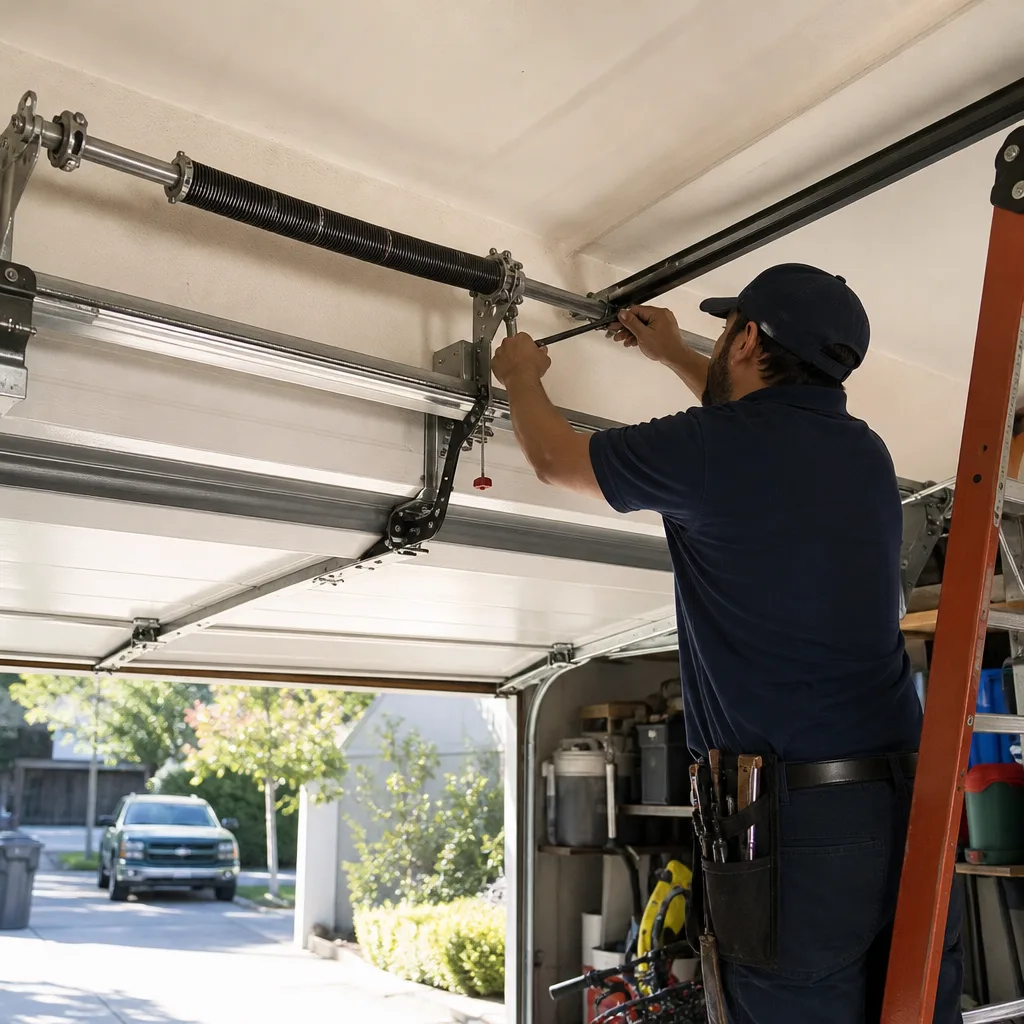 After
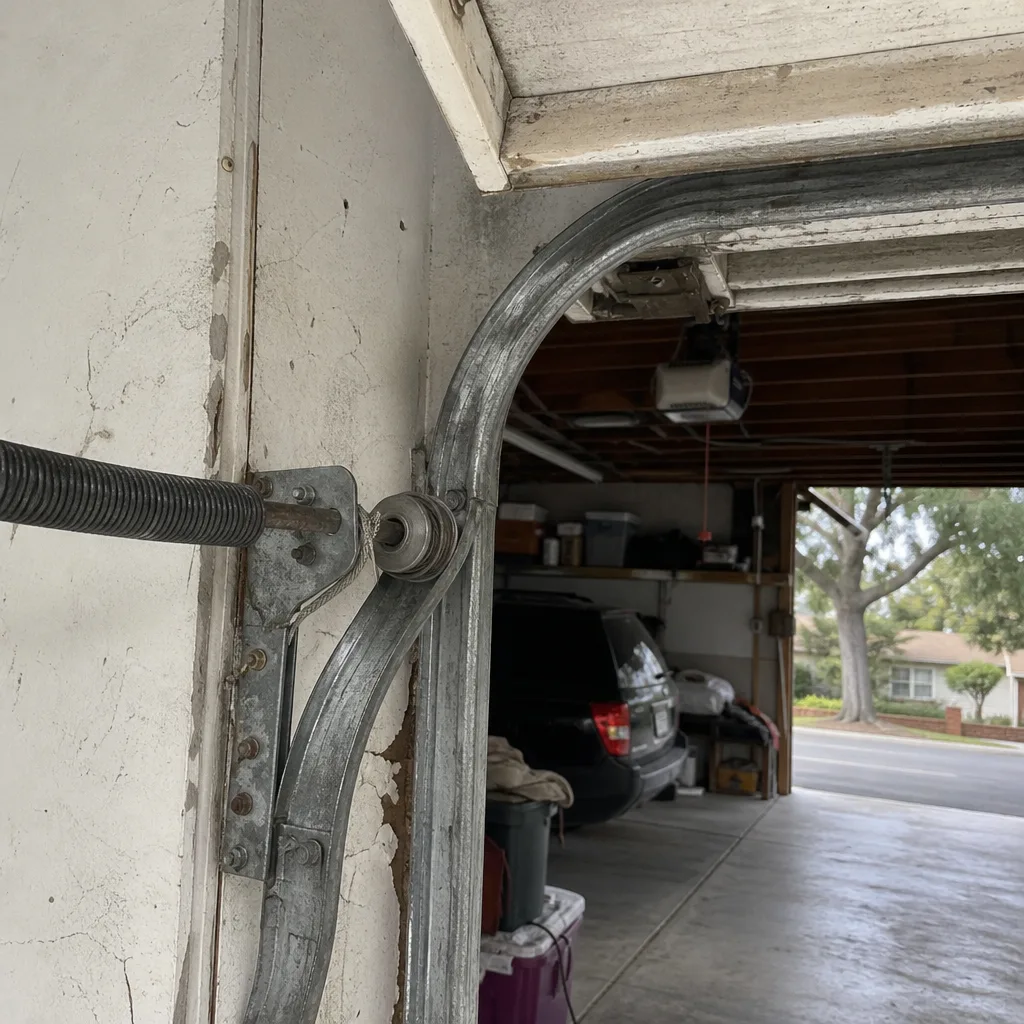 Before
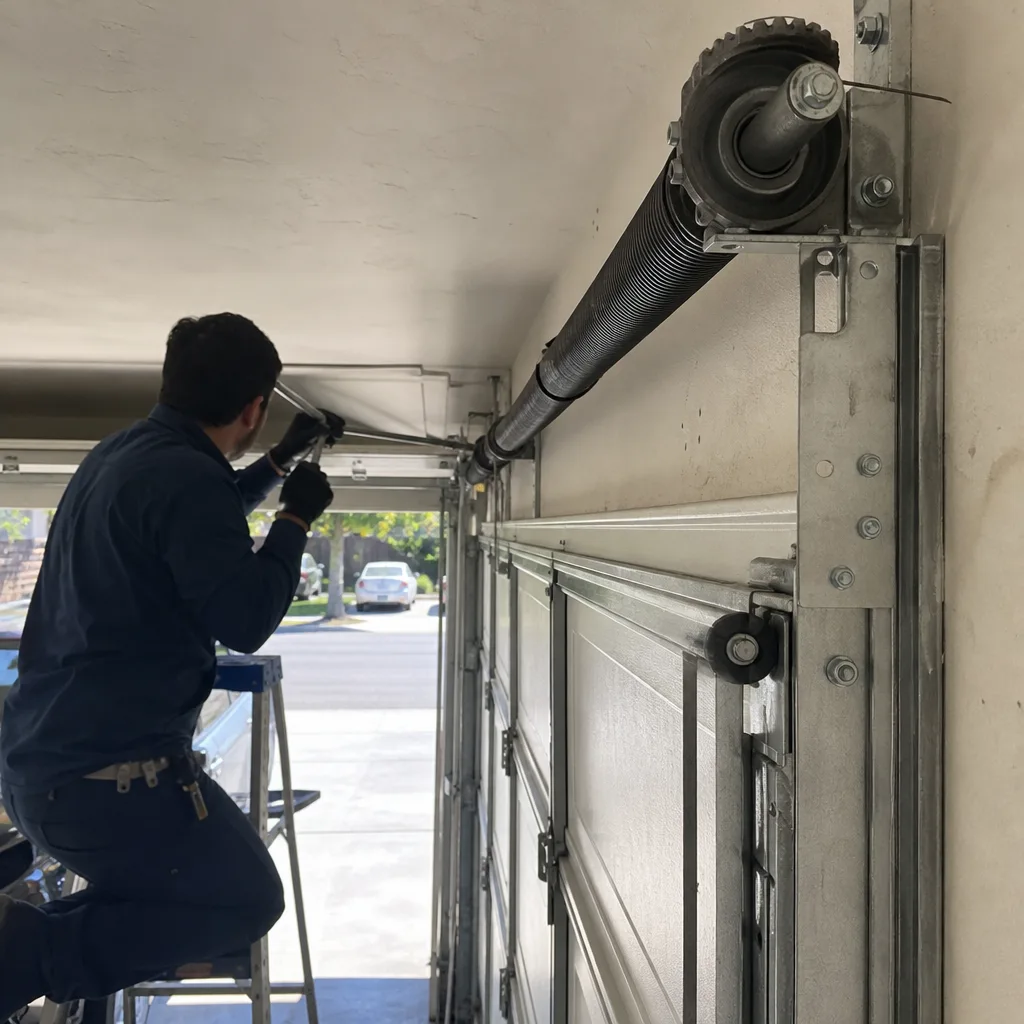 After
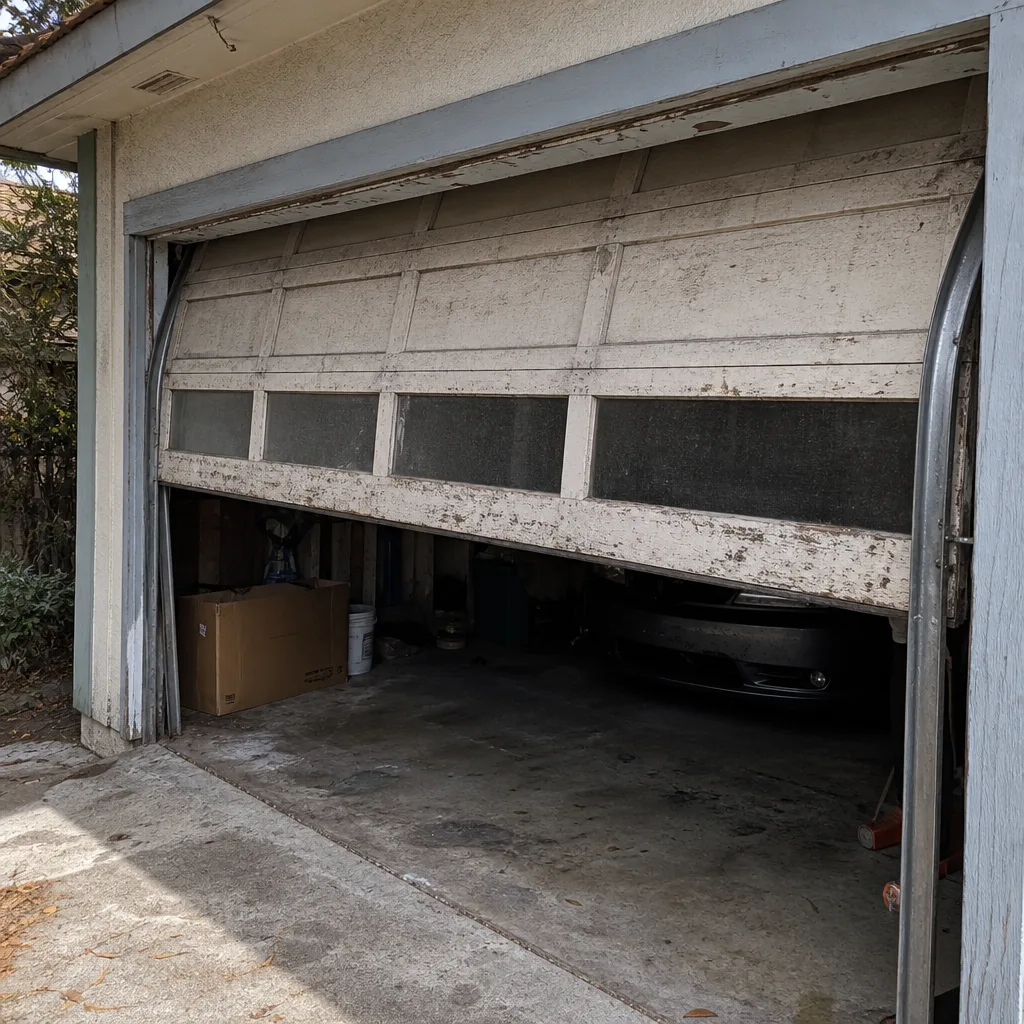 Before
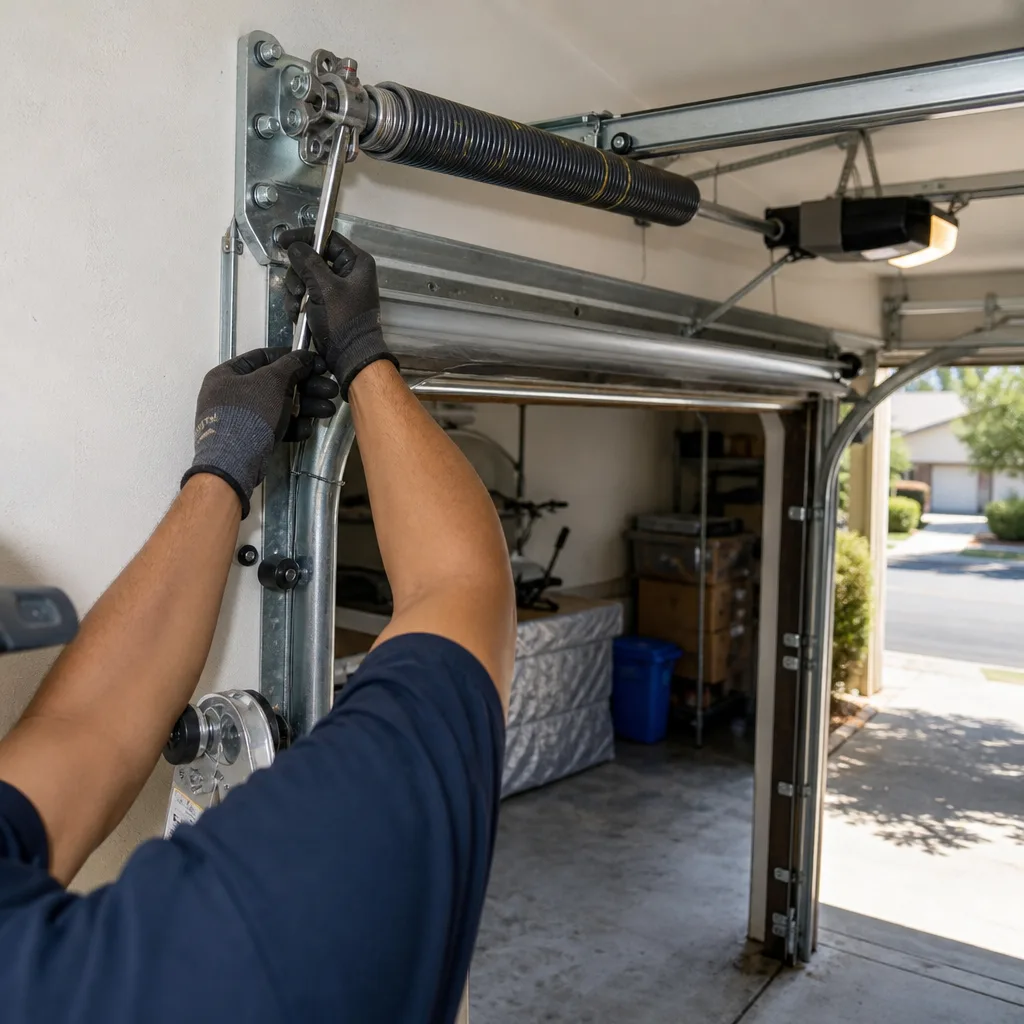 After