

Last updated October 31, 2026
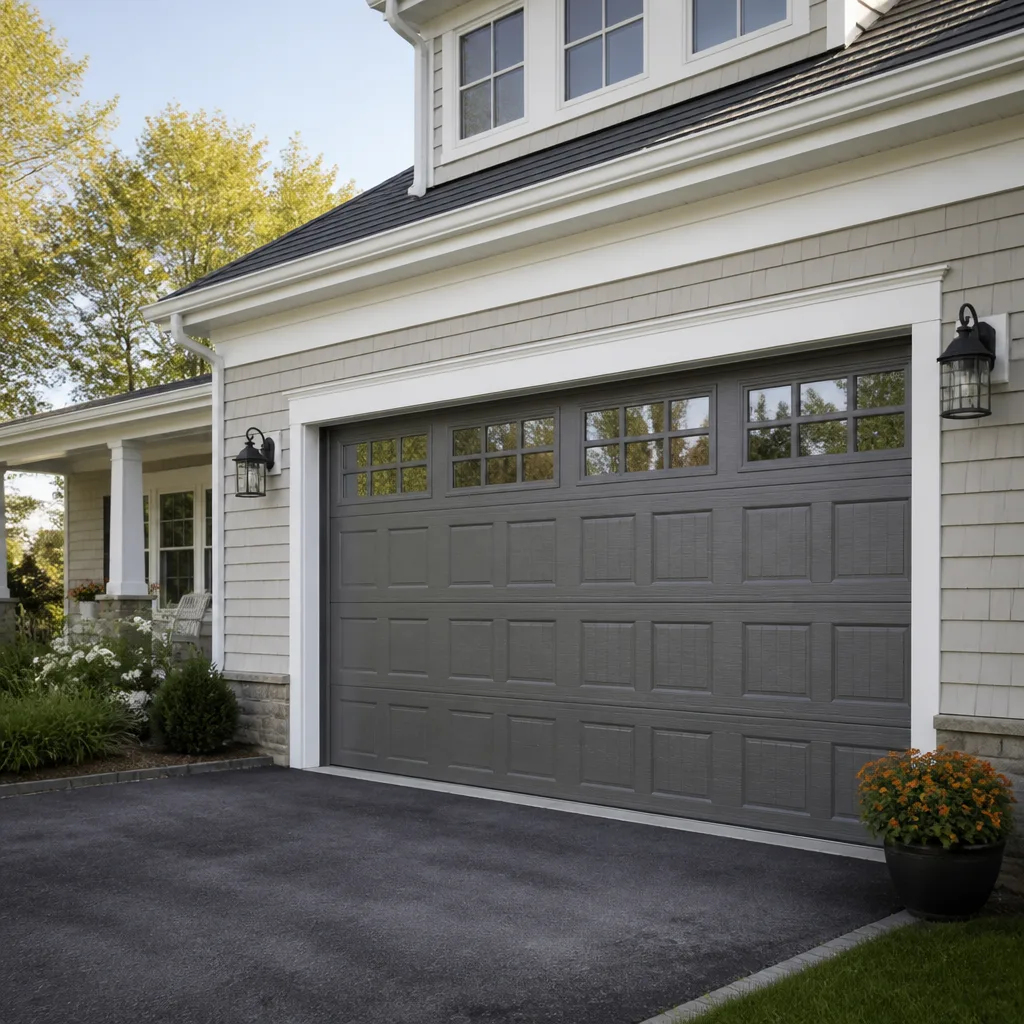
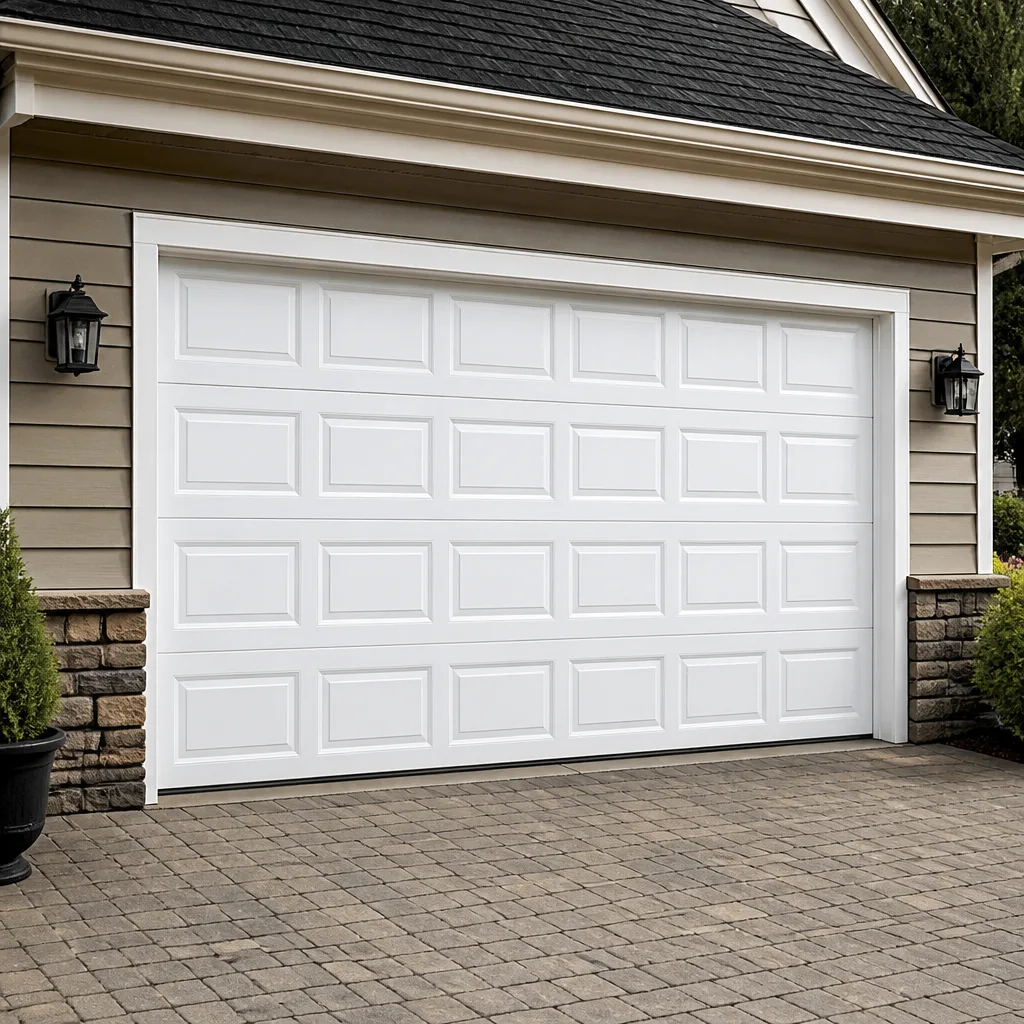 Raised-panel steel
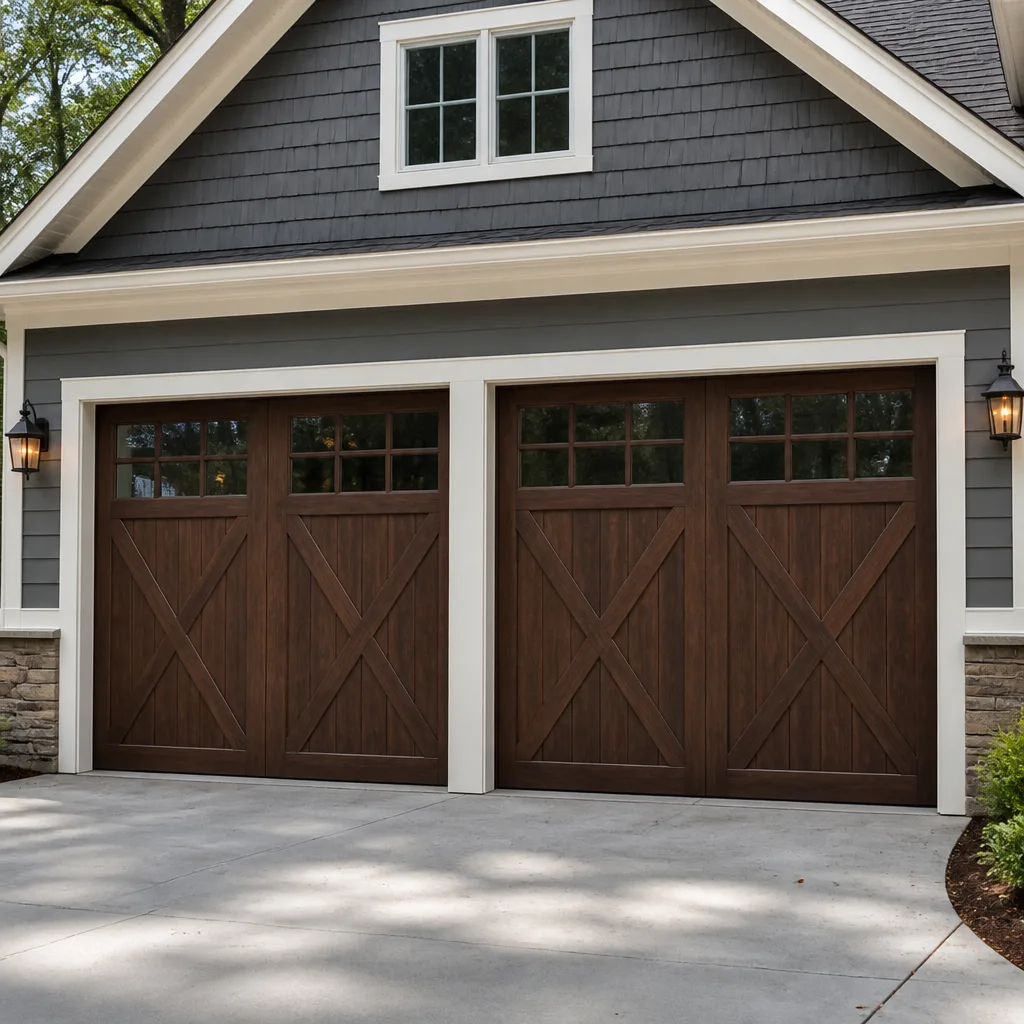 Carriage house
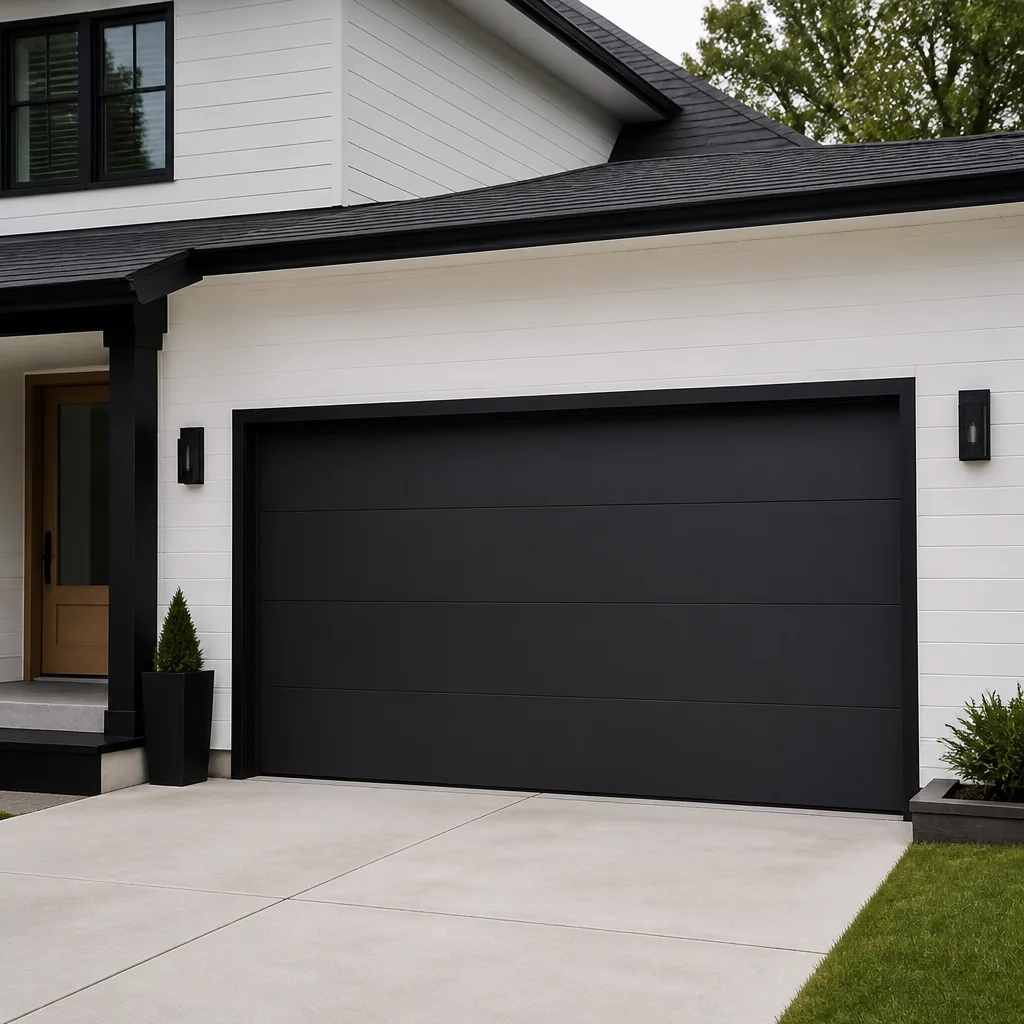 Modern flush
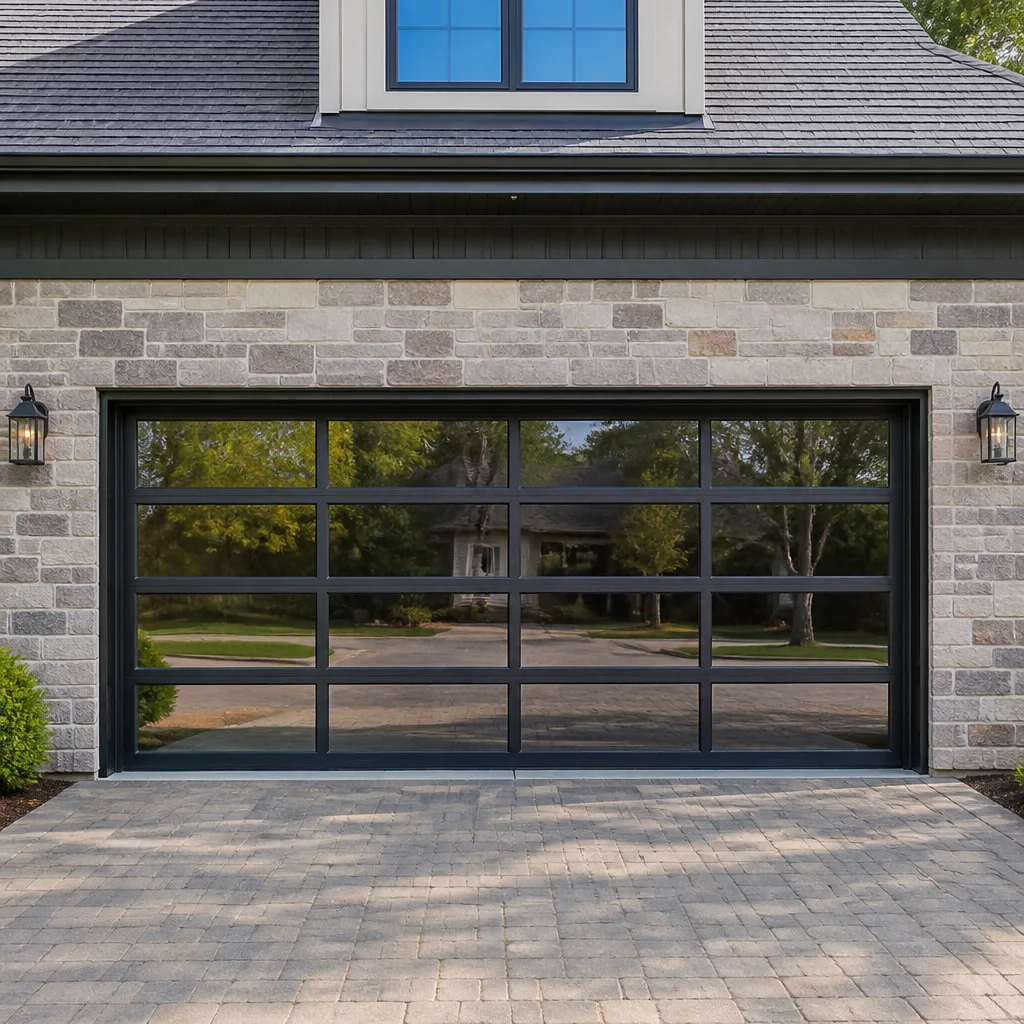 Full-view glass
 LiftMaster openers
 Chamberlain openers
Full 25-point door and opener safety check with every visit - springs, cables, rollers, tracks, and your LiftMaster or Chamberlain opener included
You get a price before we start. It does not change when the truck arrives.
Get your free estimateDIY vs Professional Garage Door: The Pasadena Homeowner’s Decision Guide
Every year, homeowners across Pasadena end up in a familiar position: standing in the driveway, staring at a garage door that won’t open, wondering whether to grab a wrench or grab the phone. The decision usually gets framed as a question of skill, but that’s the wrong way to look at it. The real dividing line is consequence. Some garage door tasks are genuinely approachable for a careful homeowner with basic tools. Others involve stored mechanical energy, structural weight, or California code compliance that no amount of YouTube confidence overcomes. If you live in a 1920s bungalow near Caltech or a mid-century ranch in Linda Vista, your garage door is one of the largest moving objects in your home. Understanding where the line sits, component by component, will save you time, money, and a trip to urgent care.
Styles & brands we work with
Quick Answer
Homeowners in Pasadena can safely handle minor garage door tasks like weatherstripping, sensor realignment, and remote reprogramming, but should call a licensed professional for anything involving torsion springs, cables under tension, track realignment, or full door installation. Torsion springs alone cause thousands of injuries annually and require specialized winding bars and calibration. The smartest approach is simple: do what’s genuinely safe, and treat anything structural or tension-loaded as a professional job from the start.
Table of Contents
- The Component-by-Component Breakdown
- Why Torsion Springs Are Different
- California Code, Permits, and DIY Installation
- The Hidden Cost of DIY Failures in Pasadena
- Why Brand Fluency Changes the Repair Math
- How to Work With a Professional (Without Getting Burned)
- Common Mistakes to Avoid
- When to Call a Professional
- Frequently Asked Questions
- The Bottom Line
The Component-by-Component Breakdown
Garage doors aren’t one machine. They’re a system of about a dozen distinct parts, each with its own risk profile and learning curve. The mistake most DIY guides make is treating the whole door as a single project that’s either “safe” or “dangerous.” That’s not how the door actually works. A weatherstrip replacement and a spring replacement share nothing except proximity. Here’s where we draw the lines, based on what we’ve seen in garages from Bungalow Heaven to Hastings Ranch.
Tasks a Careful Homeowner Can Handle
- Weatherstripping and threshold seals. The rubber strip along the bottom of your door degrades in Pasadena’s dry heat and sun exposure. Replacing it is a low-risk job that takes 30 minutes with a flathead screwdriver and a utility knife. If you can see daylight under your closed door, this is your job. Doing it yourself saves $80 to $150 in labor.
- Remote and keypad reprogramming. Genie, LiftMaster, and Chamberlain all publish straightforward programming sequences for their remotes and keypads. If your opener hums but the wall button works, this is usually a five-minute fix with no tools. The worst outcome is a remote that still doesn’t work, which doesn’t injure anyone.
- Sensor realignment. Photo-eye sensors get bumped by bikes, strollers, and pressure washers. If your door starts closing then reverses, check whether both sensor lights are on and aligned. A gentle nudge and a level fixes most cases. This matters more in Pasadena because older homes often have detached garages with vehicle traffic that shifts the sensor brackets.
- Lubrication. White lithium grease on hinges and rollers, applied twice a year, extends the life of moving parts. Use a straw applicator, don’t overdo it, and never lubricate the tracks themselves. The door should not be quieter after lubrication; it should be smoother.
- Panel dent assessment. Minor dents in aluminum panels are cosmetic. If the door moves smoothly and isn’t binding, live with it or plan a panel replacement down the road. Don’t hammer out a dent on a door you’re planning to keep, the metal stretches and looks worse.
Tasks That Require a Professional
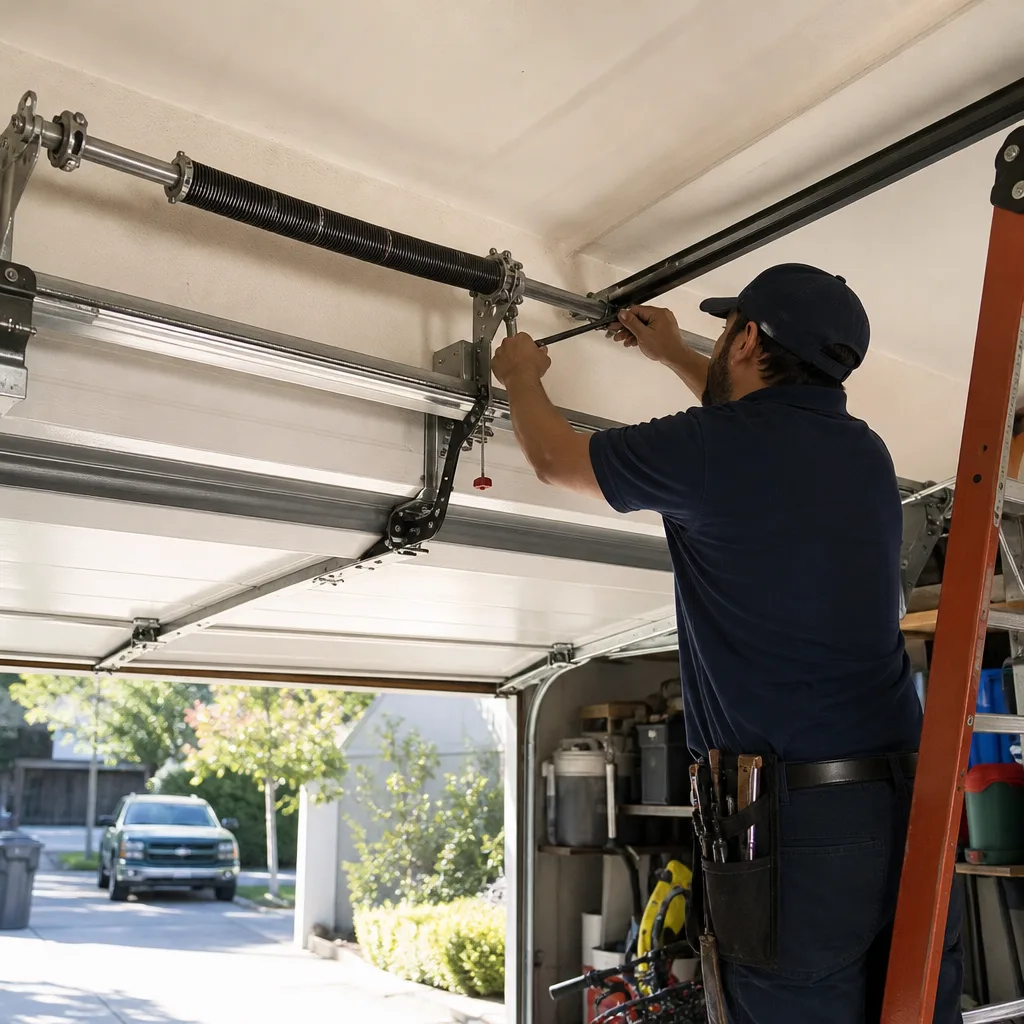
- Torsion spring replacement. No exceptions. A torsion spring under tension stores more than enough energy to break bones, sever fingers, or worse. This is the single most common garage door injury, and the winding and unwinding process requires specialized bars and precise quarter-turn counts. If a spring snaps in the middle of the night, close the door manually, unplug the opener, and call in the morning. Don’t touch it.
- Extension spring and cable replacement. Extension springs run along the horizontal tracks and use cables to lift the door. When a cable snaps, it becomes a steel whip. The tension on these cables is significant, and if they’re not attached to a proper containment bracket, a failure can lash out unpredictably. This includes safety cable installation, which is required by code in California for extension spring systems.
- Track realignment. Bent or misaligned tracks cause the door to bind, jump, or derail. Attempting to bend a track back into shape with a rubber mallet often makes the problem worse, leading to roller damage, cable derailment, or a door that comes off its hinges mid-cycle. Track work requires the door to be supported and the alignment checked at multiple points.
- Opener replacement and hardwiring. Garage door openers involve electrical wiring, motor calibration, and force-sensitivity adjustments. A DIY opener installation can leave you with a door that doesn’t reverse properly when obstructed, which is a safety hazard, and can void the manufacturer’s warranty. LiftMaster and Chamberlain specifically require professional installation for many current models to maintain warranty coverage.
- Full door installation. A residential garage door weighs between 150 and 400 pounds, depending on material. Installation involves precise spring sizing, track alignment, and balance testing. Get it wrong and the door falls. There’s no do-over once a door comes down on a car or a person.
The takeaway isn’t that DIY is always wrong. It’s that the door has clear boundaries. Weatherstripping, sensors, remotes, and lubrication sit on one side. Anything that involves stored energy, structural weight, or electrical connection sits on the other. If you’d like a second opinion on where a specific task falls, our team at Stonewall Garage Door Repair covers the full Pasadena area and can talk you through it.
Why Torsion Springs Are Different
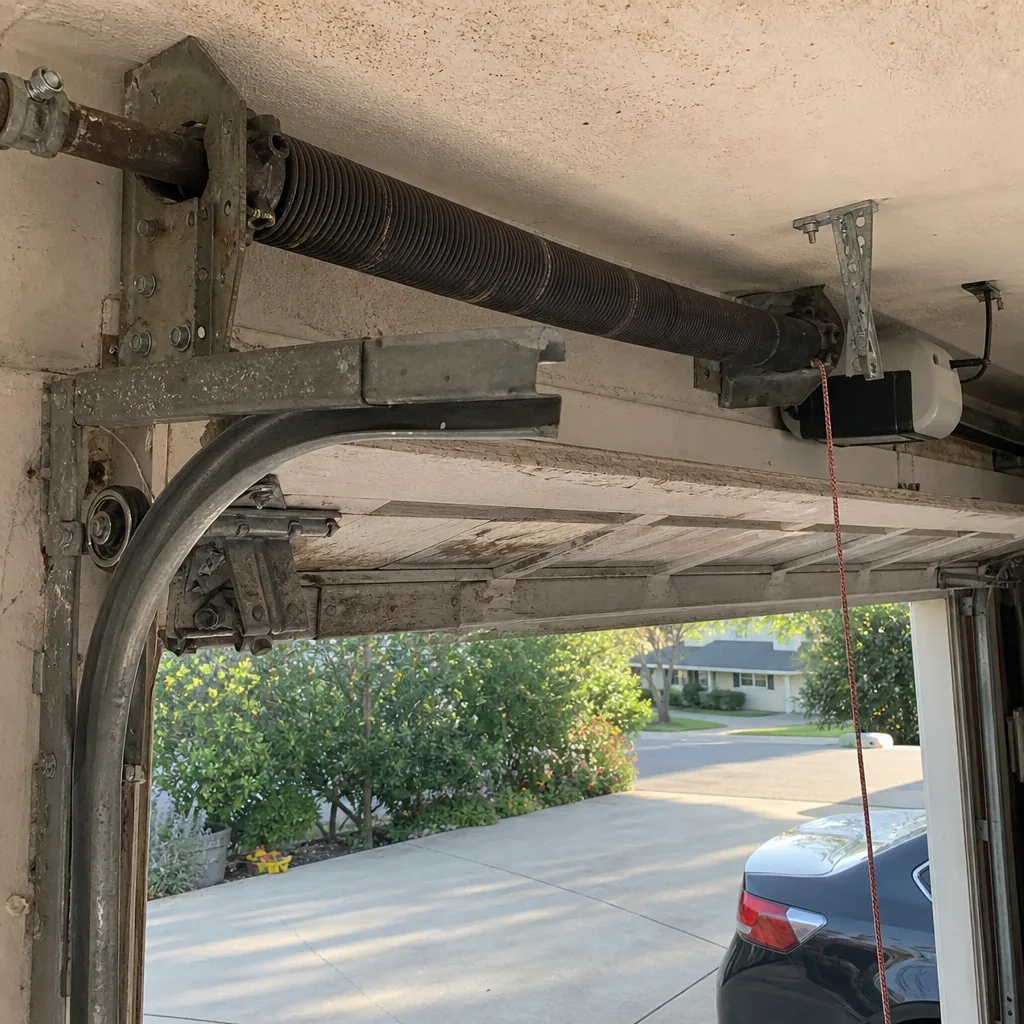
If you take one principle from this guide, make it this: torsion springs are not a DIY component. They’re the one part of a garage door system where a mistake unfolds in milliseconds and produces injuries no first-aid kit addresses. When you see a wound torsion spring above the door opening, you’re looking at a steel coil storing the energy equivalent of a small car. When that energy releases, it does so suddenly and without warning.
The physics are straightforward but unforgiving. A torsion spring is wound to balance the weight of the door, so a 200-pound door requires a spring loaded with approximately 200 pounds of counter-torque. When an unwary homeowner inserts a socket wrench or screwdriver into the winding cone as a substitute for proper winding bars, that tool becomes a projectile. Winding bars are specific diameters of solid steel, not improvised substitutes. The winding process itself requires counting precise quarter-turns, securing the set screws to the correct torque, and verifying the spring delivers the correct lift throughout the door’s travel.
When a spring is undersized or overwound, the door doesn’t just malfunction. It creates uneven load conditions that accelerate wear on the operator, the cables, and the panels. Over time, that adds up to a more expensive repair than the original spring replacement would have been. We have seen doors in Northeast Pasadena where DIY spring work left the door opening halfway and slowly drooping, because the spring rate was wrong and the opener was fighting the imbalance. The fix wasn’t a re-tensioning. It was a new spring, correctly sized, plus a new cable set and a rebalance.
There’s also the practical issue that Pasadena homes have uncommon door configurations. A single-door garage in a converted basement off a hillside street behaves differently than a standard two-car door in a flat-lot development. Spring sizing is based on door weight, height, track radius, and drum type. A universal replacement spring from a home center almost never matches the door exactly, and close enough isn’t good enough for something holding hundreds of pounds over your car. This is exactly the kind of work where a professional’s judgment matters, and why we’ve made spring replacement something our team approaches with a consistent, measured process rather than guesswork.
California Code, Permits, and DIY Installation
Pasadena sits in Los Angeles County, and that means your garage door installation is subject to California building code and local permitting requirements. The piece most homeowners miss is that a garage door replacement isn’t just a furniture swap, it’s a structural modification in the eyes of the code. Section 301 of the California Residential Code requires that garage doors resist wind loads and installed components meet accepted engineering standards. When a door is installed without a permit and an inspection, the homeowner owns the liability if the door fails during a wind event or earthquake.
The invisible cost shows up during resale. When you sell a Pasadena home, the disclosure process asks about unpermitted alterations and additions. An unpermitted garage door installation, particularly one involving new structural supports or opener reinforcement brackets, can complicate escrow. Buyers have walked away from homes over unpermitted work, and garage door installations are a common example because they’re done by homeowners who assume no permit applies. For openers, the California Electrical Code regulates the wiring. An opener installation that isn’t to code can fail a home inspection and delay a sale.
There’s also the insurance angle. Most homeowner policies in California exclude damage caused by improper installation or DIY work that wasn’t performed by a licensed contractor. If an improperly installed door falls on a vehicle, or a spring fails and injures someone, the insurance company investigates how the door was installed. If the answer is “by the previous owner with a YouTube tutorial,” the claim may be denied. That’s not a scare tactic; it’s standard language in policies issued across Los Angeles County.
Permitting in Pasadena is handled by the city’s Building and Safety Division, which issues permits for garage door replacement when the work involves structural supports, wind-load upgrades, or opener installation where new circuits are run. A reputable installation company will know which Pasadena addresses require which permits and will pull them as part of the job. If a contractor tells you “we don’t need a permit for this,” ask them to put that in writing on their letterhead. The pause is usually clarifying. If you’re weighing a full door replacement, our Garage Door Installation in Pasadena page walks through what a code-compliant install looks like, including wind-load considerations specific to the San Gabriel Valley.
The Hidden Cost of DIY Failures in Pasadena
Every DIY garage door project has two potential price tags: the one you pay if it works, and the one you pay if it doesn’t. The second number is the one that doesn’t appear in tutorial videos. It includes not just replacement parts, but the labor of undoing whatever went wrong, the additional damage caused by the initial mistake, and in some cases, the cost of an emergency call because the door is now stuck in a half-open position that invites anyone on the street into your garage.
The most common failure pattern we see across Pasadena goes like this: a homeowner replaces a broken extension spring with a spring that’s close in length but not exact. The door seems to work for a few weeks. Then the opener begins straining, the motor heats up, and eventually the logic board fails from running against excessive resistance. Now the homeowner is buying a new opener on top of the original spring problem. The $40 spring became a $600 opener replacement, and that’s before the labor to correct the door balance. The right fix, not the fast fix, would have been a correctly sized spring installed by someone who does this daily.
Another recurring issue involves track adjustments. A door that binds slightly gets loosened at the track brackets with a socket wrench. The homeowner tightens things back up, but the track is now slightly out of parallel. The rollers begin wearing unevenly. A roller fails, the door tilts in the track, and the cable jumps off the drum. At this point the door is wedged and won’t move. The repair involves removing the door from the track, replacing the damaged roller, re-setting the cable, and re-aligning the track. None of that would have happened with a proper realignment in the beginning.
And there’s the warranty problem. Most opener manufacturers, including LiftMaster and Chamberlain, void warranty coverage on units that have been installed or modified by someone other than a licensed professional. For smart openers with myQ connectivity or Genie’s Aladdin Connect, that’s a bigger risk than it used to be, because these units have circuit boards and firmware that don’t respond well to wiring mistakes. One crossed connection during a DIY opener swap means no warranty on a $300-plus unit. That’s the quiet cost no tutorial’s comments section mentions. If you’ve already started a repair and it’s gone sideways, our Garage Door Opener Repair in Pasadena team specializes in diagnosing exactly these situations.
Why Brand Fluency Changes the Repair Math
One of the most overlooked factors in the DIY vs. professional decision is brand familiarity. If you’ve worked on a Craftsman opener from 2005, you know how that Craftsman behaves. But the moment you face a Raynor door with an unfamiliar spring configuration, or a LiftMaster opener with a circuit board revision that behaves differently than the video you watched, you’re troubleshooting blind. That’s the difference between knowing one door and knowing how doors from different manufacturers actually differ.
We work on the brand already installed in your garage, and we’ve developed working knowledge across eight of the most installed manufacturers: LiftMaster, Chamberlain, Genie, Clopay, Amarr, Wayne Dalton, Craftsman, and Raynor. That matters in Pasadena because the housing stock is so varied. A 1950s ranch in San Rafael might have a rare Wayne Dalton setup with a specific torsion tube diameter. A newer build in the Arroyo might have a Chamberlain belt-drive opener with myQ integration. The diagnostic questions are different for each, and the fix that holds is different too. When a technician has to look up basic information about a brand they’ve never touched, the chances of a misdiagnosis climb.
For a DIY-minded homeowner, brand fluency is useful even if you never pick up a wrench. Knowing that your Raynor door uses a specific spring winding direction, or that Genie openers have particular force-sensitivity calibration steps, helps you evaluate whether a technician actually knows what they’re looking at. A real opener specialist will talk about your specific model by name, not “the opener.” If you’re calling around for a diagnosis on a Genie or LiftMaster unit and the person on the phone can’t ask intelligent questions about it, that’s a signal to keep looking. Our team has made opener repair one of our three core service pillars specifically because openers have become the most technically complex component in the system, and they demand more than a quick motor swap.
How to Work With a Professional (Without Getting Burned)
The professional route isn’t about handing over a blank check. The best outcomes happen when a homeowner is an active, informed participant in the repair. We don’t want you to be dependent on us for the same issue in six months. We want to fix the root cause, explain what we found, and leave you with enough understanding to spot early warning signs. Here’s what to observe, document, and ask when a technician is at your home.
Step-by-Step: Getting the Most From a Service Call
- Document the symptom precisely. Before the technician arrives, write down exactly what happens when the door misbehaves. Does it start to open and then stop? Does it reverse immediately? Does it make a specific sound? Three specific observations are worth more than “it’s broken.” This saves diagnostic time.
- Ask for a component-level diagnosis. A professional should tell you which part failed and why. Not “you need a new door” but “your left torsion spring has lost tension because of metal fatigue, and the right spring is now carrying the load.” If the explanation is vague, ask for more specificity.
- Get the parts list and brand names. Ask what parts will be installed and who manufactured them. For springs, ask whether they’re being sized to the door’s weight and height. For openers, ask about warranty coverage and whether the model matches your existing smart-home setup.
- Confirm the fixing includes post-repair testing. A proper repair isn’t done when the door closes. It’s done after balance tests, force tests, reversal tests, and a full cycle count. If a technician skips testing, the repair isn’t finished.
- Ask about prevention. A good professional will tell you what needs attention before it becomes an emergency. That might be rollers approaching end of life, a spring with visible wear, or an opener that’s underpowered for the door. Write it down. Don’t rely on memory.
This process protects you from the two types of bad outcomes: a technician who rushes through a repair without diagnosing properly, and a technician who recommends unnecessary work because it’s easier than explaining a minor issue. If you’ve had a frustrating experience before, Stonewall Garage Door Repair approaches every call with the goal of leaving you clear on what happened and why.
Common Mistakes to Avoid
- Using the wrong tool for spring work. Inserting a screwdriver or socket wrench into a winding cone instead of proper winding bars. The tool slips or the cone releases, and the result is a projectile that can cause serious injury. There is no acceptable substitute for real winding bars.
- Assuming all garage door openers are interchangeable. A Chamberlain opener doesn’t drop into a LiftMaster rail system, and force settings that work for a lightweight aluminum door will crush a heavy wood door. Brand-specific compatibility matters more now than it did fifteen years ago.
- Ignoring the sensors instead of realigning them. Bypassing photo-eye sensors by taping them together or rewiring the opener to ignore their signal. In California, operating a door with defeated safety sensors is a code violation and, more importantly, a real risk to kids, pets, and anyone in the door’s path.
- Lubricating the track. Greasing the metal track where the rollers travel. That attracts dust and creates a grinding paste that accelerates roller wear. The track should stay dry, and the lubrication belongs on hinges, rollers, and bearings.
- Painting over weatherstripping or sensor lenses. A fresh coat of paint on the garage door that covers the rubber seal or the sensor eye. Painted sensors stop working, and painted weatherstripping becomes brittle and cracks. Mask these areas before painting.
- Replacing a spring without replacing the cable set. When a spring fails, the cables have usually taken unusual stress. Reusing old cables with new springs often means a cable failure six months later. It’s cheaper to do both at once.
- Skipping the Pasadena permit question entirely. Assuming a garage door replacement never needs a permit. In Pasadena, it depends on the scope, and the safest way to know is to ask the installer directly. A professional who dismisses the question out of hand isn’t doing you a favor.
When to Call a Professional
Call a professional the moment the job involves a torsion spring, an extension spring under tension, a snapped cable, a door off its track, or any electrical work on an opener. These are not situations where patience and elbow grease prevail. They’re situations where specialized tools and trained hands are the difference between a fixed door and a hospital visit. In Pasadena specifically, older homes with non-standard door sizes and detached garages with less temperature control create conditions where doors wear unevenly, and the failure modes are harder to predict. If your garage door makes a sound like a firecracker (that’s a spring letting go), stop using the door immediately and call. Stonewall Garage Door Repair offers free estimates across Pasadena, and we’ll tell you honestly whether a job is within reach or should be left to someone who does this every day. Call (855) 740-8388 and describe your specific issue; we’ll give you a straight answer either way.
Frequently Asked Questions
You should not attempt to replace a torsion spring yourself, period. The stored energy in a wound torsion spring will cause severe injury or death if it releases while you’re working, and proper replacement requires winding bars and exact quarter-turn counts. Extension springs are also under high tension and can lash out if cables snap. This is the one garage door component where DIY fails the risk-benefit test for every level of homeowner, and it’s where we see the most harm from well-intentioned tutorials. Call (855) 740-8388 for an exact diagnosis and a firm quote before any work begins.
Pasadena’s Building and Safety Division requires permits for certain garage door installations, particularly when structural modifications or opener wiring is involved. The requirement depends on scope, but when it applies, skipping it creates resale disclosure issues and potential insurance complications. A professional installer can tell you quickly whether your specific project needs a permit and handle the paperwork as part of the job.
Garage door spring replacement in Pasadena typically runs between $200 and $400 for a standard single torsion spring, with double-spring setups and non-standard door sizes running higher. The price depends on the door’s weight, the spring’s size, and whether cables or bearings need attention at the same time. We quote the full price before we start, and that’s the price you pay, no surprise additions at the end of the job.
A humming opener that doesn’t move the door usually means a stripped gear, a broken capacitor, or a door that’s too heavy for the opener to lift, often because a spring has failed and the opener is now trying to lift the full door weight alone. A stripped gear on a LiftMaster or Chamberlain unit is replaceable, but if a spring failure caused the gear to strip, you’ll need both fixed. Unplug the opener and call for a diagnosis rather than forcing it, because continued attempts damage the motor and circuit board.
In most cases, yes. LiftMaster and Chamberlain, among others, state in their warranty terms that installation or modifications by someone other than a licensed professional can void coverage. This applies to smart opener features like myQ connectivity and to electrical modifications. If your opener is still under warranty, the DIY savings disappear quickly if the unit fails and the manufacturer denies the claim. We inspect warranty status as part of every opener repair so you know exactly where you stand before decisions are made.
Twice a year, lubricate the hinges, rollers, and bearings with white lithium grease, check the weatherstripping for cracks or gaps, and watch the door through a full cycle to catch any changes in speed or sound. In Pasadena’s dry, sunny climate, rubber seals and nylon rollers tend to degrade faster than they would in a coastal environment, so a quick visual inspection every few months will catch wear before it becomes a breakdown. If you notice the door slowing down, grinding, or opening unevenly, that’s the time to call before the small problem becomes a big one.
The Bottom Line
The DIY vs. professional decision isn’t a referendum on your competence. It’s a judgment call about which parts of a garage door expose you to serious consequences and which parts are straightforward enough to handle with basic care. Weatherstripping, sensors, and remotes are manageable for an attentive homeowner. Springs, cables, and openers are not, and the cost of guessing wrong in Pasadena includes real risk of injury, code violations, voided warranties, and damage to the very equipment you were trying to save money on. When the job crosses the line into tension-loaded or structural territory, a professional diagnosis is the right first step. You can always do the weatherstripping next weekend. You can’t undo a spring mistake. For full replacement projects, our Pasadena installation team provides a free measure and written estimate, so call (855) 740-8388 to start with a clear understanding of scope and cost.
Written by the team at Stonewall Garage Door Repair, serving Pasadena since 2013.
See the difference
 Before
 After
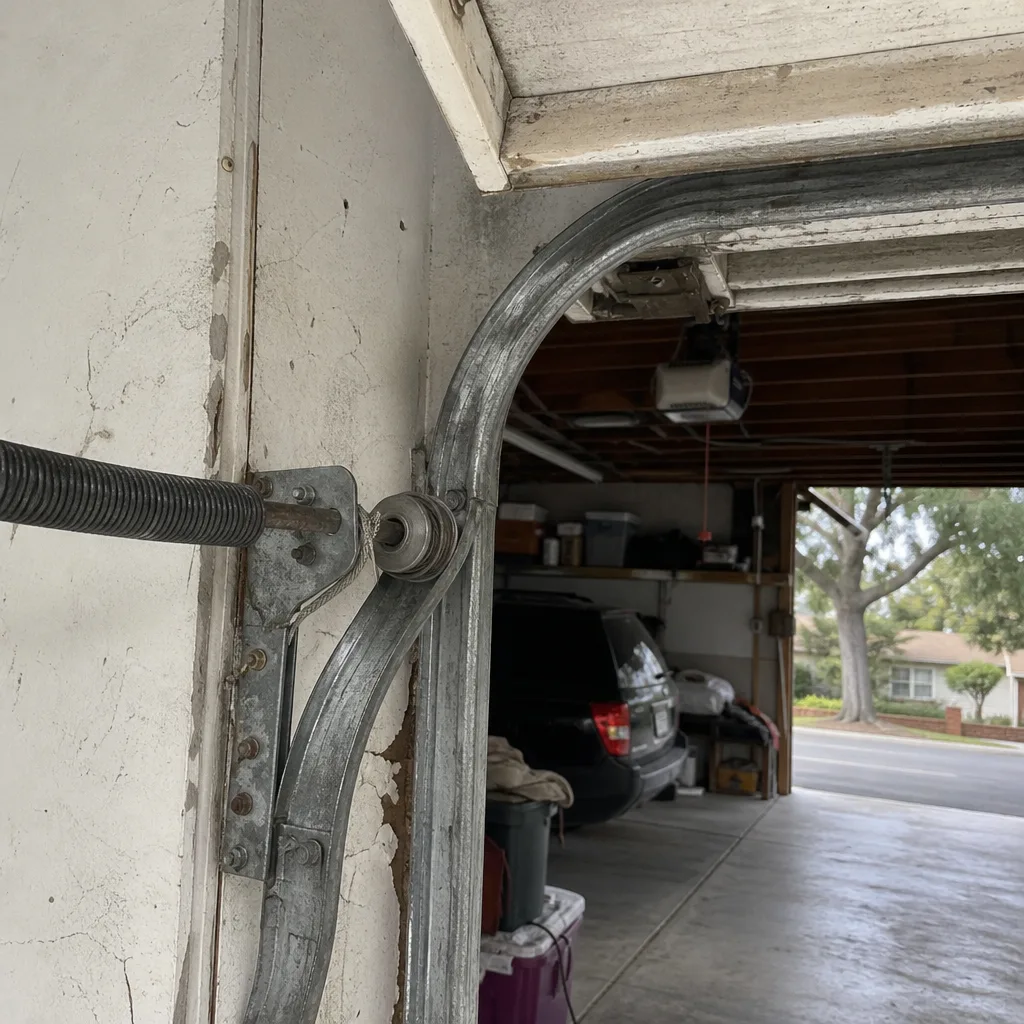 Before
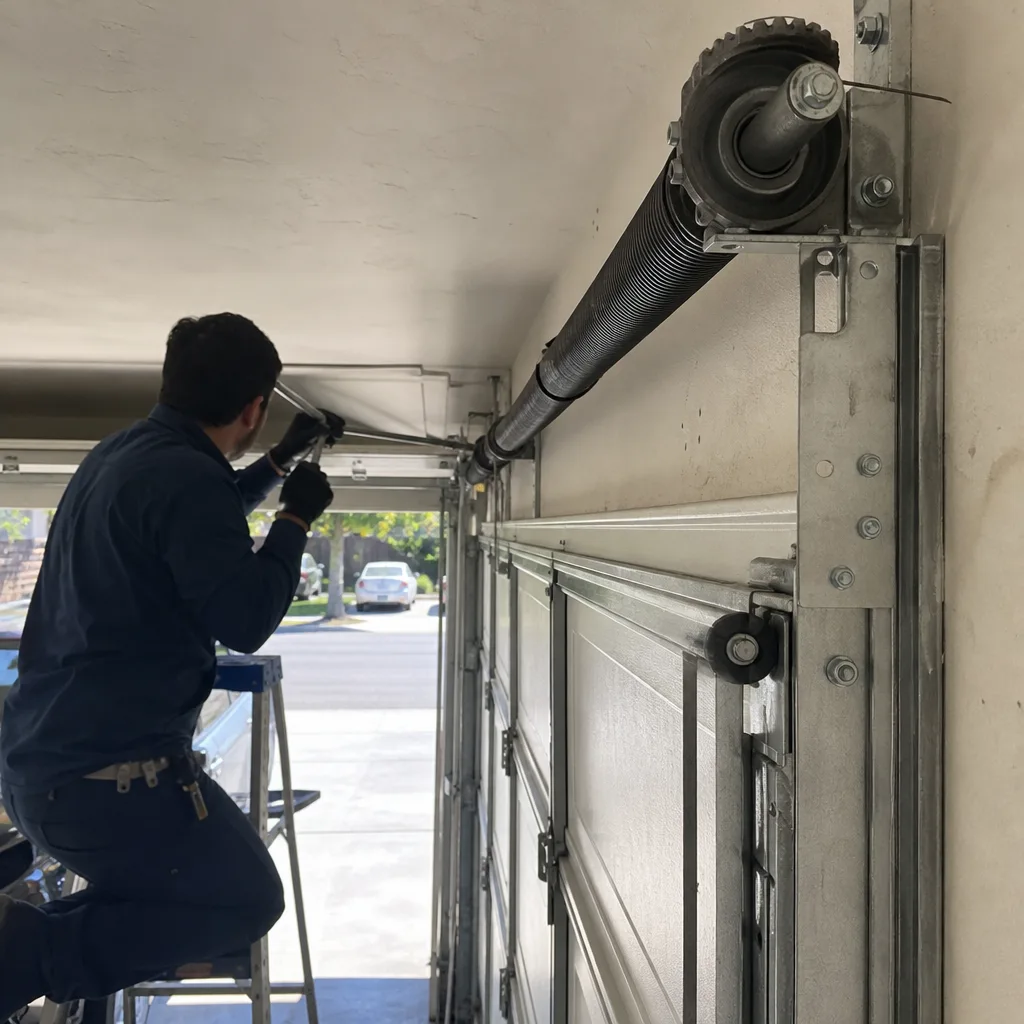 After
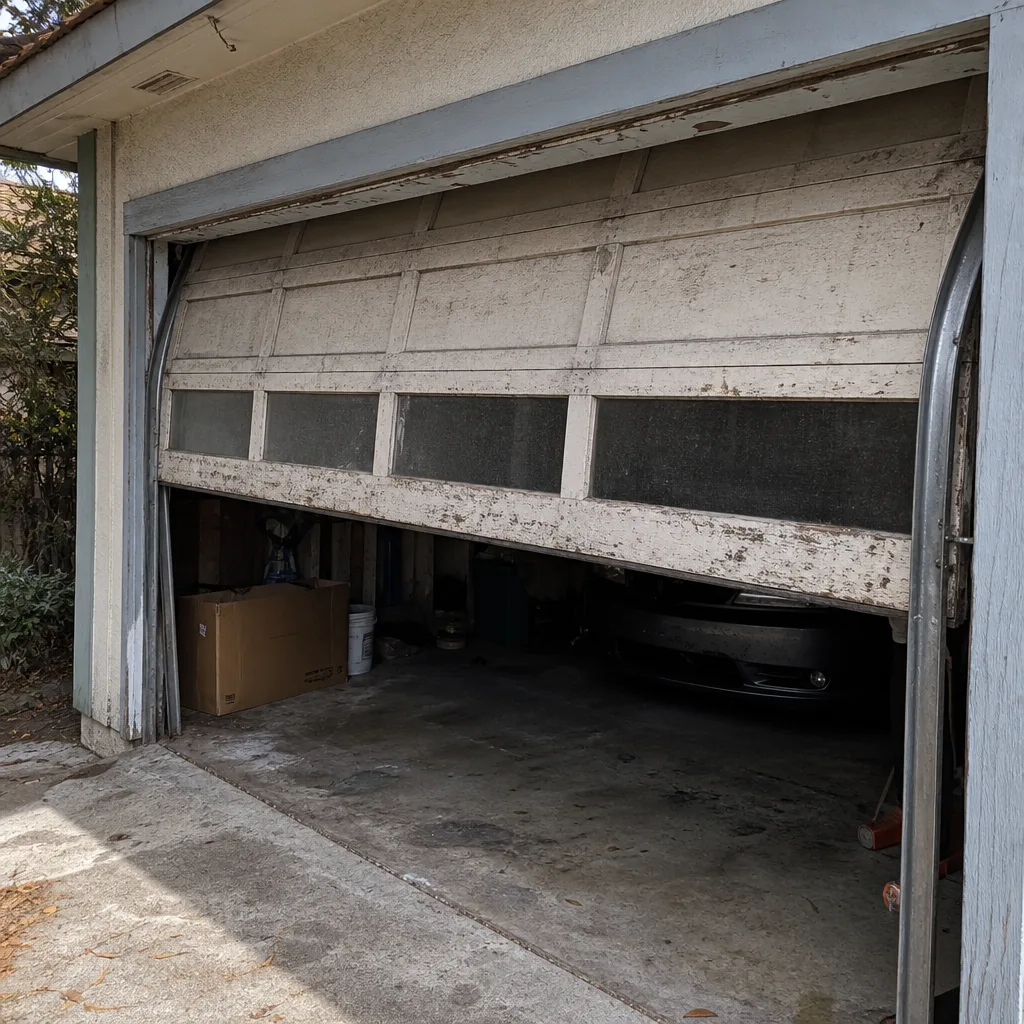 Before
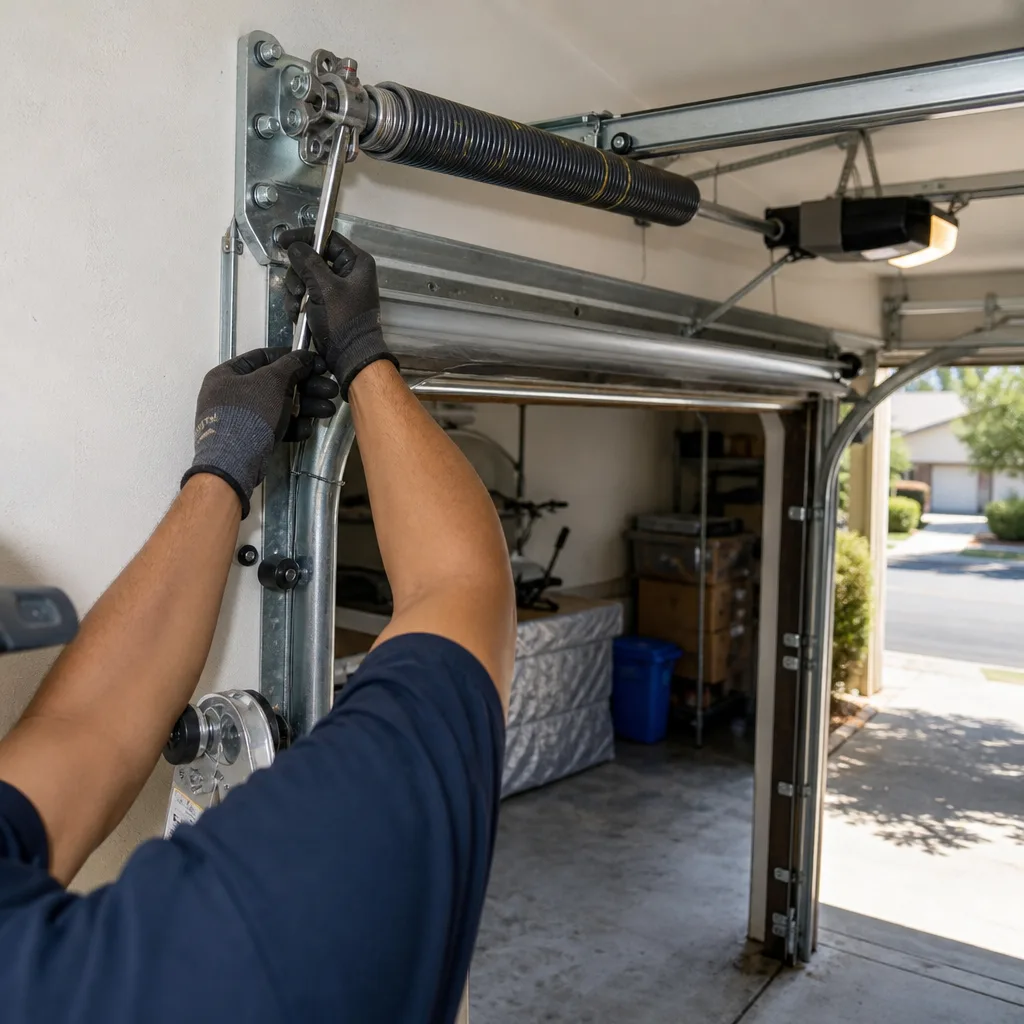 After