

Last updated October 31, 2026
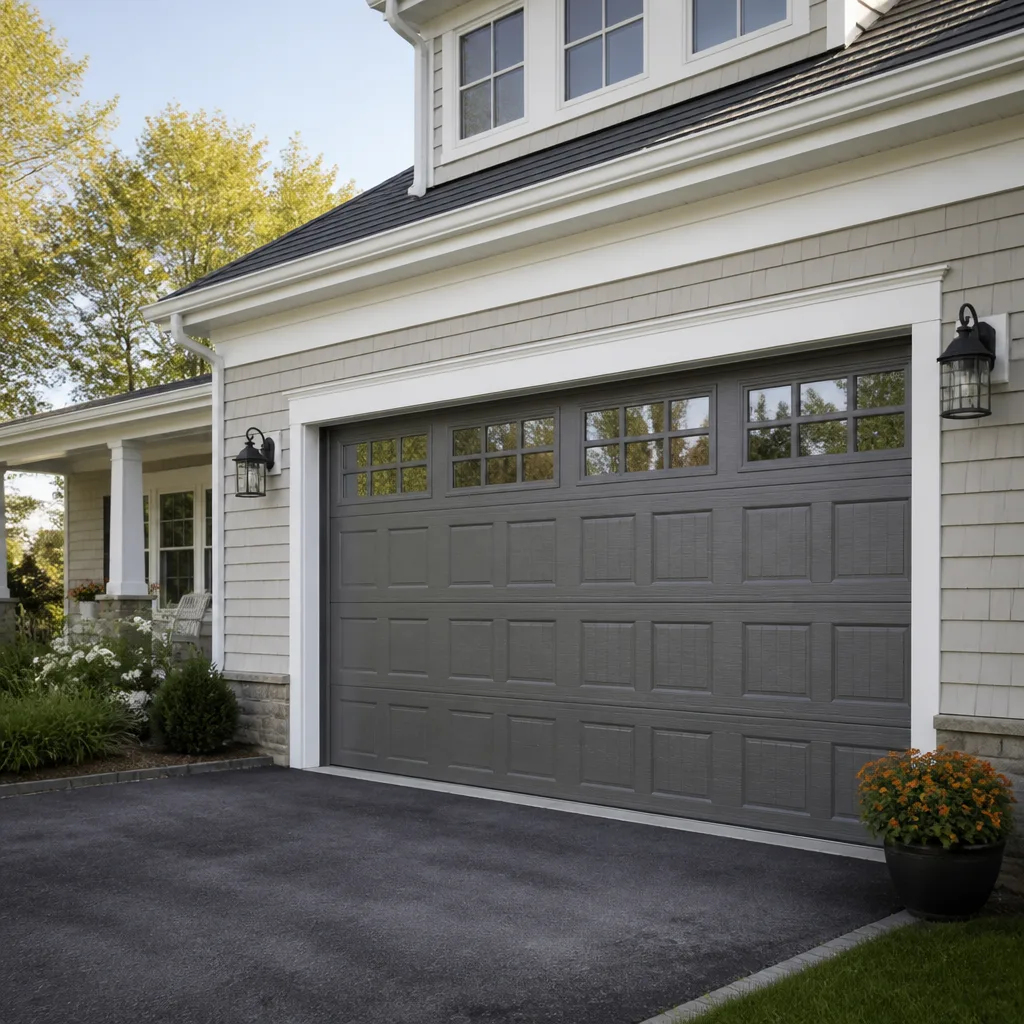
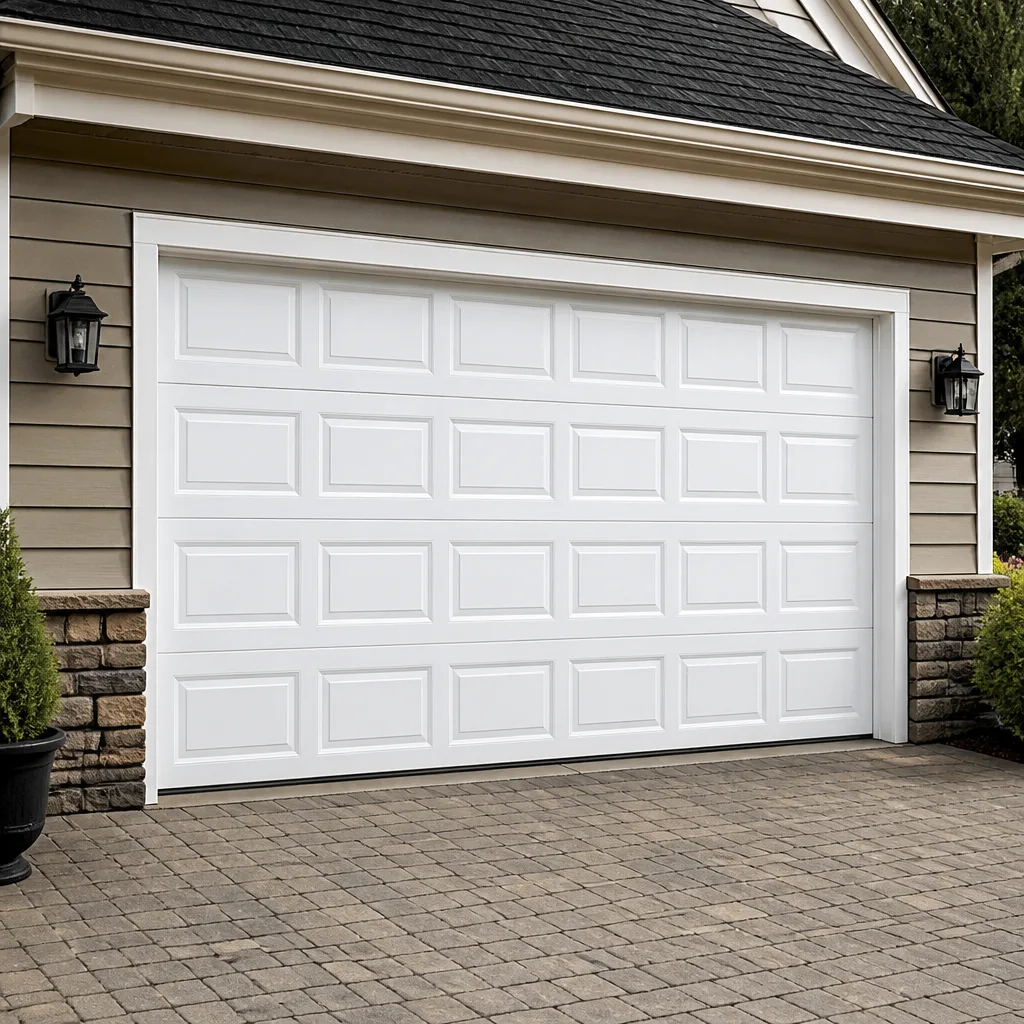 Raised-panel steel
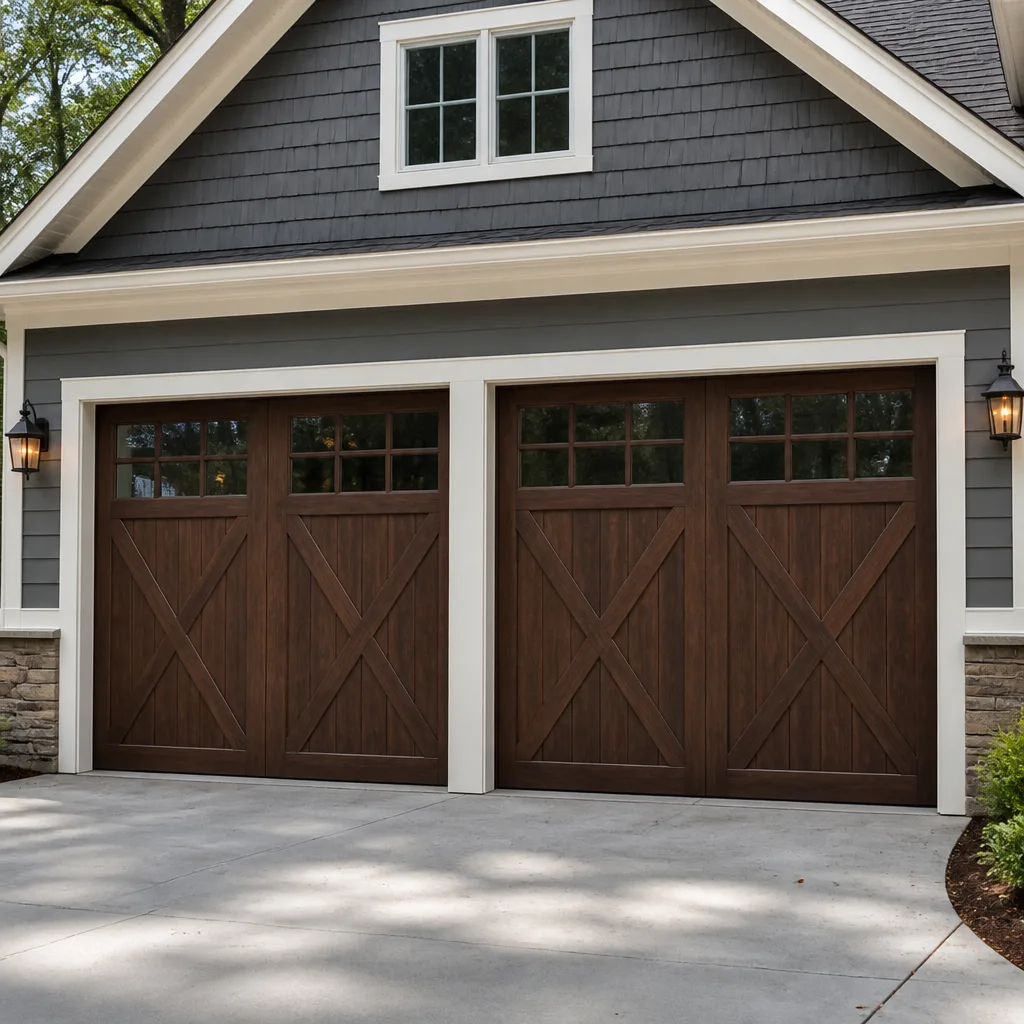 Carriage house
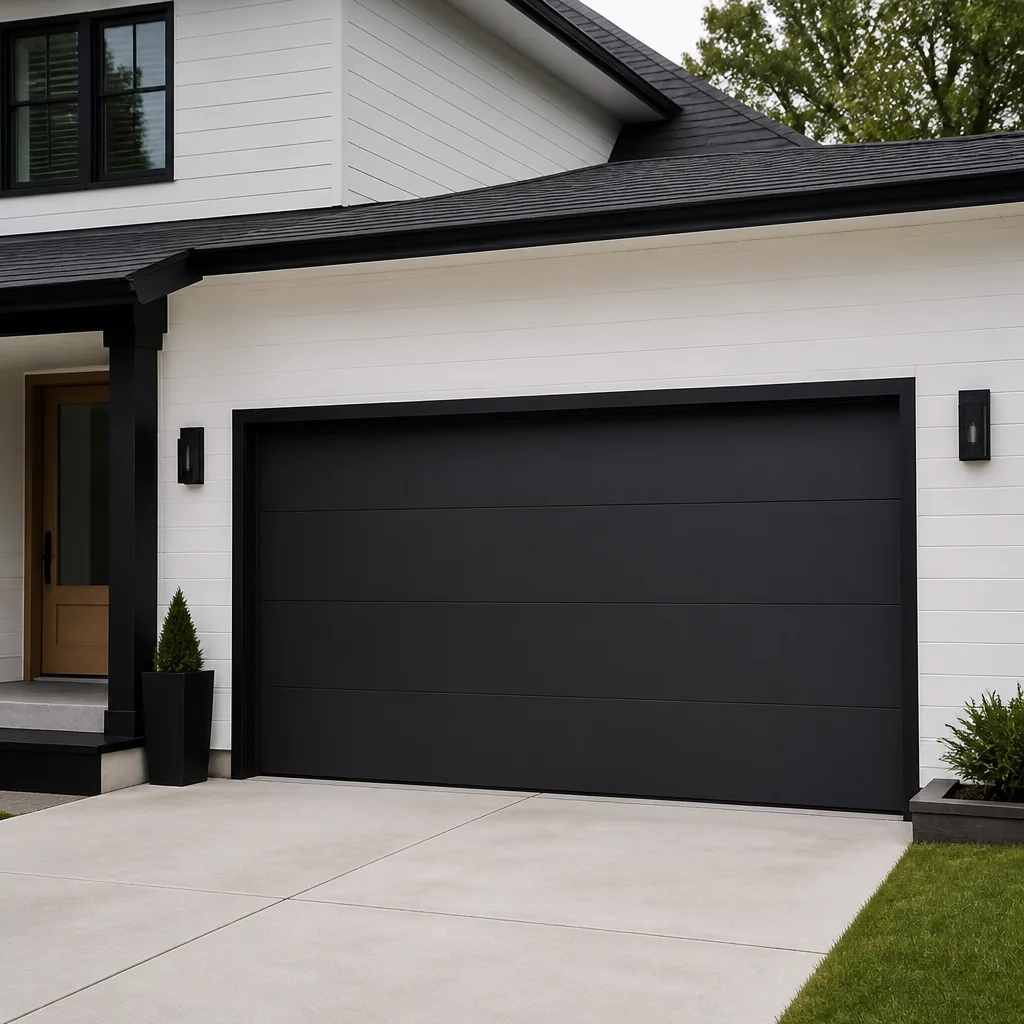 Modern flush
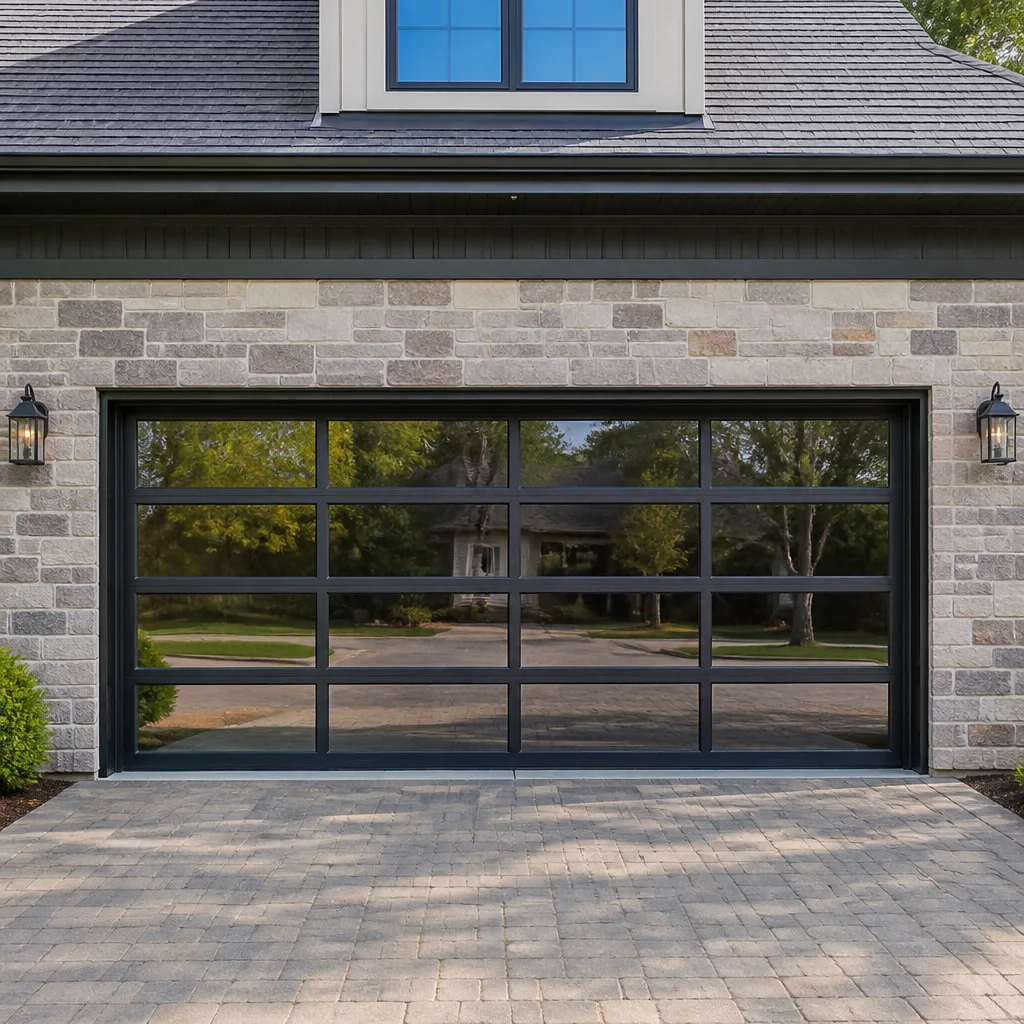 Full-view glass
 LiftMaster openers
 Chamberlain openers
Full 25-point door and opener safety check with every visit - springs, cables, rollers, tracks, and your LiftMaster or Chamberlain opener included
You get a price before we start. It does not change when the truck arrives.
Get your free estimateHow to Hire a Garage Door Contractor in Pasadena: A Step-by-Step Guide
The most common contractor complaint Pasadena homeowners file with the California Contractors State License Board isn’t fraud. It’s a company that shows up, spends ten minutes looking at the door, declares it unrepairable, and pushes a full replacement for a problem that needed a $90 part. Sometimes it’s a spring. Sometimes it’s a limit switch on an opener. The homeowner doesn’t know the difference, and that knowledge gap is exactly what gets monetized against them. This guide closes that gap. You’ll learn how to verify licenses in under two minutes, what questions separate real multi-brand specialists from one-trick installers, how to read an estimate line by line, and which red flags should end a conversation before it starts. If your garage door is currently broken and you’re reading this from Pasadena, you’ll also learn when it’s faster to skip the vetting process entirely and call someone who already passes every test below.
Quick Answer
To hire a garage door contractor in Pasadena, you need to verify their California contractor license through the CSLB portal, confirm they service your specific door and opener brands, get a written estimate with itemized line items, and ask pointed questions about their diagnosis process before work begins. Skip companies that quote a full replacement without showing you the broken part. Call (855) 740-8388 for a free estimate from a team that works on eight major brands without pushing you toward what they stock.
Styles & brands we work with
Table of Contents
- Step 1: Verify the California Contractor License (Before Anything Else)
- Step 2: Ask the Brand Questions That Expose Guesswork
- Step 3: How to Read a Written Estimate Like an Auditor
- Step 4: Why Same-Day Service Promises Can Signal a Problem
- Step 5: Manufacturer-Authorized vs. Multi-Brand Independent: What Actually Matters
- Step 6: Insurance, Warranty, and the Gray Areas of Coverage
- Step 7: The 10-Question Contractor Interview Checklist
Step 1: Verify the California Contractor License (Before Anything Else)
Anyone doing garage door work in California for projects exceeding $500 in combined labor and materials must hold a contractor license issued by the CSLB. That threshold exists for a reason: it’s low enough that almost every garage door repair, installation, or opener replacement legally requires a licensed contractor. In Pasadena, this isn’t a technicality. Unlicensed operators are common, and they don’t carry the bonding, workers’ compensation, or accountability that a licensed shop does.
The CSLB makes verification easy. Go to the CSLB’s license lookup page and search by company name, license number, or the individual’s name. You’ll see the license status, issue date, expiration date, and any disciplinary actions. The whole process takes under two minutes.
Now here’s what most hiring guides never tell you: the license class matters. Garage door contractors in California typically operate under one of three classifications:
- C-61 / D-28 (Door and Gate Specialty): The classification specifically for door installation, repair, and maintenance. This is the one you want to see for garage door work.
- D-6 (Cabinet, Millwork, and Finish Carpentry): Occasionally used by companies that started in woodworking and expanded into wood carriage doors. Legitimate for certain installation work, but doesn’t cover electrical components like openers.
- B (General Building): Some multi-trade contractors hold a B license that covers garage door installation alongside other work. Legal, but doesn’t signal specialization.
When you verify the license, also check the bond status. A canceled bond means the license is suspended, even if the CSLB page hasn’t updated visibly. We’ve seen Pasadena homeowners hire a contractor who was licensed on paper but whose bond had lapsed six weeks earlier. That lapse meant if the work damaged the door or the technician was injured on the property, there was no financial backstop. Ask the contractor to confirm their bond is active, or call the bonding company directly. A real specialist answers that question without hesitation.
Step 2: Ask the Brand Questions That Expose Guesswork
Garage doors and openers aren’t interchangeable, and the differences between brands are not cosmetic. A Wayne Dalton torque-master spring system and a standard torsion spring setup, for instance, require different disassembly approaches and different tools. A Craftsman opener built in 1999 reacts differently to diagnostic sequences than a Chamberlain unit from 2019. When a technician has to guess, the guess usually costs you money in the form of swapped parts that weren’t the actual failure point.
Here are the questions that separate a multi-brand specialist from a company that works on what it stocks:
- “Do you work on the brand of door and opener already on my garage?” If the answer is anything resembling “we can take a look” rather than a direct yes with the brand name repeated back, be wary. A company that only installs one door line will often find reasons why your existing door is “not worth fixing.”
- “What’s the most common failure you see on [your brand] doors?” A technician who has serviced that brand repeatedly answers immediately. A technician who hasn’t will give a generic response about springs or cables. Generic answers mean generic experience.
- “Do you carry parts for [your brand] in your vehicle, or do you need to order them?” This matters for repair speed, but also for intent. A company with no Clopay or Amarr parts in the truck has an incentive to declare your door unrepairable and steer you toward a new one.
- “If the opener needs work, do you handle the electrical components or sub that out?” Garage door openers involve low-voltage wiring, logic boards, safety sensors, and in newer units, Wi-Fi pairing. A contractor who subs out opener work is not an opener specialist.
Our approach at Stonewall Garage Door Repair is simple: we work on the brand already on your garage. Our technicians are factory-familiar with LiftMaster, Chamberlain, Genie, Clopay, Amarr, Wayne Dalton, Craftsman, and Raynor. When a Pasadena homeowner with an old Amarr door and a Genie opener calls us, we know the failure patterns before we arrive. That’s the difference between diagnosis and guesswork.
If you’d rather hand this entire process to someone who passes every question above, our Garage Door Repair in Pasadena page details how our diagnostic process works, start to finish.
Step 3: How to Read a Written Estimate Like an Auditor
A written estimate is either a transparency document or a tool for obscuring upsell. The difference becomes obvious when you know which line items should always appear and which vague charges signal that a company is padding its quote before you’ve even agreed to the work.
Line items that should always appear on a legitimate garage door estimate:
- Parts with exact names and quantities: “Torsion spring, .250 wire, 2 count” tells you exactly what will be installed. “Spring replacement – materials” does not.
- Labor separated from materials: This isn’t just accounting. Separated labor lets you compare apples to apples when another contractor quotes the same repair.
- Disposal fee (if applicable): Doors, springs, openers, and rails are heavy. Disposal costs real money. A company that buries disposal in “miscellaneous charges” is hiding a markup.
- Timeframe: When the work starts, how long it takes, and when the final payment is due.
- Warranty terms in writing: Parts warranty, labor warranty, and what voids each one.
Red flags in written estimates:
- “Miscellaneous” or “shop supplies” without a dollar cap: This is a catch-all for padding.
- “Complete door service” as a line item: What does complete mean? Springs? Cables? Rollers? Track? All of the above? That ambiguity is an invitation for scope creep.
- A single lump-sum number with no breakdown: Unless it’s a fixed-rate installation package you agreed to in advance, a single number hides margin.
- Charges for parts that should already be included: If an opener installation quote lists “safety sensor included” as a premium feature, run. Safety sensors have been mandatory since 1993.
Our policy at Stonewall is straightforward: the price is quoted and agreed before any work starts. No surprises, no changed numbers after we’ve begun. If a repair estimate changes during the job because we found something unexpected, we show you the part, explain the reason, and get your go-ahead before continuing. That’s not a nicety, it’s the bare minimum of professional work in Pasadena, and you should treat any contractor unwilling to do the same as a two-alarm fire.
Step 4: Why Same-Day Service Promises Can Signal a Problem
Speed is often framed as a virtue in garage door repair. It isn’t always. A company that promises same-day service for every problem may be efficient, or it may be cutting corners on diagnosis. Here’s how to tell the difference.
Legitimate speed is a logistics advantage: the company stocks parts across multiple trucks, staffs enough technicians to handle overflow, and schedules appointments in Pasadena without overbooking. We’ve seen legitimate same-day repair done well when a homeowner calls at 8:00 AM and the technician arrives by noon with the right spring in the truck.
Illegitimate speed is a sales tactic: the company gets a technician out fast, spends 15 minutes on the job, declares the door a lost cause, and pivots to a replacement pitch. The speed was never about repairing your door. It was about getting a salesperson in front of you before a competitor could arrive and give you an honest diagnosis. In Pasadena, this pattern is common enough that we see it several times a month from homeowners telling us what the last guy said.
Here’s what to listen for:
- A technician who doesn’t remove the end bearing plate before declaring a spring “shot”: Springs fail, but you can’t assess the full damage without opening the assembly.
- A replacement recommendation without a demonstrated attempt to isolate the actual failure: If the door won’t open and the technician can’t show you precisely which component failed, don’t authorize a full replacement.
- A “today only” discount on a new door: Pressure pricing is a red flag in any trade. In garage door work, it signals margin, not urgency.
We tell Pasadena homeowners this: if a company can show you the broken part, explain what caused it, and tell you why repair versus replacement makes sense in your specific case, trust that company whether they arrive in two hours or two days. The right fix is better than the fast fix. That’s not a slogan. That’s the standard.
Step 5: Manufacturer-Authorized vs. Multi-Brand Independent: What Actually Matters
This is the question most hiring guides gloss over because the answer is nuanced, and nuance doesn’t fit a bullet list neatly. But it matters for warranty coverage and for who you’re actually hiring.
Manufacturer-authorized installers have a direct relationship with one brand, often Clopay or Amarr. That relationship gives them access to factory training, priority parts ordering, and in some cases, extended installation warranties offered by the manufacturer. The limitation is obvious: they specialize in one brand and may not touch your existing door if it’s from a competitor. If you’re planning a full replacement with a specific door line, an authorized installer delivers real value.
Multi-brand independents service and install across multiple manufacturers without an exclusive arrangement. The value here is independence: no incentive to steer you toward one brand over another because there’s no factory relationship. We at Stonewall fit this category. Our technicians are factory-familiar with eight of the most-installed brands including Clopay, Amarr, Wayne Dalton, and Craftsman, which means we recommend based on your garage, your budget, and your use case, not on which manufacturer gives us the best margin.
Now, the warranty question:
- Manufacturer warranty on the door or opener itself: This follows the product, not the installer. Any legitimate contractor installs the same unit with the same manufacturer warranty, authorized or not.
- Labor warranty: This is what separates a good contractor from a mediocre one. A labor warranty means the installation itself is covered. If the door was installed properly and a part fails anyway, the manufacturer covers the part, but the labor to remove and reinstall falls on the homeowner unless the contractor provides their own labor warranty.
- Extended installation warranties: Some authorized installers can offer extra years of combined coverage through the manufacturer. Ask directly if this applies and get it in writing.
The bottom line: if you’re replacing a full door and have a strong brand preference, consider an authorized installer for that brand. If you’re repairing an existing door, dealing with an opener issue, or want a recommendation that isn’t colored by a factory relationship, a multi-brand independent is the stronger choice. If you’re not sure which path fits your situation, our Garage Door Installation in Pasadena page walks through replacement scenarios in detail.
Step 6: Insurance, Warranty, and the Gray Areas of Coverage
Most Pasadena homeowners assume that because a contractor has a license, everything is covered. That assumption causes problems later. Here’s what you actually need to verify, and what happens when you don’t.
Insurance coverage: A licensed contractor should carry general liability insurance. Ask for proof. Don’t accept “we’re insured” verbally. A certificate of insurance names the insured business, the policy period, and the coverage limits. If a company hesitates to provide this, move on. If a technician is injured on your property and the contractor lacks workers’ compensation coverage, the homeowner can be held liable. That’s a lawsuit-sized risk you don’t want to take.
Warranty specifics: Garage door work has three warranty layers.
- Manufacturer’s parts warranty: Covers defective components from the factory. Periods vary by brand and part. Springs often have shorter coverage than door panels or openers.
- Contractor labor warranty: Covers the installation work itself. A one-year labor warranty is common. Ask what it includes and what voids it, in writing.
- Equipment warranty extension: Some contractors extend coverage beyond the factory warranty for specific parts, often springs. This is a differentiator worth asking about.
What homeowners commonly misunderstand:
- Warranty doesn’t cover wear: If your door is ten years old and the rollers are worn, that’s wear and tear, not a defect. No legitimate contractor covers regular wear indefinitely.
- Labor isn’t always covered after the first year: The spring might have a five-year factory warranty, but the labor to install a replacement in year three might fall to you unless the contractor’s labor warranty extends as long.
- Improper earlier repairs void coverage: If a previous contractor installed the wrong spring size or a generic gear kit, the manufacturer can void the factory warranty on that component. This is why hiring a specialized team matters from the start.
- Can you verify your California contractor license and bond status right now? The CSLB lookup takes 90 seconds. If they can’t or won’t, they’re not licensed or they’re hiding something.
- What license classification do you hold? Look for C-61 / D-28, the door and gate specialty classification.
- Do you work on my specific door and opener brands? Name your brands. Expect a direct answer. We work on the brand already on your garage, and we say so plainly.
- Do you carry parts for my brand in your vehicle? This reveals both capability and incentive.
- Can you walk me through your diagnosis process before quoting a price? A real technician explains what they’re checking and why. A salesperson doesn’t.
- Will you show me the broken part and explain what caused the failure? If everything needs replacing without a demonstrated cause, you’re being upsold.
- Is the price you quote the price I pay, in writing? If the answer is yes, get it in writing. That’s standard at Stonewall: quoted and agreed before any work starts.
- What’s your labor warranty, and is it in writing? Verbal warranties expire at the door.
- Do you sub out any part of the work? You want one team accountable for the full job, not a subcontractor you’ve never vetted.
- Are you insured, and can you provide a certificate? No certificate, no contract.
We carry general liability insurance, hold a valid California contractor license, and provide written warranties on our work. If you want more detail on how we handle opener-specific repairs, our Garage Door Opener Repair in Pasadena page covers smart system diagnostics and common failure points.
Step 7: The 10-Question Contractor Interview Checklist
For more guides & resources after this checklist, see our blog—here’s the distillation of everything above into a checklist you can use while talking to any garage door contractor in Pasadena. More than two “no” answers or evasions should make you hesitate. More than four, hang up.
Print that list. Use it. It will save you from the most common Pasadena garage door hiring disasters, and it works whether you’re dealing with a broken spring, a dead opener, or a full replacement.
Common Mistakes to Avoid
- Hiring based on Yelp star count alone. Star counts can be bought, and a 4.8 with 40 reviews tells you less than a 4.5 with 400 across multiple platforms. Look at the distribution, the dates, and what reviewers actually describe in the text.
- Accepting the lowest quote without comparing line items. In Pasadena, a quote 40% below the next lowest is almost never a better company. It’s a narrower scope, cheaper parts, or a rebate for your repeat business later when the part fails.
- Skipping the CSLB verification because “the company has a nice website.” Websites are cheap. Licenses and bonds are not.
- Authorizing a full replacement over the phone. No legitimate contractor recommends a replacement door without seeing the existing one in person. Phone quotes for replacements are always rough estimates, and sometimes that rough number doubles on site.
- Assuming your homeowners insurance will cover the repair. Most Pasadena homeowners’ policies cover garage door damage from sudden events like a car impact or storm fall, but not wear, spring fatigue, or opener failure. Check your policy before paying out of pocket.
- Ignoring the brand compatibility question because “all doors are the same.” They aren’t. A torque-master system, a standard torsion system, and a Wayne Dalton iDrive opener all require different approaches. One-trick companies fake their way through unfamiliar systems and you pay for it.
- Paying the full amount before the job is finished. A deposit is normal for custom door orders. Full payment before completion isn’t. Standard practice is payment upon satisfactory completion, with any punch-list items resolved first.
See the difference
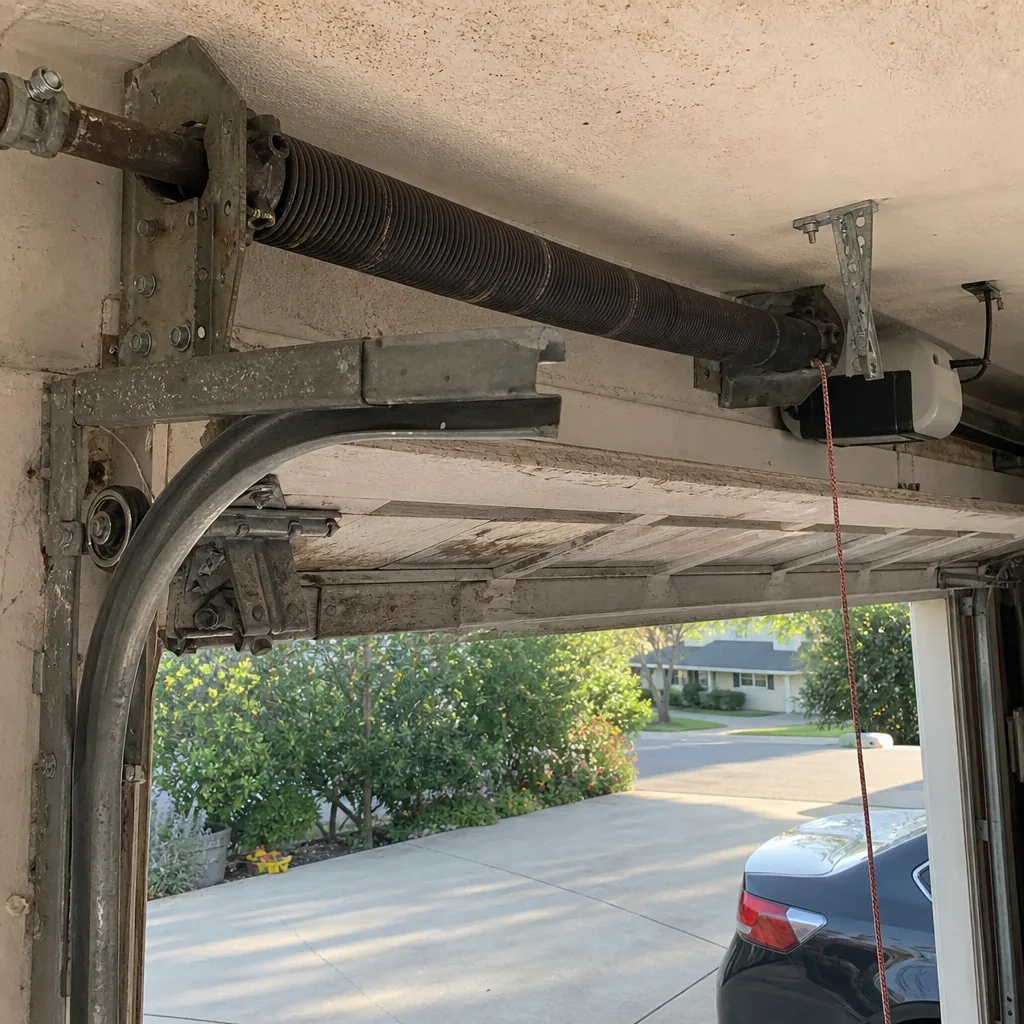 Before
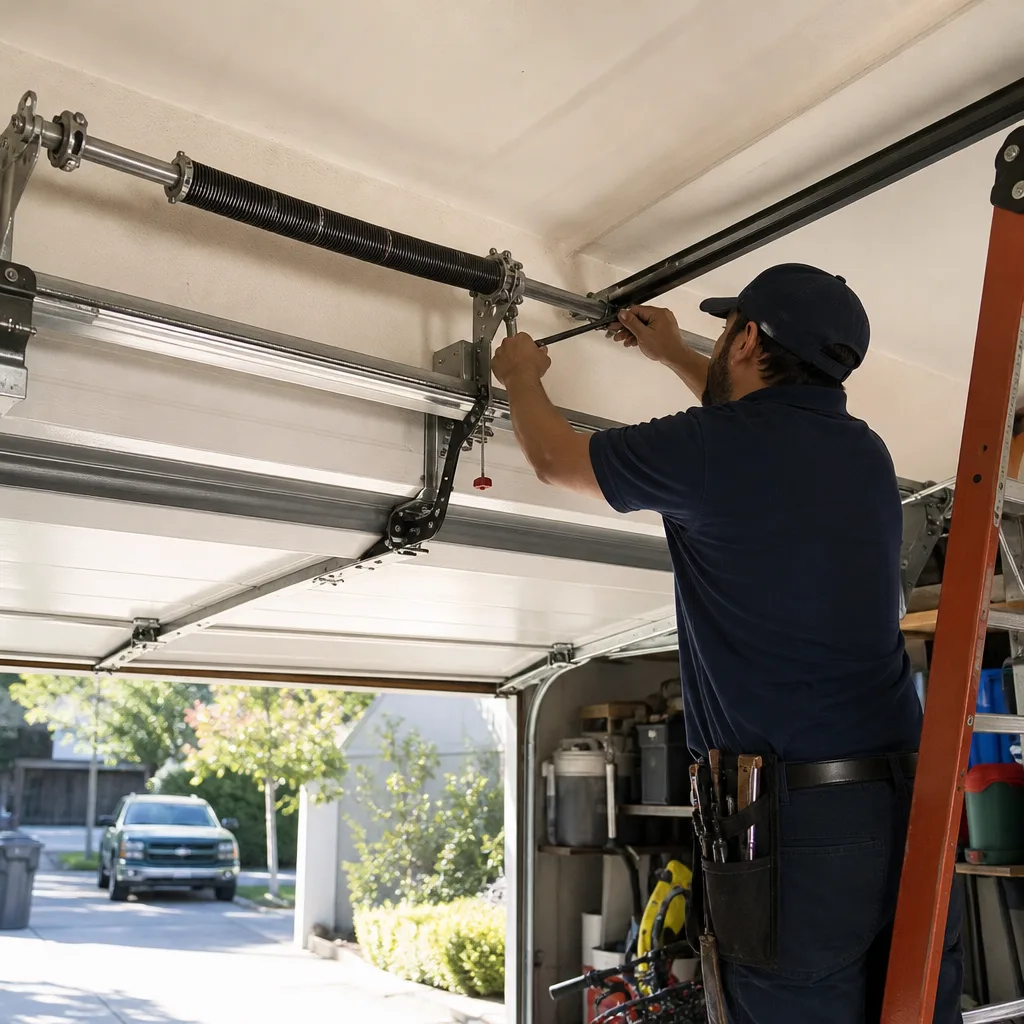 After
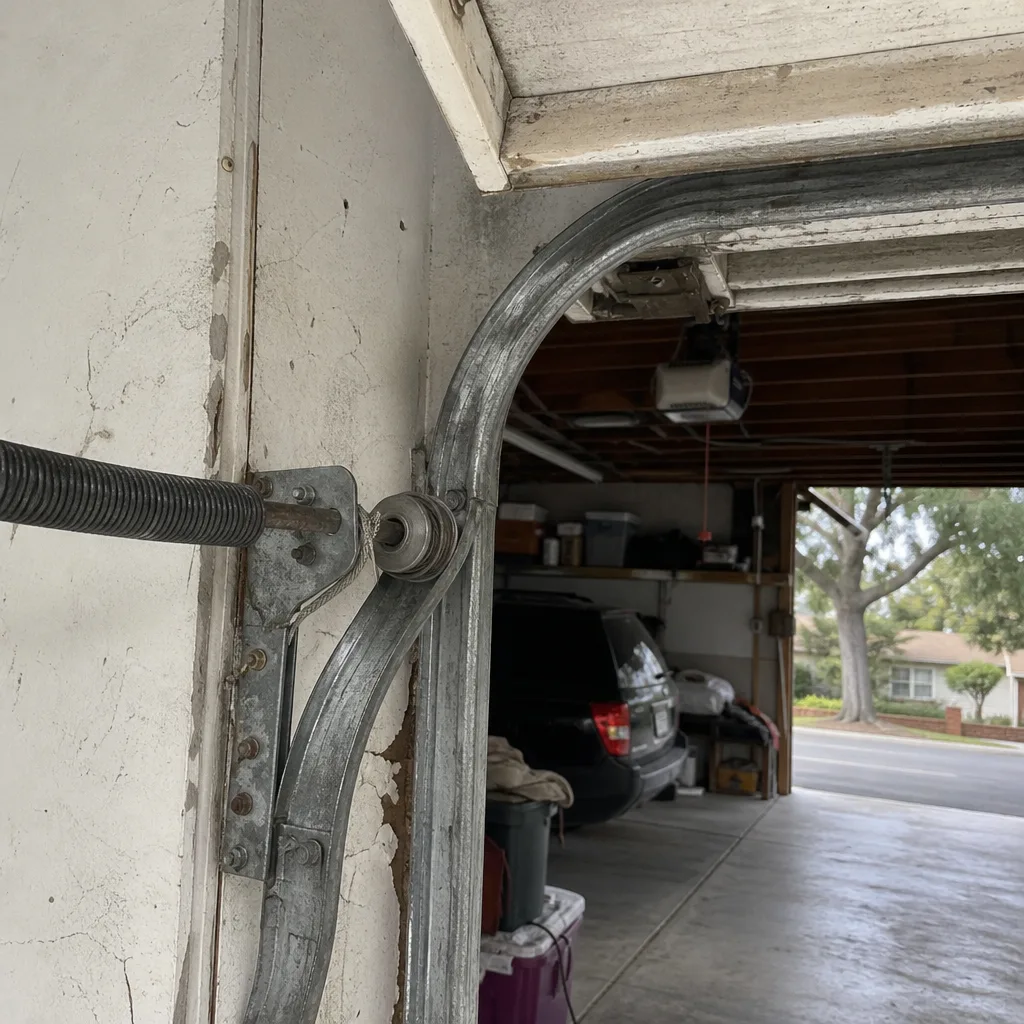 Before
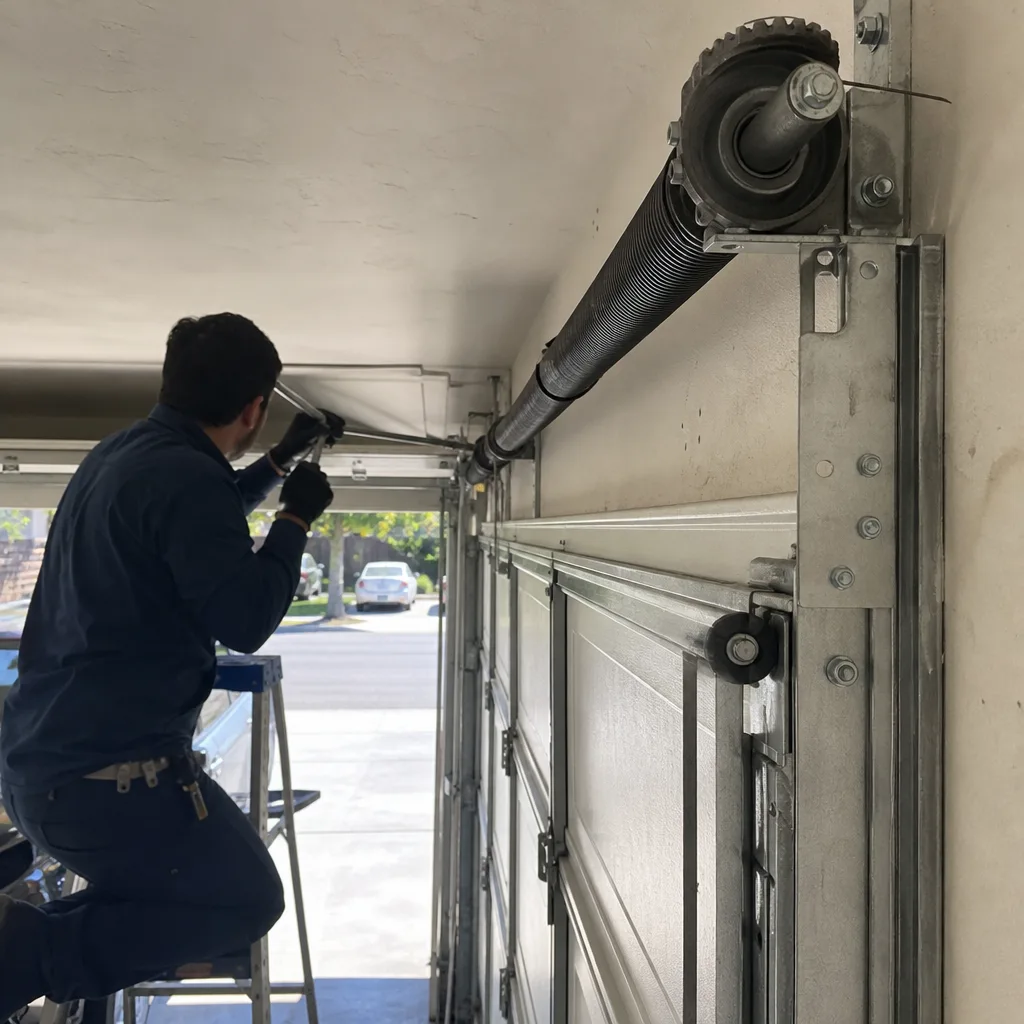 After
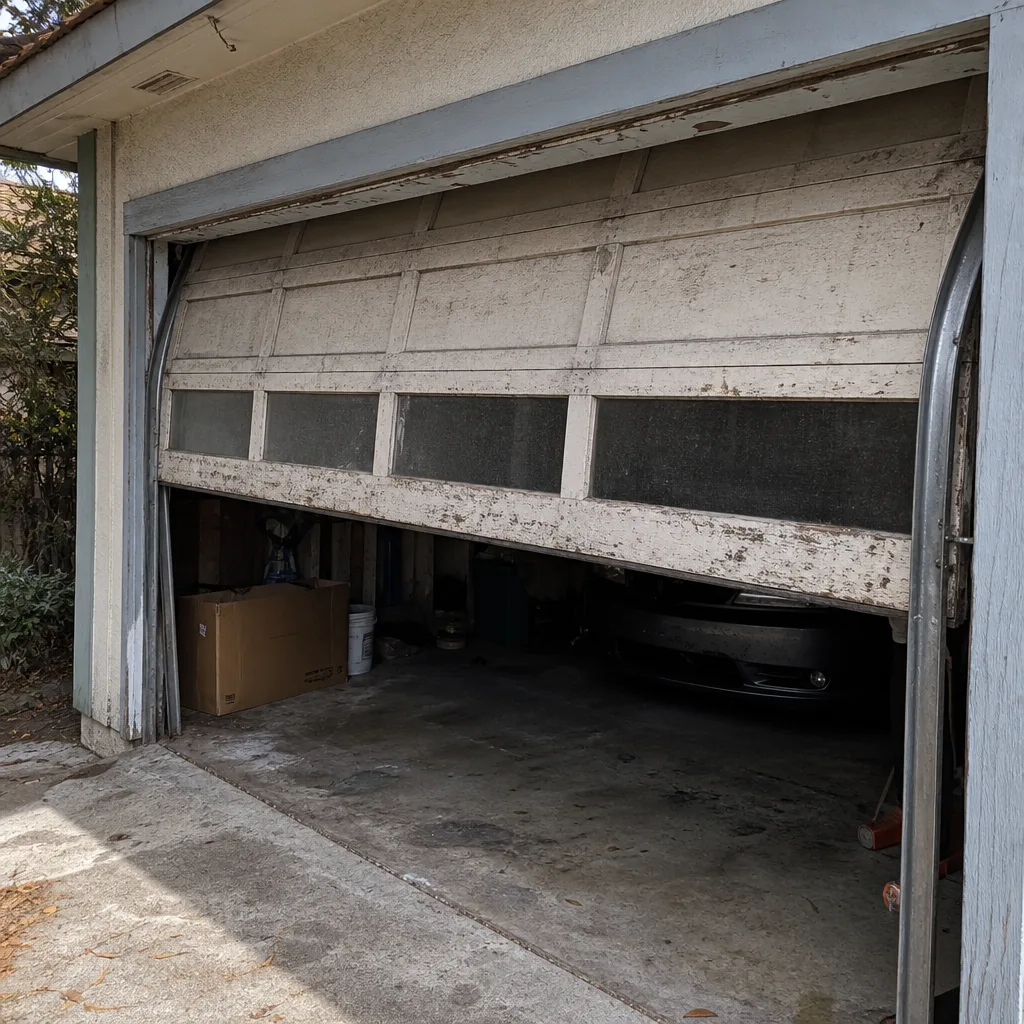 Before
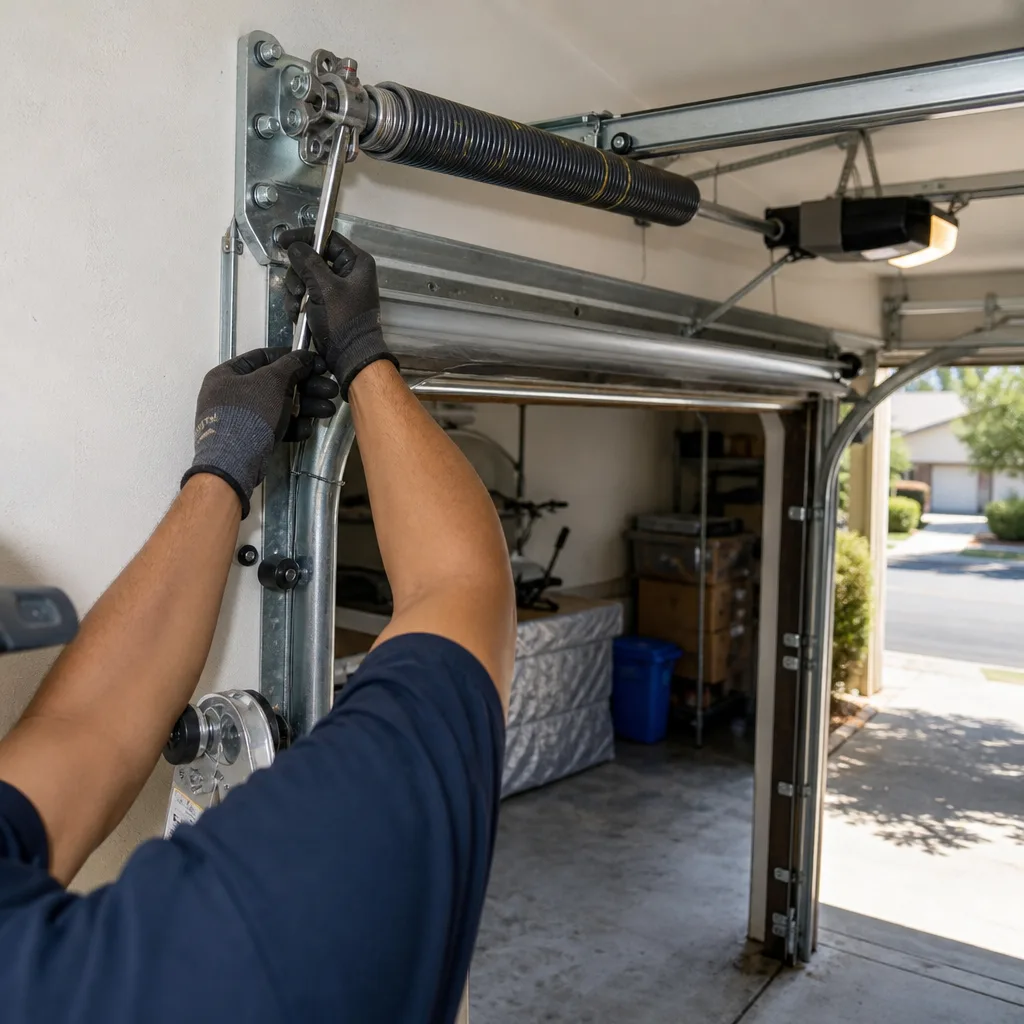 After
When to Call a Professional
Some garage door problems are not DIY territory, full stop. If a spring has snapped and you’re looking at a gap in the coil, that spring is under tension and can cause serious injury if mishandled. If your opener’s logic board is failing, you’re dealing with electrical components that require multimeter diagnostics and brand-specific knowledge. If the door is off its track and leaning against the wall, the whole assembly needs to be secured before anyone works underneath it. For any of these situations, call a licensed contractor rather than attempting a fix yourself. Stonewall Garage Door Repair offers free estimates in Pasadena. Call (855) 740-8388 and we’ll walk you through what we’re seeing, what it’ll cost, and what your options are, no obligation.
Frequently Asked Questions
Garage door repair in Pasadena typically costs between $150 and $600 depending on the component, with full door replacements ranging from $1,200 to $4,000 depending on door size, material, insulation, and opener needs. Spring replacement is usually at the lower end, while full system replacements with a new opener sit at the higher end. The only way to get an accurate number is a written estimate based on your specific door and opener. Call (855) 740-8388 for a free estimate with line-item pricing before any work starts.
Search the contractor’s name or license number on the CSLB’s online portal and confirm the license is active, the bond is in force, and the classification covers door work (typically C-61 / D-28). The search takes under two minutes and shows disciplinary actions, license status, and expiration dates. Never skip this step, even for small repairs in Pasadena.
A multi-brand specialist with direct experience on your specific manufacturer is the safer choice for repairs, because they carry parts and know the failure patterns for your equipment without incentivizing a replacement to one brand. Manufacturer-authorized installers make sense when you’re doing a full replacement and have a strong brand preference. We work on eight major brands, including Clopay, Amarr, Wayne Dalton, and Craftsman, so the recommendation matches your door, not our inventory.
A spring repair usually means re-tensioning or adjusting an existing spring, while a replacement means installing a new spring sized to the door’s weight and cycle rating. Springs are measured by wire gauge, inner diameter, length, and wind direction, and a mismatched spring causes uneven wear or door imbalance. We always replace both springs when one fails because they wear at the same rate, and replacing one leads to a second failure within months.
Same-day service is realistic for common repairs if the company stocks parts across its vehicles and has enough technicians to handle daily volume in Pasadena. Be wary of same-day promises that feel like a sales appointment rather than a repair appointment. If the technician arrives and quickly recommends a full replacement without showing you the broken part, you’ve been sold, not served.
Homeowners insurance in Pasadena typically covers sudden damage like vehicle impact, break-ins, or storm damage, but excludes wear and tear, spring fatigue, and component failure from age. Check your policy’s specific exclusions before you pay. Some policies have a separate garage door endorsement that broadens coverage, but standard policies rarely cover a broken spring on a ten-year-old door.
The Bottom Line
Hiring a garage door contractor in Pasadena comes down to verification and specificity. Verify the license and bond through the CSLB. Ask the brand questions that force a real answer instead of a sales pivot. Read the estimate line by line and question vague charges. Be skeptical of speed that skips diagnosis. Understand what insurance and warranty actually cover, and what they never will. The contractors worth hiring are the ones who can answer a pointed question directly, show you the broken part, and quote a price that holds. That’s the standard we build on.
If your garage door is broken right now, don’t wait through a multi-week vetting process. Call Stonewall Garage Door Repair at (855) 740-8388 for a free estimate. We’re a Pasadena-based garage door specialist with certified working knowledge across eight major brands, from LiftMaster and Genie openers to Clopay and Amarr doors. One call, full solution. We’ll show you the problem, explain your options, and give you a written price before anything gets touched.
Written by the team at Stonewall Garage Door Repair, serving Pasadena since 2013.