

Last updated October 31, 2026
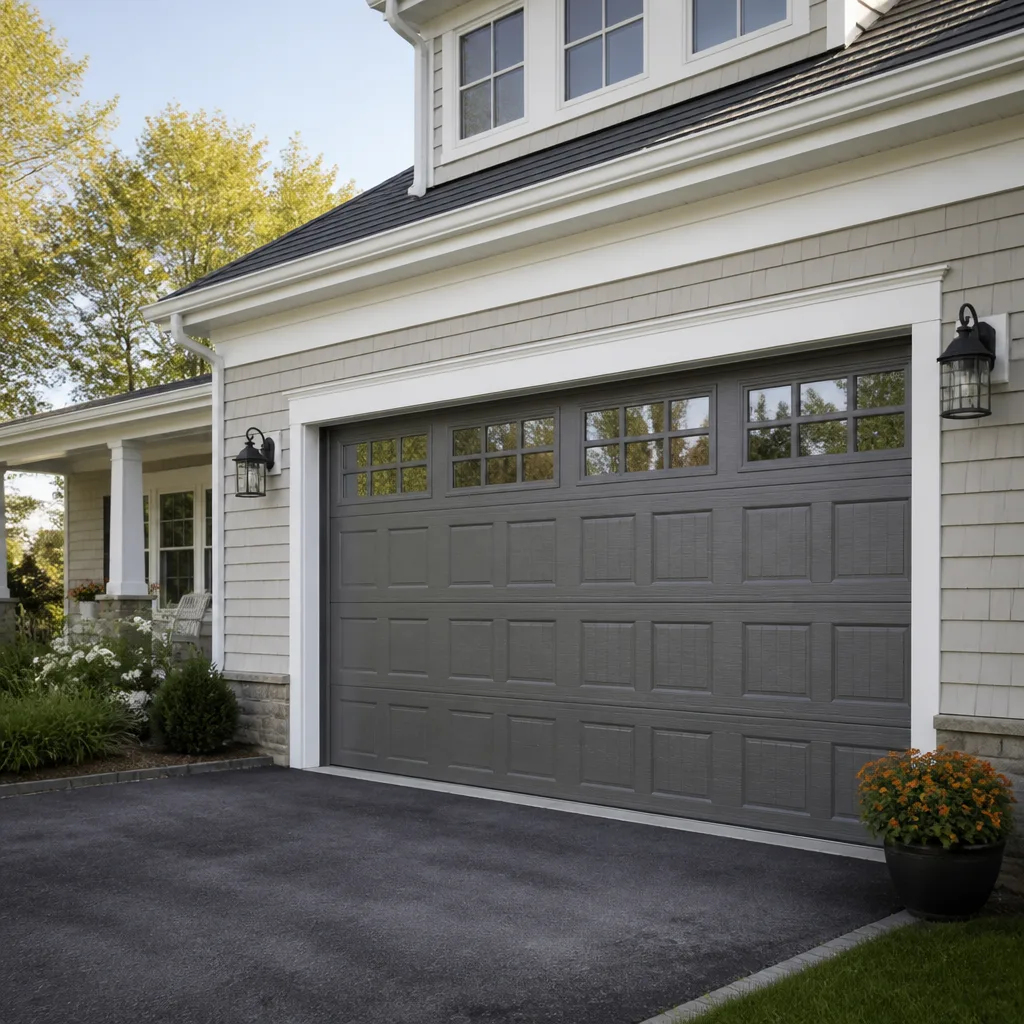
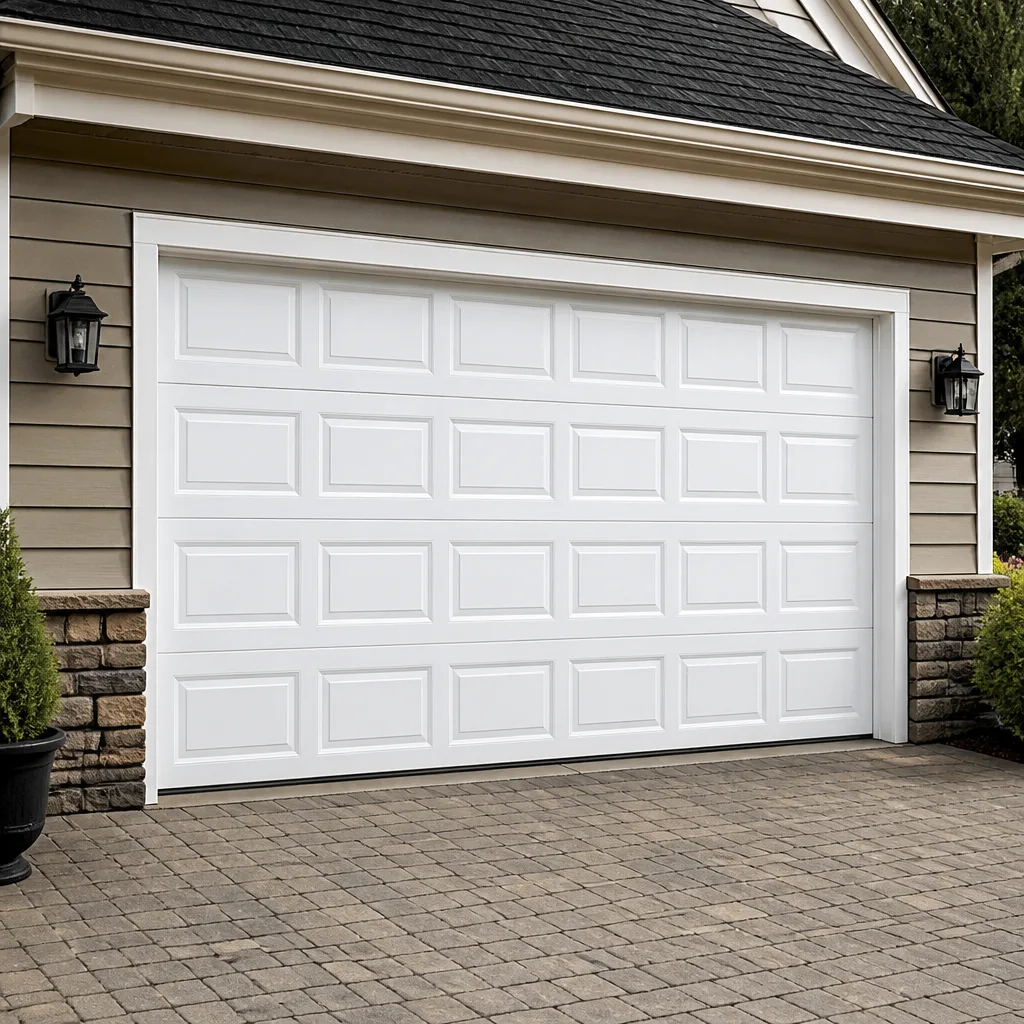 Raised-panel steel
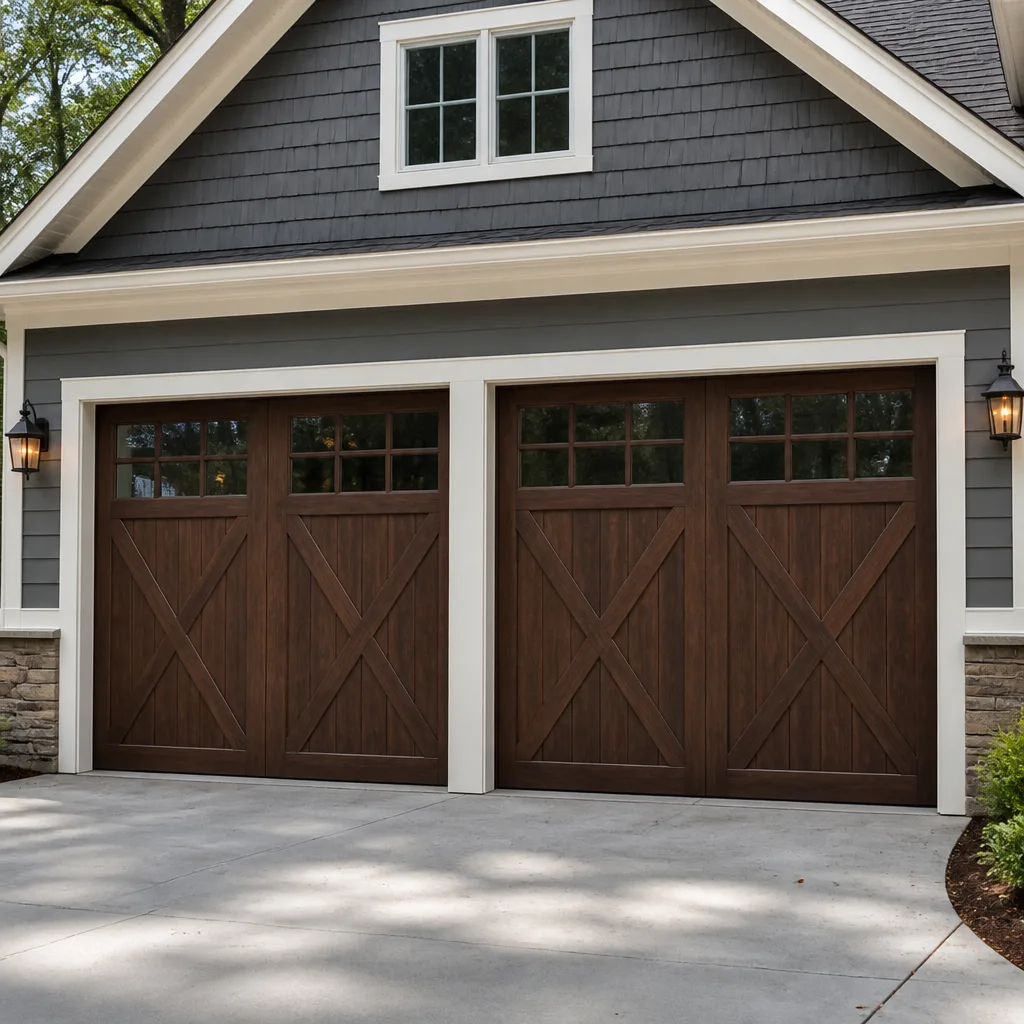 Carriage house
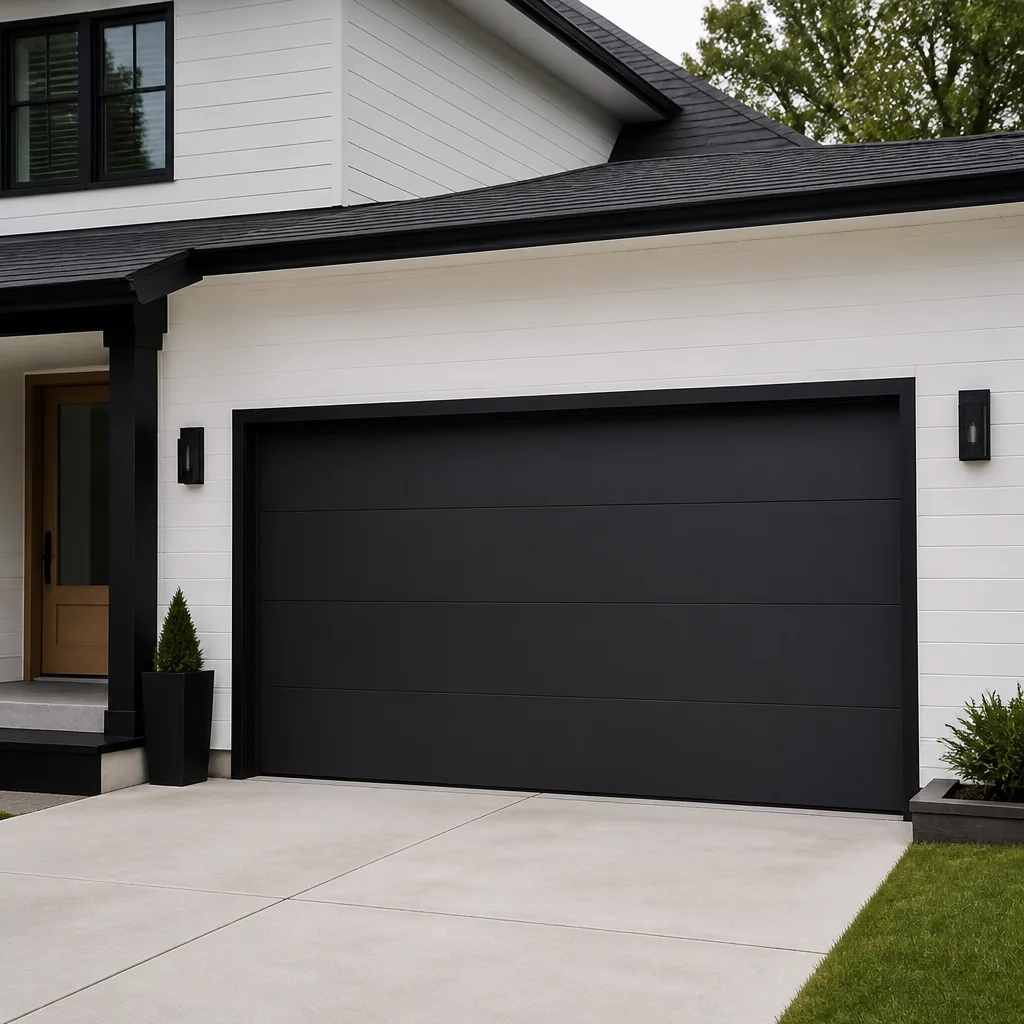 Modern flush
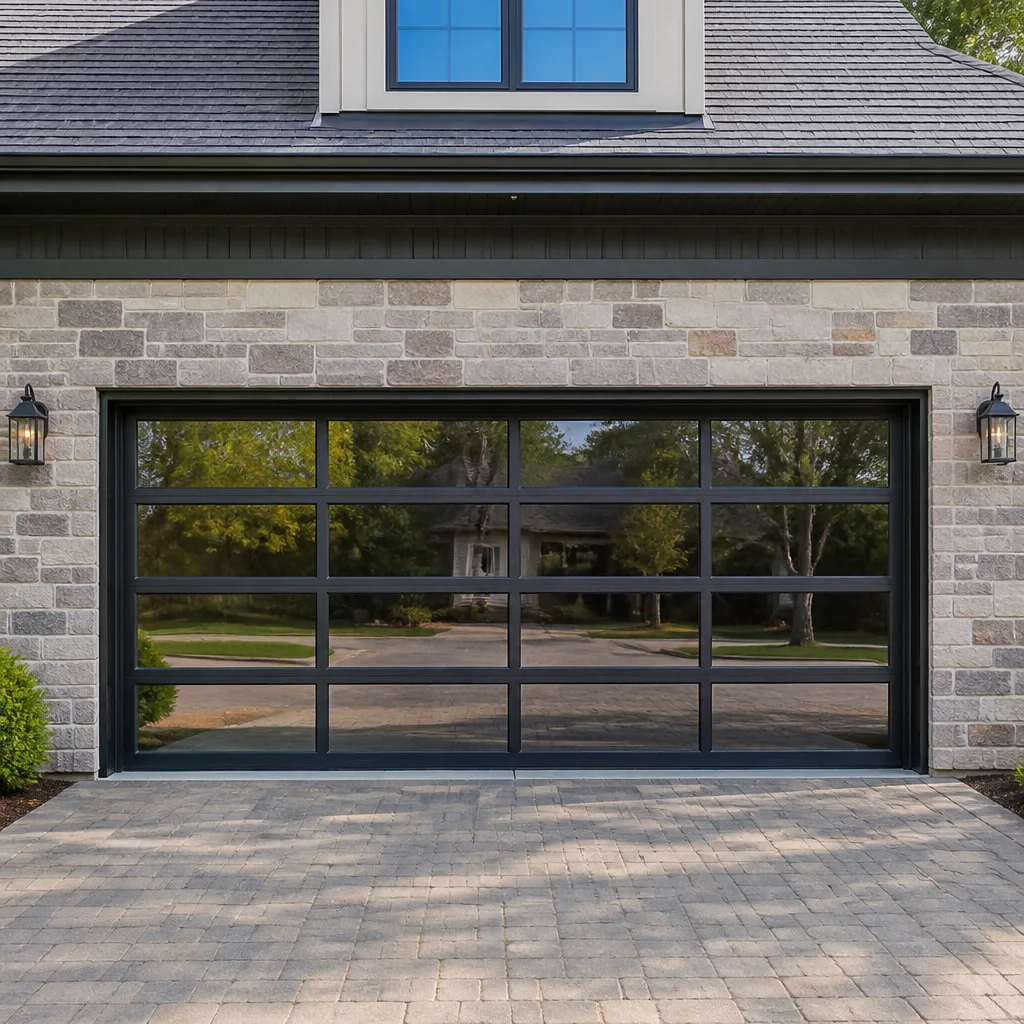 Full-view glass
 LiftMaster openers
 Chamberlain openers
Full 25-point door and opener safety check with every visit - springs, cables, rollers, tracks, and your LiftMaster or Chamberlain opener included
You get a price before we start. It does not change when the truck arrives.
Get your free estimateThe Complete Garage Door Repair Guide for Pasadena Homeowners
Most garage door failures in Pasadena happen within 18 months of a homeowner saying “it’s fine, it’s just a little slow.” The reason has less to do with the door itself than with where it lives. Pasadena sits far enough inland to bake in summer, close enough to the San Gabriel Mountains to catch cold winter nights, and directly in the path of seasonal Santa Ana wind cycles. That combination puts stress on springs, cables, and opener motors in ways that generic repair advice from a coastal city or a Midwest suburb will never address. This guide covers what actually breaks in Pasadena, why it breaks, what repair costs should look like in this market, which brands hold up best against local conditions, and when a repair needs a permit. By the end, you’ll know what to fix now, what to watch, and what to leave to a professional.
Styles & brands we work with
Quick Answer
Garage door repair in Pasadena typically costs between $180 and $480 depending on the failed component, with spring replacement being the most common repair due to the city’s heat-accelerated metal fatigue cycle. Most repairs take under two hours once a technician arrives, and any reputable Pasadena garage door company will quote the full price before work begins. If your door is off track, has a snapped cable, or a spring has broken, stop using it and call a professional same day. For a full breakdown, our garage door repair page for Pasadena covers pricing in more detail.
Table of Contents
- How Pasadena’s Climate Damages Garage Doors Differently
- Torsion Springs: Why Heat, Not Age, Kills Them First
- Seismically Sensitive Repairs: Track Alignment and Anchor Integrity
- Brand-by-Brand Failure Patterns in Pasadena Homes
- Pasadena’s Permit Rules for Garage Door Work
- Documenting Repairs for Resale Value in Pasadena Real Estate
- Opener Repair: Smart Systems and Legacy Units Both Need Attention
- What You Can Check Yourself, and What You Should Never Touch
- Common Mistakes to Avoid
- When to Call a Professional
- Frequently Asked Questions
- The Bottom Line
How Pasadena’s Climate Damages Garage Doors Differently
Pasadena has a garage door problem that most national guides don’t address: the city’s temperature swing. During a typical summer week, daytime highs in the 90s give way to overnight lows in the 60s. That 30-degree swing repeats daily for months. Metal expands in heat and contracts in cold. On a garage door, the torsion spring absorbs that movement thousands of times per season. Coastal cities see smaller swings. Inland desert cities see bigger total heat, but less daily contraction. Pasadena lands in a specific zone where the repetition is what matters, not the peak temperature.
Low humidity is the second factor. Pasadena averages under 30 percent relative humidity for much of the year. That sounds benign until you consider what it does to rubber seals, nylon rollers, and opener drive belts. Rubber bottom seals dry and crack. Nylon rollers, which lack the self-lubricating properties some metal bearings have, become brittle. Belt-drive openers in attached garages that share the home’s conditioned air are less exposed than those in detached garages, which are common in older Pasadena neighborhoods like Bungalow Heaven and Madison Heights. Detached garages in Pasadena bake harder and cool faster, making them something of an accelerated-aging chamber for door components.
The third local factor is asphalt heat radiation. Pasadena driveways, especially in hillside neighborhoods like San Rafael and Linda Vista, are frequently long, sun-exposed, and positioned directly in front of the garage. Asphalt absorbs solar energy and radiates it back upward for hours after sunset. A garage door on a west-facing home gets a second heat dose from the driveway itself. Door panels, particularly on older wood or hollow-core steel doors, warp under this pattern. The bottom section of the door, the one closest to the driveway, is nearly always the first to show deformation. When you see a door that seals tightly at the top but shows a gap at the bottom corner on a Pasadena afternoon, driveway heat is usually part of the story.
Torsion Springs: Why Heat, Not Age, Kills Them First
Every torsion spring has a rated cycle life, typically 10,000 cycles for a standard spring and 20,000 or more for heavier-gauge springs. A cycle is one full open-and-close. In a mild climate, a family opens and closes the door perhaps three times a day, which puts a standard spring on track for roughly nine years. In Pasadena, the same spring tends to fail earlier, not because of more cycles but because thermal stress weakens the spring steel itself.
Spring steel relies on a tightly controlled molecular structure created during the hardening and tempering process. Repeated heating and cooling gradually disrupts that structure at the microscopic level. Coils lose tension incrementally. The spring de-rates itself before it snaps. That’s why Pasadena homeowners often describe a spring that “looks tired” for months before breaking. The coils may show visible gaps that weren’t there at installation. The door feels heavier. The opener strains audibly. We call this pre-failure fatigue. Manufacturers don’t factor it into warranty timelines because the cycle count hasn’t been exceeded, but the spring is effectively worn out.
When a torsion spring does snap in Pasadena, it rarely happens during operation. The snap usually occurs at rest, often in the early morning when the overnight contraction has pulled the coil to its tightest point. Homeowners report being startled awake by a sound like a gunshot. If this happens, do not attempt to operate the door, even manually. A snapped spring means the full weight of the door, which can be 150 to 250 pounds depending on the material, now has no counterbalance. The door can free-fall if forced. Call for same-day spring replacement. The repair itself involves unloading the remaining tension on the second spring, if one exists, removing the broken pair, and installing new springs rated for the exact door weight and height. Both springs should be replaced together even if only one snapped, because both have accumulated identical fatigue. At Stonewall Garage Door Repair, we recommend springs rated for at least 20,000 cycles on any Pasadena door. The price difference is modest, and the heat-cycle resistance matters here more than most homeowners realize.
Seismically Sensitive Repairs: Track Alignment and Anchor Integrity
Pasadena sits within the greater Los Angeles seismic zone, with the Raymond Fault running through portions of the city and the more active San Gabriel and Sierra Madre faults nearby. A garage door is not a seismic safety device, but it is a moving structure attached to a building that does move. Over years of minor tremors and occasional larger events, two specific garage door problems emerge in Pasadena at higher rates than in non-seismic areas.
The first is gradual track misalignment. Vertical tracks bolted to the door jambs shift independently of the horizontal tracks mounted to the ceiling. In a house that settles or vibrates, the point where vertical and horizontal track sections meet can separate by fractions of an inch. Over time, the door’s rollers hit that transition point differently on each side. You’ll hear a clunk at the halfway point of opening. You’ll see wear on the roller bearings and, eventually, the door may bind. Left alone, a bound door can bend a hinge, strip a cable, or overload the opener. Track alignment after a seismic event, even a small one, should be on a Pasadena homeowner’s checklist. Look for the gap between the track and the wall, check whether the door hangs evenly when halfway open, and listen for new sounds at the mid-point of travel.
The second issue is anchor plate stress. The torsion spring assembly mounts to a center bearing plate and two end bearing plates fastened above the door. These plates carry the entire torsion load of the door. In a seismic event, the structure flexes, and the plates absorb some of that movement. Over repeated flexing, lag bolts can loosen, and the plates can micro-shift. A loose anchor plate may be invisible from the ground, but its effect is not: the spring bar can rotate slightly with every cycle, producing a rhythmic creak, and cable tension can become uneven. If your door creaks in a repeating pattern while moving, and the sound comes from above the door rather than the tracks, have the anchor assembly inspected. This is a repair that matters in Pasadena specifically because the exposure is ongoing, not a one-time earthquake event. Homes in the city’s hillside areas, where soil movement adds another variable, see this pattern most often.
Brand-by-Brand Failure Patterns in Pasadena Homes
The brand on your garage door matters less than its age, but both matter in Pasadena. Homes here fall into distinct construction eras, and those eras correlate with specific door brands and predictable failure modes.
Pasadena’s mid-century neighborhoods, including large sections of Hastings Ranch and the area around Victory Park, were developed primarily in the 1950s and 1960s with original wood doors, many of which have since been swapped for steel. When we encounter an original wood door from this era, the failure is nearly always structural: cracked panels, rotted bottom sections from decades of ground contact, and hinge mounts that have lost their grip in aged wood. The opener, if original or early-generation, is often a Craftsman. Craftsman units from the 1980s and 1990s are workhorses with a known weak point: the plastic drive gear inside the motor housing. That gear strips after decades of use, and the opener motor still runs fine while the door won’t move. It’s a repair we perform regularly in Pasadena homes built in this era. The failure is a $40 part, not a reason to replace the opener.
Homes built in the 1970s through the early 1990s, common in neighborhoods like Upper Hastings Ranch and the streets surrounding Eaton Canyon, frequently have steel doors from Wayne Dalton or Clopay paired with early Chamberlain or LiftMaster openers. The doors themselves tend to hold up well in Pasadena’s climate, but the torsion springs from this era were often rated for only 10,000 cycles. Most of those springs have been replaced at least once by now, and replacements installed before about 2010 are reaching the end of their fatigue life. The openers are another story. Early Chamberlain and LiftMaster units from the late 1980s and 1990s used a nylon drive gear that becomes brittle over time in low-humidity heat. The symptom is a door that opens but occasionally stops mid-travel or fails to close fully. A new gear set, installed properly, typically restores the opener for years.
Newer Pasadena construction, much of it built since 2000 in neighborhoods like Annandale and the condominium developments near Old Pasadena, tends to feature Genie or newer LiftMaster screw-drive and belt-drive openers with smart-home connectivity. The failure pattern here is rarely mechanical. It’s electronic: Wi-Fi module failures, sensor misalignment after minor door impacts, and logic board issues often triggered by power fluctuations. Pasadena’s utility grid experiences periodic voltage dips during heat waves and Santa Ana events, and sensitive opener logic boards are exposed to those dips. A surge protector on the opener outlet is a small investment that can prevent a costly board replacement. For a deeper look at opener-specific problems, see our dedicated guide to garage door opener repair in Pasadena.
Pasadena’s Permit Rules for Garage Door Work
Most garage door repairs in Pasadena do not require a permit. The city of Pasadena’s building code treats the replacement of a spring, cable, roller, hinge, or opener as a maintenance repair performed on an existing permitted structure. No permit is needed so long as the work does not alter the structural opening or change the door’s dimensions. You can replace a broken panel on an existing door, install a new opener, or replace the entire door with one that fits the existing opening without pulling a permit.
A permit enters the picture in two specific scenarios. The first is when the garage door opening itself is being modified: enlarging the opening, widening it for a larger vehicle, or converting a single-car door to a double-wide. This requires a building permit because the wall framing, header, and possibly the foundation are affected. The second scenario is when a garage door is being added where one did not previously exist. If you are converting a carport to an enclosed garage, or adding a door to a detached accessory structure, the framing, electrical for the opener, and sometimes the fire rating of the door all trigger permit requirements.
There is also a real scenario in Pasadena’s historic districts that deserves attention. Homes in designated historic zones, including parts of Bungalow Heaven and the area covered by the Pasadena Historic Preservation Commission, may have design review requirements for visibly different door styles. The repair itself does not need a permit, but if you are replacing a period-appropriate wood door with a modern steel one in a historic district, you may need approval for the aesthetic change. This has nothing to do with the mechanics of the door, but a homeowner planning a full door replacement in a historic district should check with the city’s planning department before ordering. In practice, in-kind replacements raise no issue. A drastic style change might.
For the vast majority of Pasadena homeowners, the relevant answer is simple: repair and same-size replacement require no permit. If you are unsure about your specific situation, a licensed garage door contractor can tell you in the first phone call. See our Pasadena garage door installation guide for more detail on replacement scenarios including permit-sensitive ones.
Documenting Repairs for Resale Value in Pasadena Real Estate
Pasadena real estate is a document-driven market. Buyers here, many of whom are bidding on homes in competitive situations, appreciate specificity. A garage door that works is a non-event at closing. A garage door with a documented service history is a small but real differentiator, especially when it accompanies a home inspection report.
Pasadena agents regularly tell us that garage door issues surface in about a quarter of home inspections in this market. The most common findings are a door that reverses improperly, worn rollers, and an opener without a functioning auto-reverse sensor. Any of these can stall a sale. When the seller can produce a repair history showing that the springs were replaced in 2019 with a 20,000-cycle pair, the door was rebalanced in 2022, and the opener’s safety sensors were replaced and tested in 2024, the inspection conversation shifts from “what’s wrong with this door” to “this door has been maintained.” That’s the difference between a credit request and a clean pass.
Keep a simple record for any garage door work done on a Pasadena property. The record should include the date, the company name, the specific parts replaced, the cycle rating of any new springs, and the technician’s notes. Even a one-page list covering five or six years is enough. When you sell, that page goes into the disclosure packet. It costs nothing to keep, and it has real value in a market where buyers scrutinize every system in the house. If you bought a Pasadena home that came with no door history, the first service call you schedule should establish one.
Opener Repair: Smart Systems and Legacy Units Both Need Attention
Garage door openers in Pasadena split into two groups: connected smart-home units and traditional non-connected workhorses. Both need service, but for different reasons. Connected openers, dominated by LiftMaster and Chamberlain’s myQ platform and Genie’s Aladdin Connect, fail most often in the electronics. The motor and drive train are rarely the issue. What fails is the Wi-Fi module, the wall console, or the logic board. The symptoms are familiar to anyone who has lived with a smart opener: the unit works fine from the wall button but won’t connect to the phone app, or the app shows the door open when it’s closed, or the opener beeps twice and refuses to close because a sensor is reporting an obstruction that isn’t there. These are diagnosis-heavy repairs. Our technicians work on both myQ and Aladdin systems regularly enough to recognize the failure patterns without swapping parts on a guess.
Traditional openers have a different profile. They may be 15 or 20 years old, still using a chain or screw drive, and the failures are mechanical and predictable: stripped gears, worn drive belts, tired capacitors, and limit switches that have drifted out of adjustment. The repair is usually well understood and cost-effective. A Pasadena homeowner with a non-smart opener from the 1990s or early 2000s often faces a choice: repair the failed part or replace the unit with a smart opener. That decision should factor in the age of the rest of the door. If the door itself is also 20 years old with worn panels and tired hardware, installing a brand-new opener on an old door is a short-term move. In contrast, replacing the gear set in a solid old opener on a door that still has life in it is often the right economic call.
One Pasadena-specific note for smart opener owners: your opener’s Wi-Fi module is more exposed to voltage fluctuation than you think. The heat-wave and Santa Ana electrical dips mentioned earlier can corrupt the module’s firmware mid-update or damage the board outright. If your smart opener drops off your network and won’t reconnect, and you cannot restore it with the standard reset procedure, do not continue to cycle power repeatedly. That can make a recoverable board failure permanent. Call a technician who understands the electronics before you replace the whole unit. For a complete breakdown of opener failure modes and repair options, read our opener repair guide.
What You Can Check Yourself, and What You Should Never Touch
There is a meaningful difference between inspecting a garage door and repairing one. Pasadena homeowners can and should perform basic monthly checks. What they should not do is attempt to replace any component under significant tension.
Here is what is safe to check on your own:
- Stand inside the garage with the door closed and visually inspect the torsion springs above the door. Look for visible gaps between coils and any sign of a coil that has shifted out of line. Do not touch the springs.
- Operate the door and watch the cables on both sides. They should wind and unwind evenly on the drums. Fraying, kinking, or loose cable wraps are signs of trouble.
- Listen for new sounds while the door runs. A rhythmic creak, a grinding noise at the mid-point, or a pop when the door begins to move are all meaningful symptoms. Note where the sound comes from: the door panel area, the tracks, or the opener housing.
- Test the auto-reverse safety function. Place a roll of paper towels under the closing door. It should reverse within two seconds of contact. If it doesn’t, the door is working against the sensor and needs service immediately.
- Check the balance. With the opener released via the red emergency cord, the door should hold in place at the halfway point without drifting. If it falls or rises on its own, the spring tension is wrong.
What you should never attempt, under any circumstances, is the repair of torsion springs or lift cables. These components are under extreme tension, enough to cause severe injury or death if that tension releases suddenly. The tools and technique involved are not a weekend project. If the spring is broken, the cable is snapped, or the door has come off its track, leave the door alone and call a professional. This is not a matter of preference; it is a matter of safety. The same warning applies to any repair that requires removing the bottom bracket, where the cable attaches under load. At Stonewall Garage Door Repair, we approach torsion systems with the respect they demand, and we recommend every Pasadena homeowner do the same.
Common Mistakes to Avoid
- Operating a door with one broken spring. If one torsion spring snaps, the remaining spring is now carrying uneven load and is near its own failure point. Every cycle you run on one spring accelerates the second failure. Stop using the door and schedule replacement of both springs.
- Lubricating the tracks. This is the most common garage door myth we hear in Pasadena. Tracks should be clean and dry. Lubricant on the track collects dust and grit, which grinds the rollers. Lubricate the roller bearings, hinges, and spring coils only.
- Ignoring a noisy door in winter. A door that creaks more in Pasadena’s cooler months is often showing early anchor plate or spring fatigue. The noise is not cosmetic; it is a symptom of a structural issue that will get worse. Early intervention costs less than a failure repair.
- Replacing the opener when the door is the problem. Many Pasadena homeowners assume a door that won’t open needs a new opener. In our experience, openers are the culprit less than half the time on a called-in failure. The door itself, a spring issue, or a sensor problem is frequently the real cause. A proper diagnosis before replacement saves hundreds.
- Skipping permit checks for opening modifications. Repairing a door requires no Pasadena permit, but widening an opening or adding a new door does. Doing unauthorized structural work on a garage opening creates a liability at resale that can cost far more than the permit would have.
- Using the wrong spring rating on a Pasadena door. A standard 10,000-cycle spring costs less up front but fails earlier in this city’s heat pattern. If you plan to stay in the home more than five years, the higher-cycle spring is the cheaper repair on an annualized basis.
- Doing a visual inspection but never a balance test. A door can look fine and still be dangerously out of balance. The balance test we described above takes 30 seconds and tells you more about spring condition than any visual check. Make it a monthly habit.
When to Call a Professional
Call a garage door professional the same day if your spring is broken, a cable has snapped, the door has come off its track, or the door will not close and lock. Any of these creates a security risk for the home as well as a safety hazard. Call within a few days if your door is getting louder, the opener is inconsistent, or the balance test fails. These are early warnings, and addressing them early prevents the same-day emergency later. Call for an estimate anytime you are considering a door replacement, whether for curb appeal, insulation, or smart-home integration. Pasadena’s climate and market deserve a door chosen for this specific place, not whatever is in stock. Stonewall Garage Door Repair offers free estimates in Pasadena – call (855) 740-8388. We work on the eight brands most common in Pasadena garages, including LiftMaster, Chamberlain, Genie, Clopay, Amarr, Wayne Dalton, Craftsman, and Raynor. The right fix, not the fast fix.
Frequently Asked Questions
Most Pasadena garage door repairs run between $180 and $480, with simple roller or sensor replacements at the low end and full torsion spring pair replacement at the higher end. The specific price depends on the door’s weight, height, and hardware condition. Every reputable Pasadena garage door company should quote the exact price before starting work, with no price changes once the job is underway. Call (855) 740-8388 for a free estimate on your specific door.
Yes, a broken torsion spring is dangerous because the door now weighs its full amount, often 150 to 250 pounds, with no counterbalance remaining. Attempting to operate the door manually or with the opener can cause the door to free-fall, and a door that size causes serious injury. Do not touch the door. Call for professional spring replacement the same day.
You should replace both springs even if only one has snapped. Torsion springs are installed in pairs on most Pasadena doors, and both springs accumulate identical fatigue and heat-cycle stress. Replacing one means the older spring still carries the structural load and will fail soon after. The correct repair is a matched pair rated for the same cycle life, which also restores proper door balance.
No permit is required in Pasadena if you are replacing a door in the existing opening without modifying the structure. You also do not need a permit for spring, cable, roller, hinge, or opener repairs. A permit is required only if you are changing the opening size, adding a door to a structure that did not have one, or performing work that affects the wall framing or header. Historic district homes may also need design review for significant style changes.
Pasadena’s daily temperature swing, often 30 degrees between daytime highs and overnight lows during the summer, forces torsion spring steel through repeated expansion and contraction cycles. Over years, this thermal stress weakens the spring’s metal structure even when the cycle count is within the manufacturer’s rating. In our experience, Pasadena springs fail earlier than equivalent springs in cooler or more moderate coastal climates. Choosing a higher-cycle spring helps offset this local pattern.
First, check the safety sensors near the bottom of the door tracks. If something is blocking the line between the two sensors, or if one sensor has been knocked out of alignment by a car bumper or storage item, the door will refuse to close fully. Also check for debris in the tracks, especially after Santa Ana winds blow leaves and dust through an open garage. If the sensors are clean and aligned but the door still won’t close, the likely issues are a limit switch problem in the opener or a spring tension issue. For a fast Pasadena diagnosis, call (855) 740-8388 and describe what the door is doing; we can usually identify the problem over the phone before we arrive.
The Bottom Line
Pasadena garage doors fail in predictable, local patterns. Heat-cycle fatigue kills springs earlier than the national average. Seismic movement slowly misaligns tracks and loosens anchor plates. Low humidity dries out the rubber and plastic components that keep a door quiet and sealed. The brands on Pasadena garage doors, from Craftsman units on mid-century homes to LiftMaster and Genie smart openers on newer construction, each have their own known failure points that a brand-educated technician can diagnose without guesswork. Most repairs in the city require no permit, can be quoted upfront, and take under two hours once a technician arrives. Documenting your repair history protects your resale position in a market where inspectors check garage doors closely. If your door is making noise, out of balance, or simply getting older, the cheapest day to address it is today. Garage door repair in Pasadena is our focus, and we work on the brand already on your garage.
Written by the team at Stonewall Garage Door Repair, serving Pasadena since 2013.
See the difference
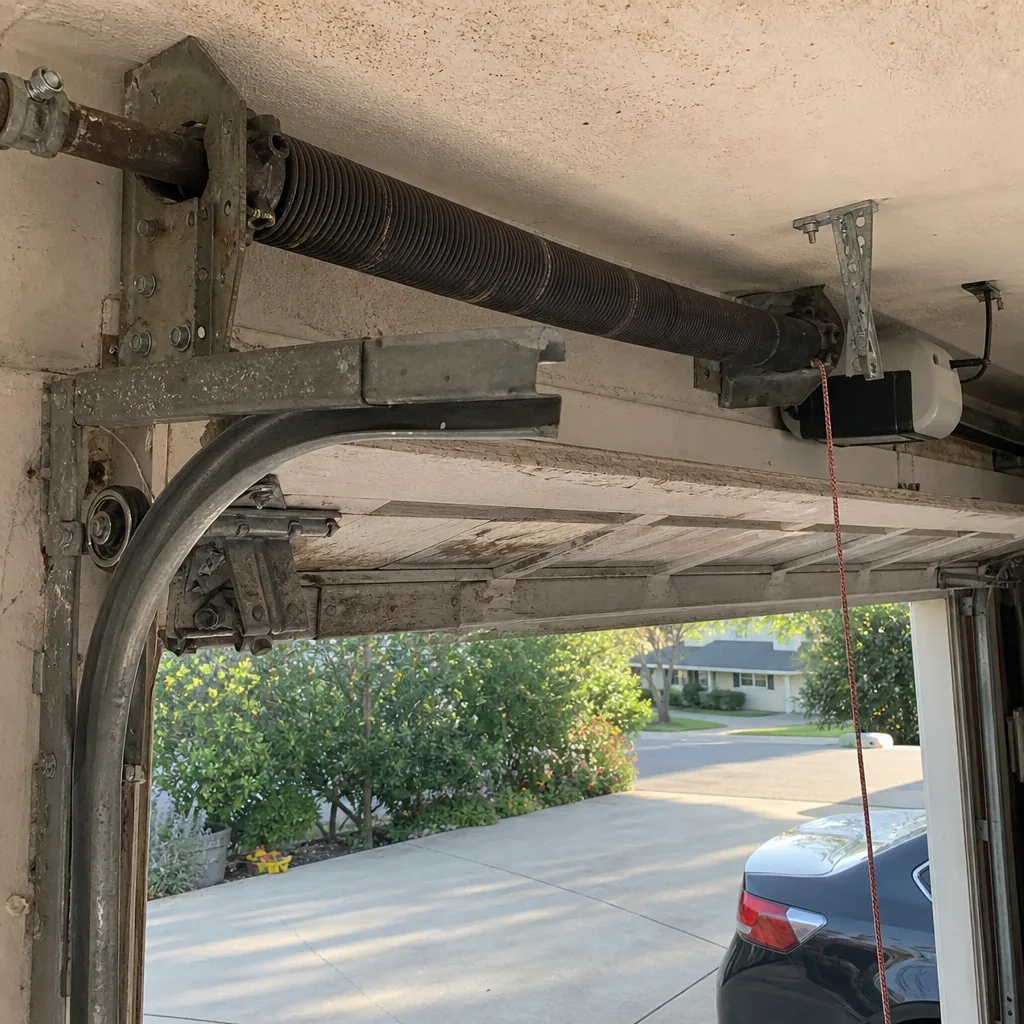 Before
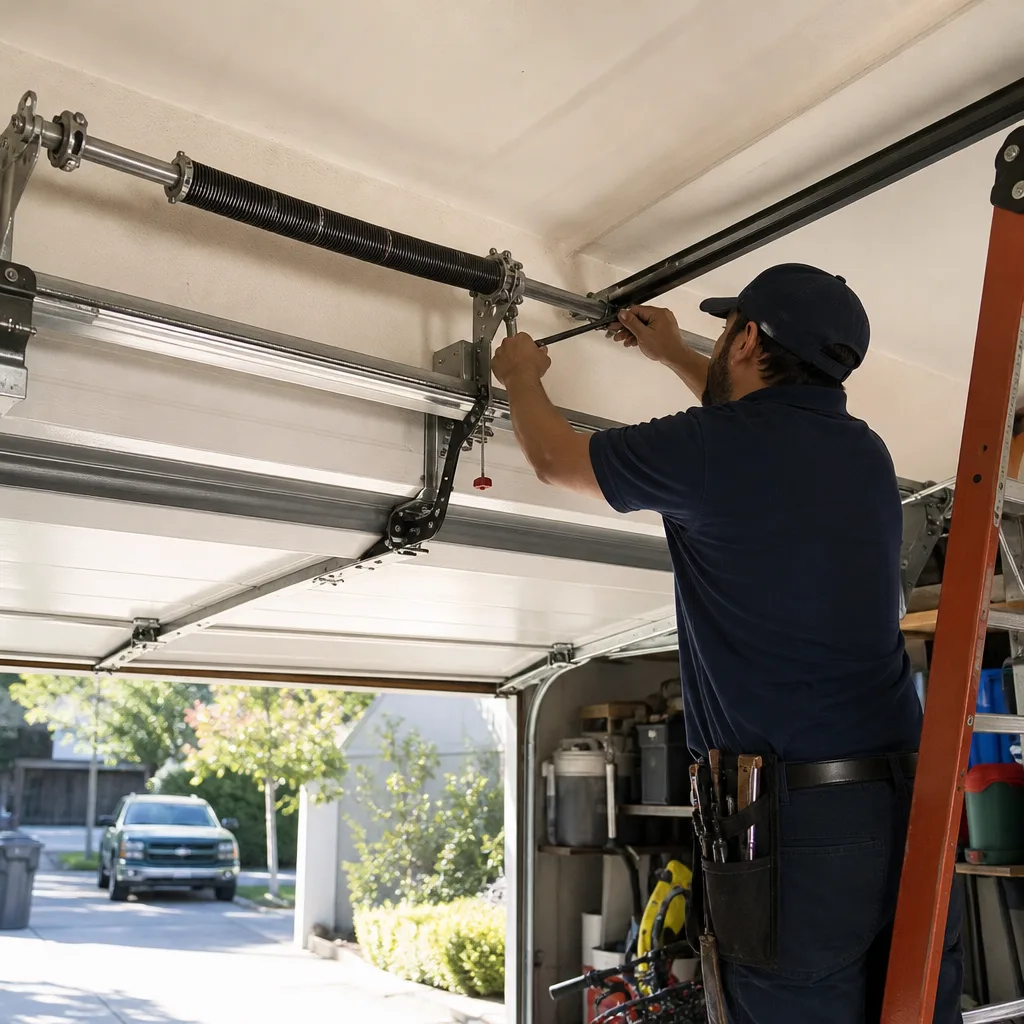 After
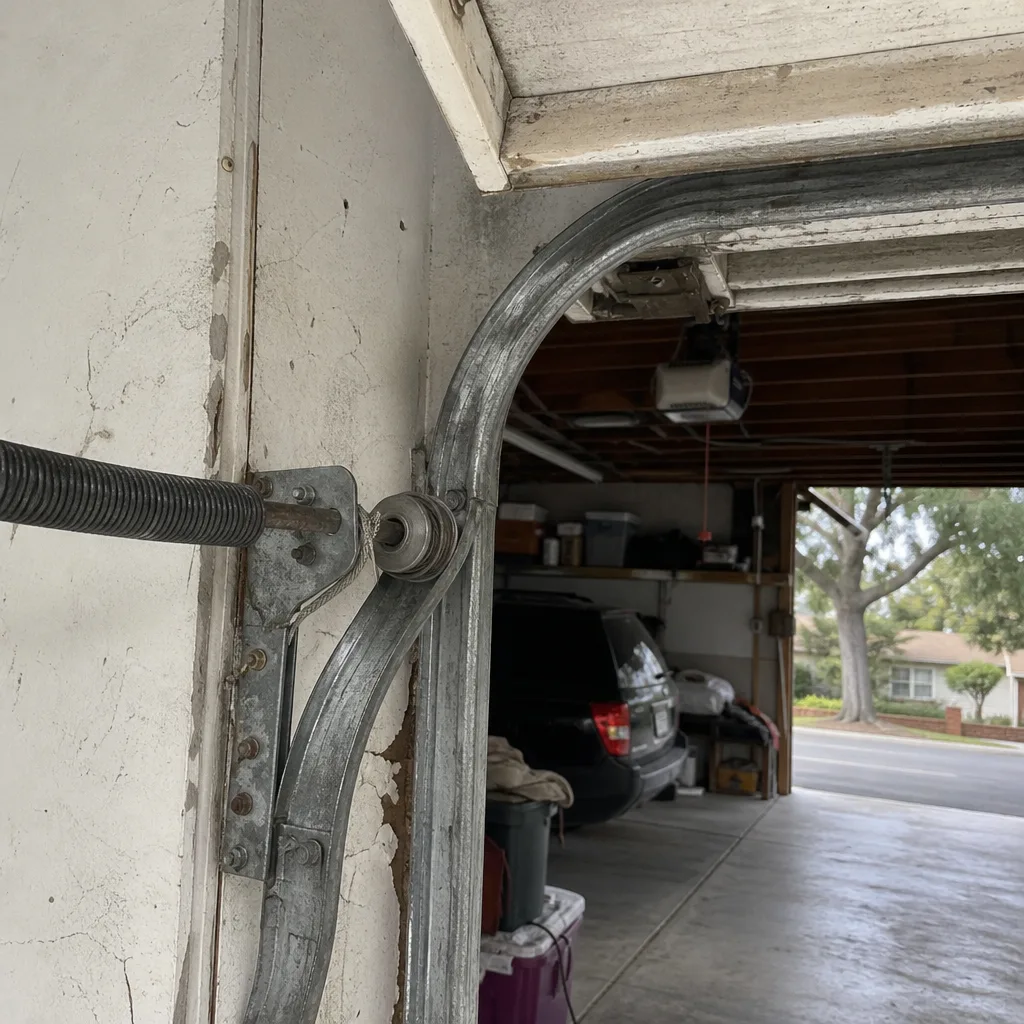 Before
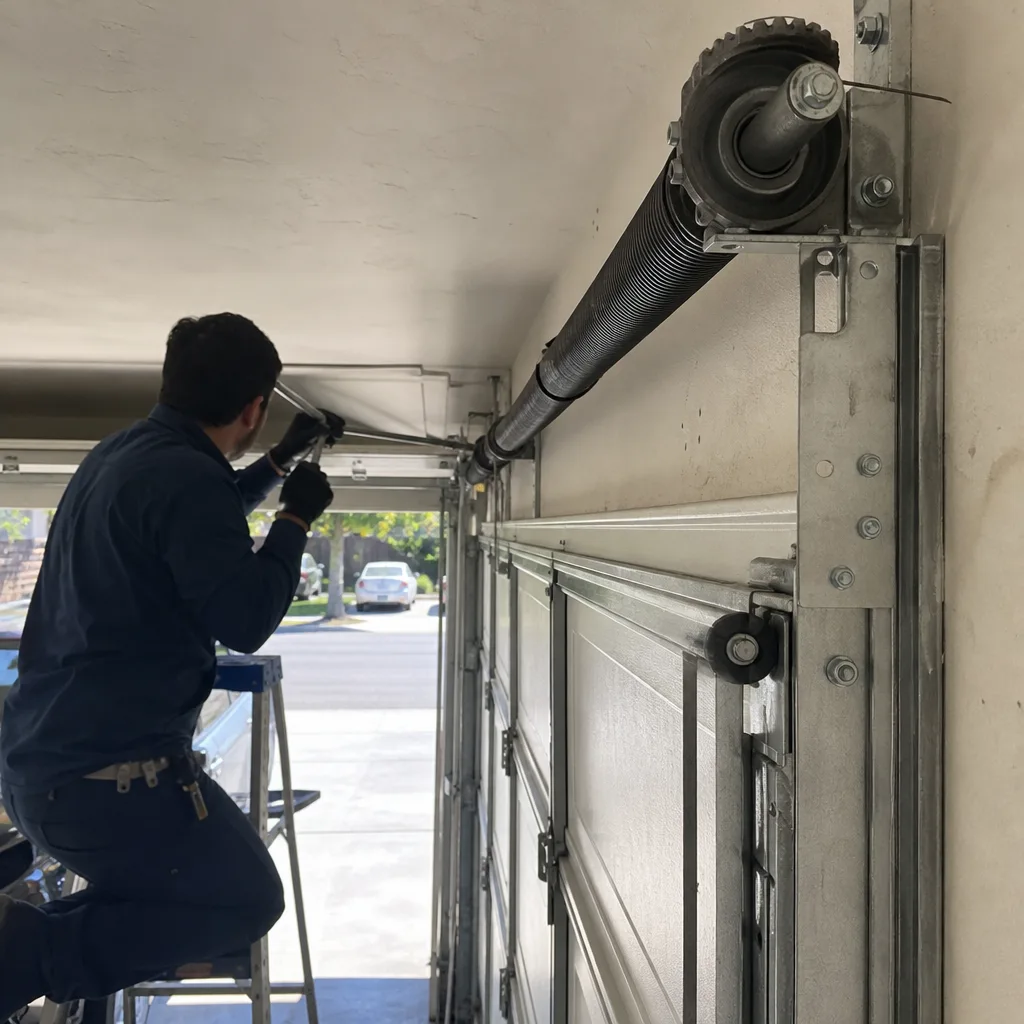 After
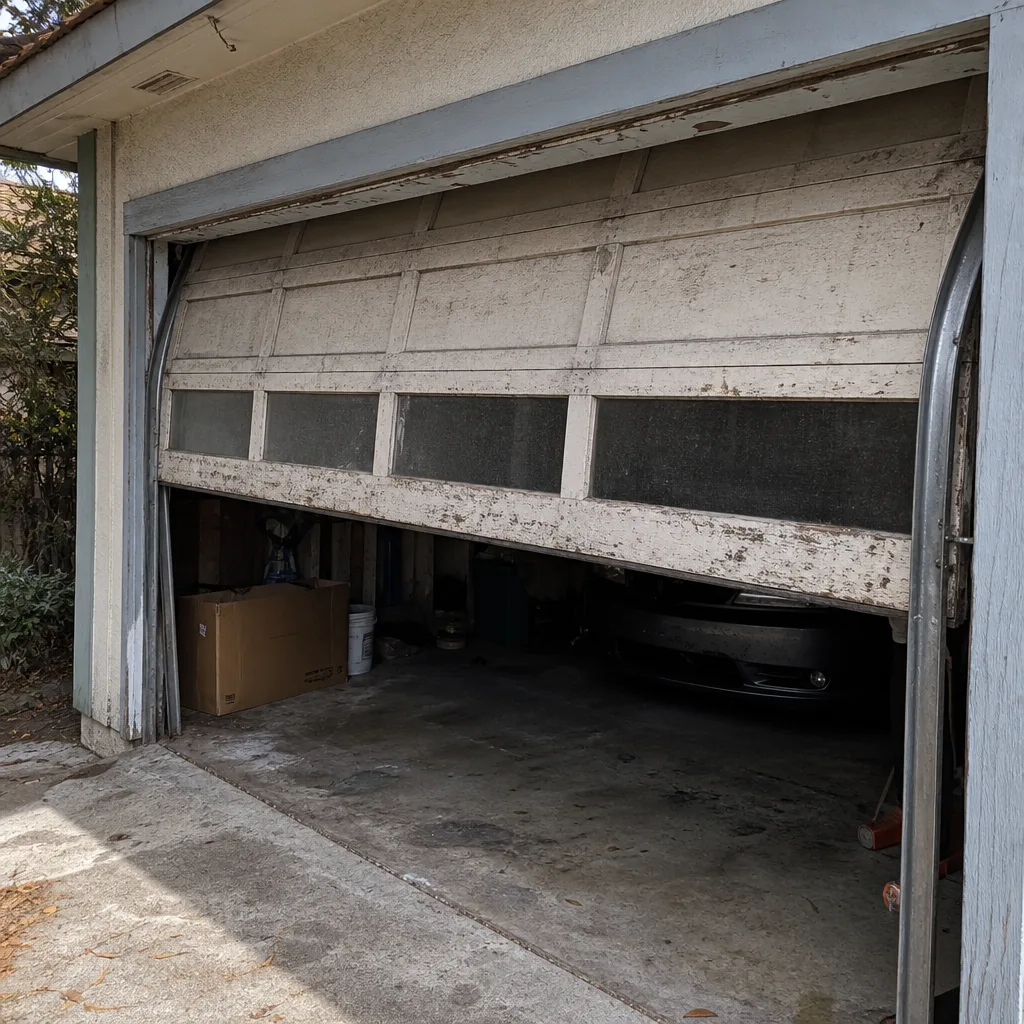 Before
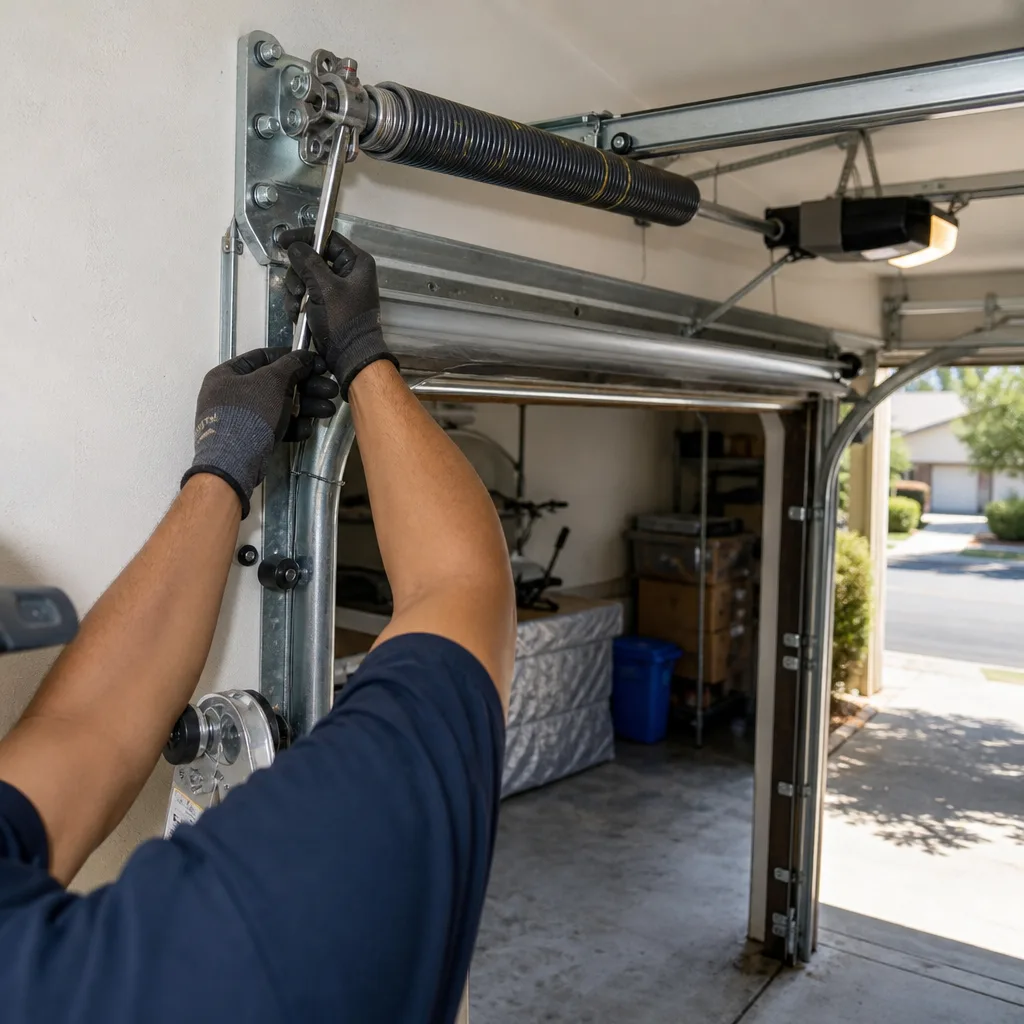 After