

Last updated October 31, 2026
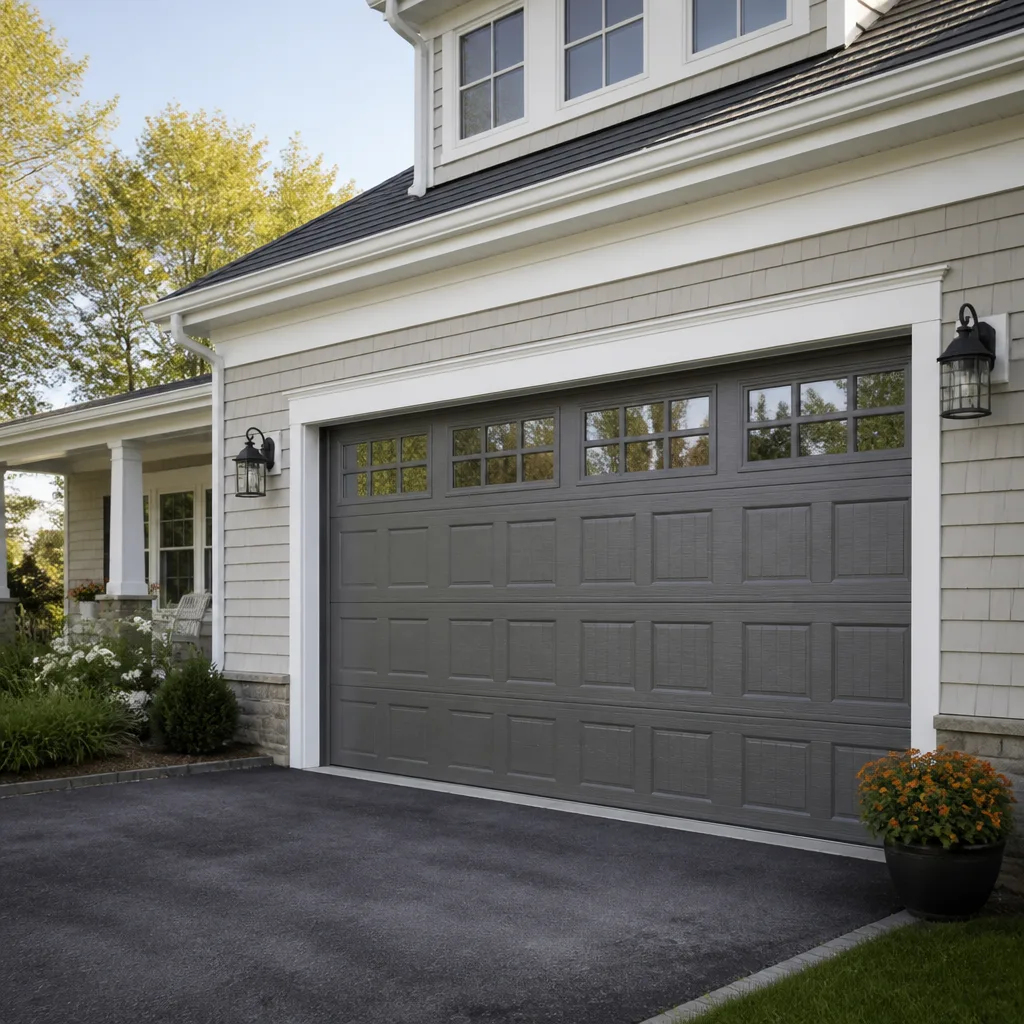
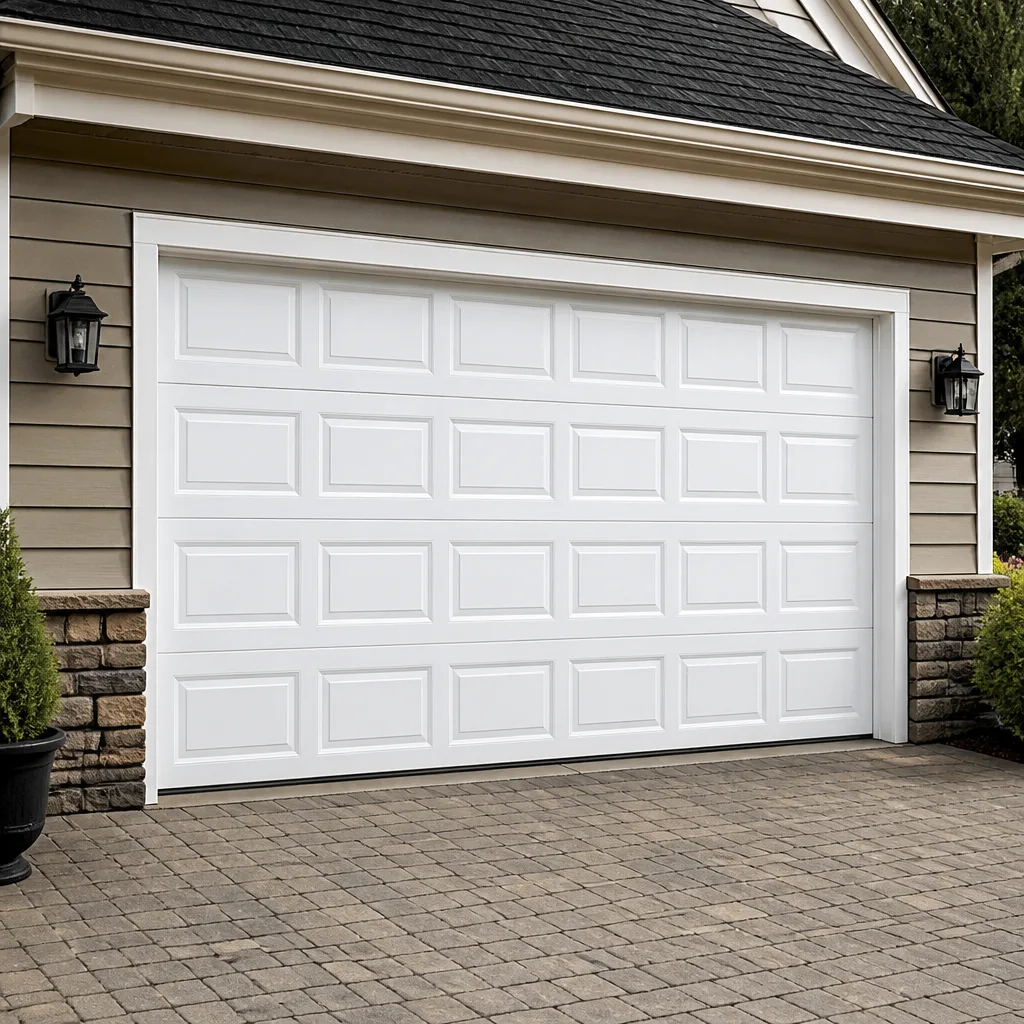 Raised-panel steel
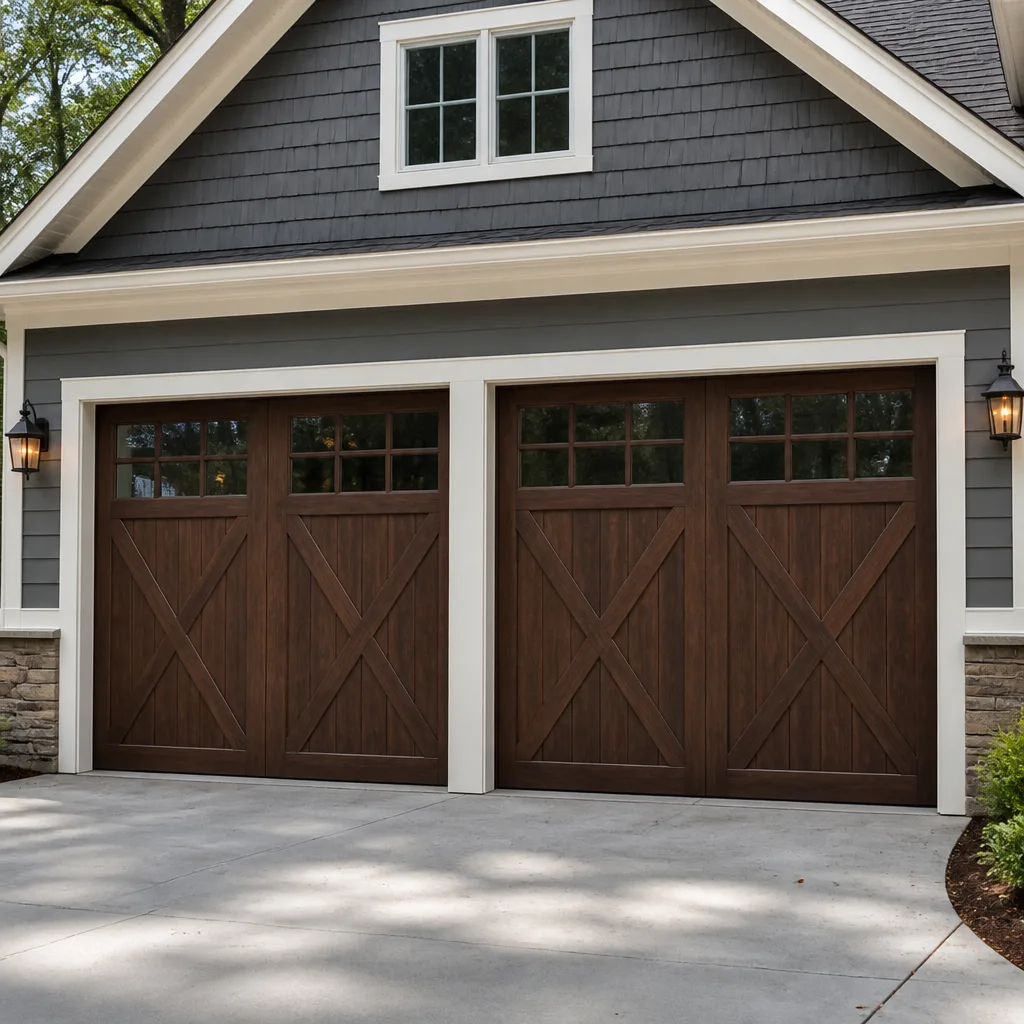 Carriage house
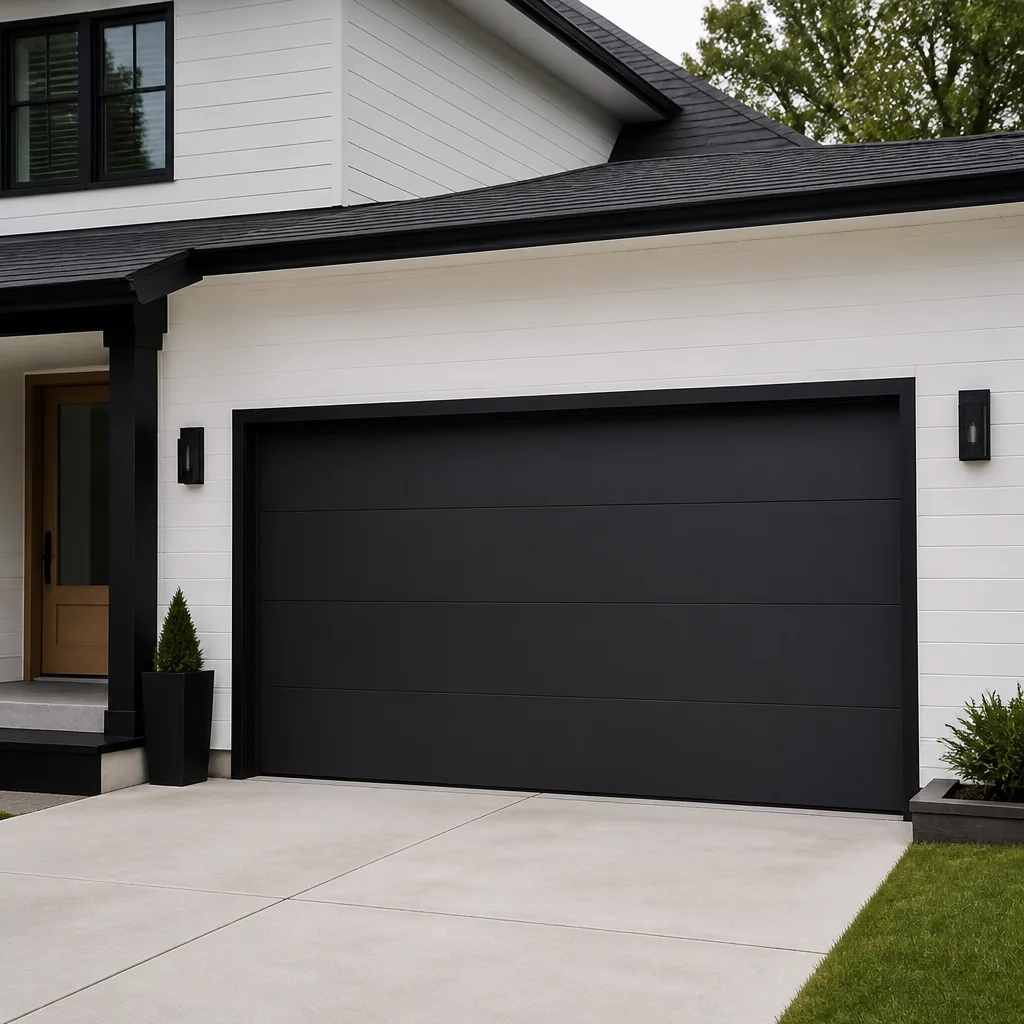 Modern flush
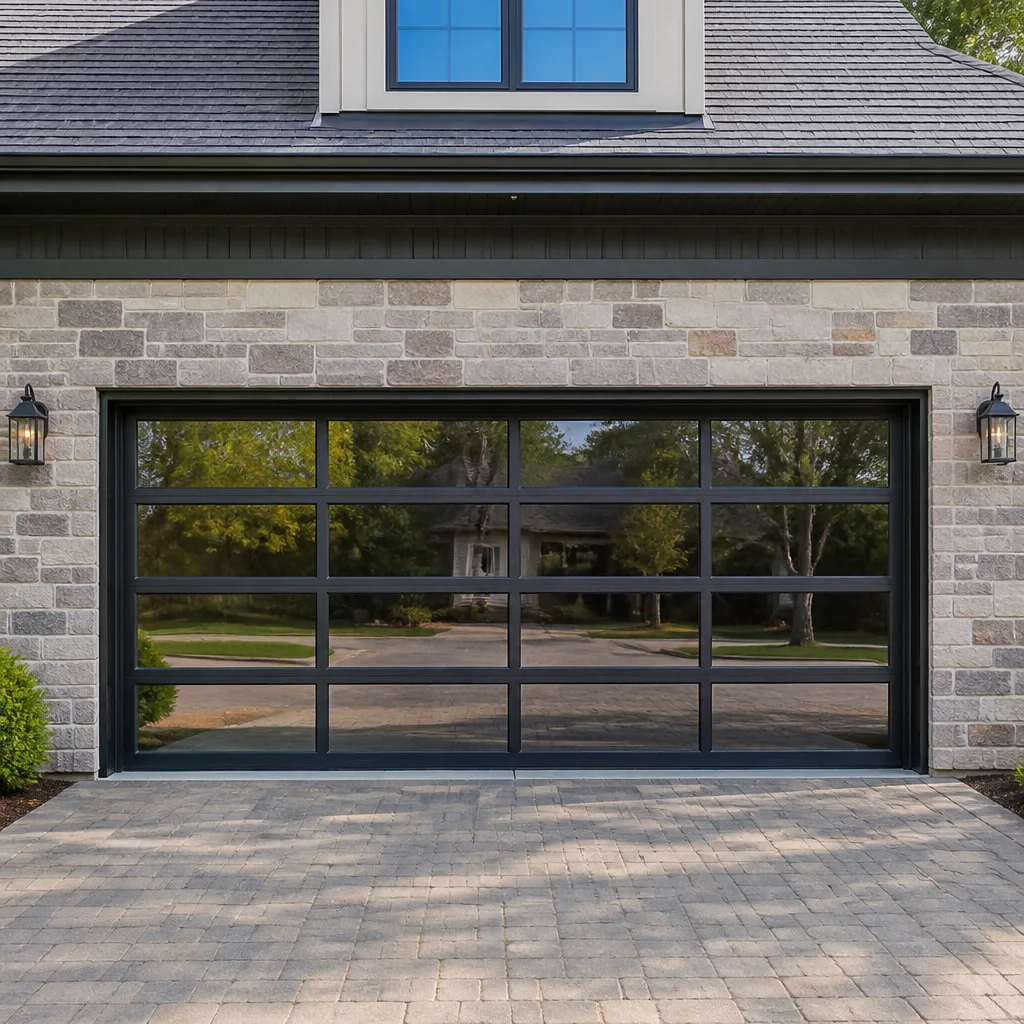 Full-view glass
 LiftMaster openers
 Chamberlain openers
Full 25-point door and opener safety check with every visit - springs, cables, rollers, tracks, and your LiftMaster or Chamberlain opener included
You get a price before we start. It does not change when the truck arrives.
Get your free estimateGarage Door Permits, Codes & Inspections in CA: What You Need to Know
Most Pasadena homeowners assume a garage door replacement needs the same red tape as a kitchen remodel. It doesn’t. But that assumption, or the opposite one that nothing needs a permit at all, is exactly where expensive problems start. We’ve walked through enough Pasadena home inspections with nervous sellers to know one thing: the permit question trips up more garage door projects than any busted spring ever has. This guide explains what California actually requires, what Pasadena’s Building & Safety division enforces, and where the gray areas cost you real money at resale. For Garage Door Warning Signs: A Pasadena Homeowner’s Reference Guide, see our companion resource.
Styles & brands we work with
Quick Answer
Replacing a garage door in Pasadena, CA requires a building permit when the work is not a like-for-like replacement of the door panels only. Pure repairs (springs, cables, rollers, openers) do not require permits. Adding or reconfiguring a garage door opening, or converting a garage to living space, always triggers the permit process, and any new door installation in California must meet seismic bracing requirements under Title 24 when the opening exceeds certain dimensions.
Table of Contents
- What Actually Requires a Permit in Pasadena?
- The “Like-for-Like Replacement” Rule: Where the Exemption Actually Ends
- California Seismic Bracing: When It Triggers an Automatic Inspection
- Pasadena Permit Timeline and Cost: Real Numbers to Plan Around
- How Unpermitted Work Appears on Disclosures and Affects Insurance
- Opener-Only Swaps: Why They’re Different From Door Replacements
- Common Mistakes to Avoid
- When to Call a Professional
- Frequently Asked Questions
- The Bottom Line
What Actually Requires a Permit in Pasadena?
Pasadena operates under the California Building Standards Code (Title 24) plus its own municipal amendments. For garage doors specifically, the permit trigger comes down to three words: structural alteration. If the work changes the structure of the opening, the wall, or the load path, you need a permit. If it doesn’t, you don’t.
Here’s the breakdown as we explain it to homeowners on almost every consultation call, along with our Garage Door Repair Maintenance Checklist for Pasadena Homeowners:
- Panel replacement on the same track system: No permit. You’re swapping like for like. The opening dimensions don’t change, the framing doesn’t change, the structural loads don’t change.
- Complete door replacement (panels, tracks, springs, everything): Usually no permit, if the new door fits the existing opening and the header and jambs remain untouched. The key word is untouched.
- Enlarging the opening or cutting a new one: Permit required. This is structural work. You’re modifying the load-bearing wall and the header. Pasadena Building & Safety will want plans, possibly engineering calcs, and definitely inspections.
- Converting a garage to living space: Permit required, and the garage door comes out or gets replaced with a wall. This is a change of occupancy, which pulls in a whole different set of Title 24 energy and fire requirements.
- Adding a second garage door where none existed: Permit required. Same structural logic as enlarging.
One thing most guides gloss over: Pasadena is in a designated seismic zone, which means lateral bracing requirements apply to garage door openings as part of the wall’s shear resistance. When a permit is triggered, that bracing question almost always comes up during plan review. We’ll get to that in the seismic section below.
If you’re unsure whether your project is a repair or a replacement, our Garage Door Repair in Pasadena page covers the repair side in detail, including what we fix without touching the structure.
The “Like-for-Like Replacement” Rule: Where the Exemption Actually Ends
California building officials use the phrase “like for like” differently than most homeowners do. You might think it means “same size, same location, same function.” Officials mean something narrower: the replacement part performs identically to the original in every way that affects the building code.
Here’s the practical translation for garage doors:
- Same width, same height, same weight class: This is genuinely like for like. A 16×7 steel door replacing a 16×7 steel door. No permit, no inspection, no problem.
- Lighter door, same opening: Still like for like from a structural standpoint. Going from a heavy wood door to an insulated steel door reduces load on the springs and header. Building officials don’t care about reductions; they care about increases.
- Heavier door, same opening: This is where it gets interesting. Installing a heavier door changes the load on the header, the spring system, and the track mounting. Technically, this crosses the like-for-like line because the structural demand changed. In practice, most Pasadena inspectors won’t flag a marginally heavier door on an existing header, but a dramatic weight jump (swapping a thin steel door for a solid wood carriage door) can trigger a permit request if anyone asks.
- Same door size, but adding insulation panels or a different mounting system: The insulation doesn’t matter. The mounting system does. If the new tracks require different anchor points, those are new penetrations into the wall framing. That’s where the exemption ends.
The honest truth we tell Pasadena customers: the like-for-like exemption lives and dies by whether the framing gets touched. There are companies that will install a door that technically needed a permit and never mention it. The homeowner finds out three years later during a refinance appraisal. That’s the $150 permit that turned into a $1,500 retrofit because the inspector noticed the header modification on the plans.
We take the position that if the work modifies the building envelope, you do the paperwork. It’s the difference between the right fix and the fast fix, and it protects you at resale.
California Seismic Bracing: When It Triggers an Automatic Inspection
California garage door openings wider than 16 feet (and in some cases narrower, depending on wall construction) are considered braced wall line elements under the state’s seismic design provisions. What that means in plain English: the wall around your garage door contributes to the house’s ability to resist earthquake lateral forces. When you alter that opening, you alter that capacity. When the capacity drops below the code minimum, retrofitting becomes mandatory.
Here’s what we see in Pasadena specifically:
- Older homes (pre-1990) in neighborhoods like Bungalow Heaven, Madison Heights, and the President Streets: These often have narrow braced wall segments adjacent to the garage opening. Any widening of the door opening frequently triggers a shear wall retrofit requirement.
- Hillside properties in Linda Vista and the San Rafael Hills: Sloped sites add foundation anchorage concerns on top of bracing. Pasadena’s hillside overlay adds another review layer.
- Two-car doors (16 feet) on single-story homes: These are often right at the code threshold. A like-for-like swap stays under the radar. Adding even 6 inches of width pushes you over.
The automatic inspection part comes in because Pasadena Building & Safety treats garage door permits on structural walls as requiring a hold-down inspection before the drywall or siding goes back on. That’s not a rubber stamp. The inspector will look at the anchor bolts, the hold-downs, and the shear panel nailing pattern. If the contractor skipped a detail, the repair can be invasive.
Our Garage Door Installation in Pasadena page covers what a full installation includes, and our team flags seismic bracing requirements early so you’re not surprised at inspection time. If your opening is wider than 16 feet, you should assume bracing will be part of the conversation.
Pasadena Permit Timeline and Cost: Real Numbers to Plan Around
Pasadena isn’t the fastest building department in LA County, and it isn’t the slowest. But homeowners consistently underestimate the timeline, so here’s what we see in practice for a garage door permit in Pasadena:
Cost:
- Simple door replacement permit (when triggered): $150 to $350, depending on valuation of the work. Pasadena uses a valuation-based fee schedule, so a $4,000 door job lands on the lower end; an $8,000 custom door with opener and structural work lands higher.
- Plan check fee (when structural changes involved): Usually included in the permit fee for small projects, but major opening changes can add $200 to $500.
- Inspection fees: Included in most cases. Additional re-inspections after a failed inspection start around $100 each.
Timeline:
- Application submission: Same day, over the counter at the Permit Center, or online through Pasadena’s e-permit portal.
- Plan review (if required): 1 to 3 weeks for a straightforward garage door opening change. Hillside or historic district properties can take longer, especially in designated landmark districts like Prospect or Garfield Heights.
- Permit issuance: After plan review approval, usually 2 to 3 business days.
- Inspections: Scheduled 24 to 48 hours out. A compliant job passes on the first visit. In our experience, first-pass pass rates for garage door projects handled by a specialist are dramatically higher than generalist contractor work, because the specialist knows exactly what the inspector is looking at.
So realistically: two to four weeks from application to final sign-off for a project that needs a permit. The permit itself is usually under $300. The delay is the plan review queue.
The lesson here isn’t that permits are onerous. It’s that planning for the permit timeline matters if you’re trying to close on a house sale, list a property, or finish a reno before relatives arrive. The $150 and two weeks we mentioned in the opening hook? That’s a real story we’ve seen play out: a Pasadena home sale delayed 21 days because an unpermitted door replacement surfaced in the buyer’s inspection report. The seller had to file a retroactive permit, schedule an as-built inspection, and negotiate a credit. The door itself was fine. The paperwork was the problem.
How Unpermitted Work Appears on Disclosures and Affects Insurance
California’s real estate disclosure requirements are among the strictest in the country. Sellers complete a Transfer Disclosure Statement (TDS) and a Supplemental Seller’s Questionnaire, both of which include specific questions about unpermitted work. The phrasing varies, but the intent is consistent: if you know work was done without required permits, you must disclose it. “I didn’t know” is not a defense, because the buyer’s inspector can usually tell.
Here’s how unpermitted garage door work surfaces:
- Home inspection: Inspectors look for fresh header modifications, anchor bolt patterns that don’t match the era of construction, or track systems that don’t align with the door’s documented age. They flag it. Buyers ask for resolution.
- Appraisal review: Appraisers compare permit history with visible improvements. An upgraded garage door with no permit on file is an inconsistency that can stall financing.
- Insurance claims: Here’s the one that hurts. If a garage door failure causes damage (a snapped cable sends a door off-track into a car, a spring failure injures someone) and the insurer discovers the door was installed without a required permit, the claim can be denied. Carriers look for reasons to deny, and an unpermitted installation is a good one.
- Earthquake claims: In Pasadena, this is particularly relevant. If an unpermitted door or opener mounting fails during seismic activity and causes property damage, the absence of required bracing or proper anchorage becomes Exhibit A for the adjuster.
The retroactive process is more expensive than getting it right the first time. You’ll pay the original permit fee plus a penalty, often double the fee, and you’ll need an as-built inspection, which means opening up whatever was covered to expose the work. On a finished garage, that can mean drywall removal.
Our position at Stonewall Garage Door Repair home is simple: if the work needs a permit, we tell you before we start. You’re not going to find out at closing.
Opener-Only Swaps: Why They’re Different From Door Replacements
A common question we get in Pasadena: “Do I need a permit to replace my garage door opener?” The answer is no. Garage door openers are mechanical equipment, not structural elements. Swapping a LiftMaster for a Chamberlain, or a Genie for a newer Genie with Aladdin Connect, doesn’t change the building envelope. No permit, no inspection, no plan review.
What does apply to opener work:
- Electrical code compliance: The new opener needs to be plugged into a GFCI-protected outlet, per current electrical code. If your garage has an old non-GFCI outlet, upgrading the outlet is an electrical permit question, not a garage door permit question.
- Photoelectric sensors (safety eyes): Required by federal law since 1993. Any opener installation must include functioning safety sensors mounted no higher than 6 inches off the floor.
- Mounting hardware: The opener hangs from the ceiling joists or a steel angle. These are non-structural secondary attachments. No permit applies.
This is good news for Pasadena homeowners with aging openers. You can swap a tired Genie chain-drive for a new LiftMaster belt-drive with myQ connectivity today, no paperwork required. Our Garage Door Opener Repair in Pasadena page covers opener replacement and repair in more detail, including the smart-home integration questions we hear most often.
The distinction matters because some companies blur it. They’ll tell you the door replacement “doesn’t need a permit” by lumping it with opener work. The opener doesn’t need a permit. The door might. They’re different components, different rules, and different consequences if you get it wrong.
Common Mistakes to Avoid
- Assuming all replacements are exempt: The like-for-like exemption is narrower than most people think. If the framing gets touched, the exemption ends. Ask your contractor directly: “Will this require modifying the header or jambs?” If the answer is yes, ask about permits.
- Skipping the seismic bracing conversation: In Pasadena, any structural alteration to a garage door opening raises bracing questions. A contractor who never mentions bracing for a permitted opening change isn’t doing their job.
- Paying for the permit but not the inspection: A permit without a final inspection is almost as bad as no permit at all. Lenders and buyers look for the final sign-off, not just the permit issuance. An open permit is a cloud on the title.
- Letting a vendor “handle” permits without verification: We’ve seen Pasadena homeowners pay a “permit fee” to a contractor who never filed anything. Ask for the permit number. Verify it on Pasadena’s online portal. It takes 90 seconds.
- Hiding unpermitted work during a sale: California disclosure laws are unforgiving, and inspectors are trained to spot the signs. Disclosure is cheaper than litigation.
- Converting the garage without addressing the door opening: A garage conversion changes occupancy, which triggers Title 24 energy requirements. The old garage door removal or infill needs to be part of the same permit. Doing it piecemeal violates the “single permit for single project” principle.
- Waiting until the week before listing to start the permit process: Plan review takes two to four weeks in Pasadena on a good day. Start earlier than you think you need to.
When to Call a Professional
If you’re replacing a garage door panel for panel on an unchanged opening, you don’t need an engineer, and you might not need a permit. If you’re doing anything that alters the opening, the header, the wall bracing, or the occupancy of the garage, you need someone who understands Pasadena’s specific review process, including the hillside and historic district overlays that add review time and complexity. You also need someone who tells you the truth about permits before the work starts, not after the inspector asks questions. Stonewall Garage Door Repair offers free estimates in Pasadena. Call (855) 740-8388 and we’ll walk you through whether your specific project triggers a permit, what the timeline looks like, and what the work actually costs. No guesswork, no surprises.
Frequently Asked Questions
No permit is required for a like-for-like replacement where the door fits the existing opening and the framing is untouched. A permit is required when the opening is enlarged, a new opening is cut, the header is modified, or the garage is being converted to living space. When in doubt, call Pasadena Building & Safety or ask a contractor who specializes in Garage Door Installation in Pasadena.
A simple garage door replacement permit in Pasadena typically costs between $150 and $350, based on the valuation of the work. Structural opening changes can add $200 to $500 in plan check fees. Expect the total under $500 for most residential projects. Call (855) 740-8388 for help determining whether your project falls in the permit-required category.
No. Garage door openers are mechanical equipment, not structural elements. Replacing an opener, even with a different brand like switching from a Genie to a LiftMaster, does not require a building permit. The electrical outlet powering the opener must meet current GFCI requirements. No permit applies to the opener itself.
Yes, and it does regularly. Seller disclosures require reporting known unpermitted work, and buyer inspectors flag header modifications or mounting inconsistencies. The result is often a delayed closing, a retroactive permit, or a price concession. The permit costs a fraction of the closing cost a delayed sale causes.
Seismic bracing is the lateral reinforcement of the wall segments around a garage door opening so the wall resists earthquake forces. California code requires braced wall line analysis for garage openings over 16 feet wide, and Pasadena’s seismic zone makes this a standard part of plan review when a permit is triggered. Like-for-like replacements of existing doors don’t retroactively trigger bracing requirements, but modifying or enlarging an opening does.
Yes, and the garage door removal is part of it. Converting a garage to habitable space is a change of occupancy under Title 24, which triggers energy, insulation, lighting, and egress requirements, along with structural review of the door opening infill. The door opening must be addressed within the same permit.
With a reputable specialist, no. The price is quoted and agreed before any work starts, and that quote includes the permit work if a permit is required. If a contractor’s price shifts upward after the first visit, that’s a red flag about how the rest of the project will go. Stonewall Garage Door Repair quotes the full scope upfront. Call (855) 740-8388 for a free estimate.
The Bottom Line
Pasadena’s garage door permit rules are less complicated than most homeowners believe, but more consequential than many contractors admit. The dividing line is structural alteration: touch the framing, you need a permit; leave it alone, you don’t. Seismic bracing adds a layer specific to Pasadena’s earthquake zone, and the disclosure obligations at resale make unpermitted work a slow-burning liability that surfaces at the worst possible moment. The permit costs $150 to $350 and takes two to four weeks. A delayed home sale or denied insurance claim costs exponentially more. Get the paperwork right, and the door will be the last thing anyone worries about. Browse our more guides & resources for Pasadena homeowners.
Written by the team at Stonewall Garage Door Repair, serving Pasadena since 2013.
See the difference
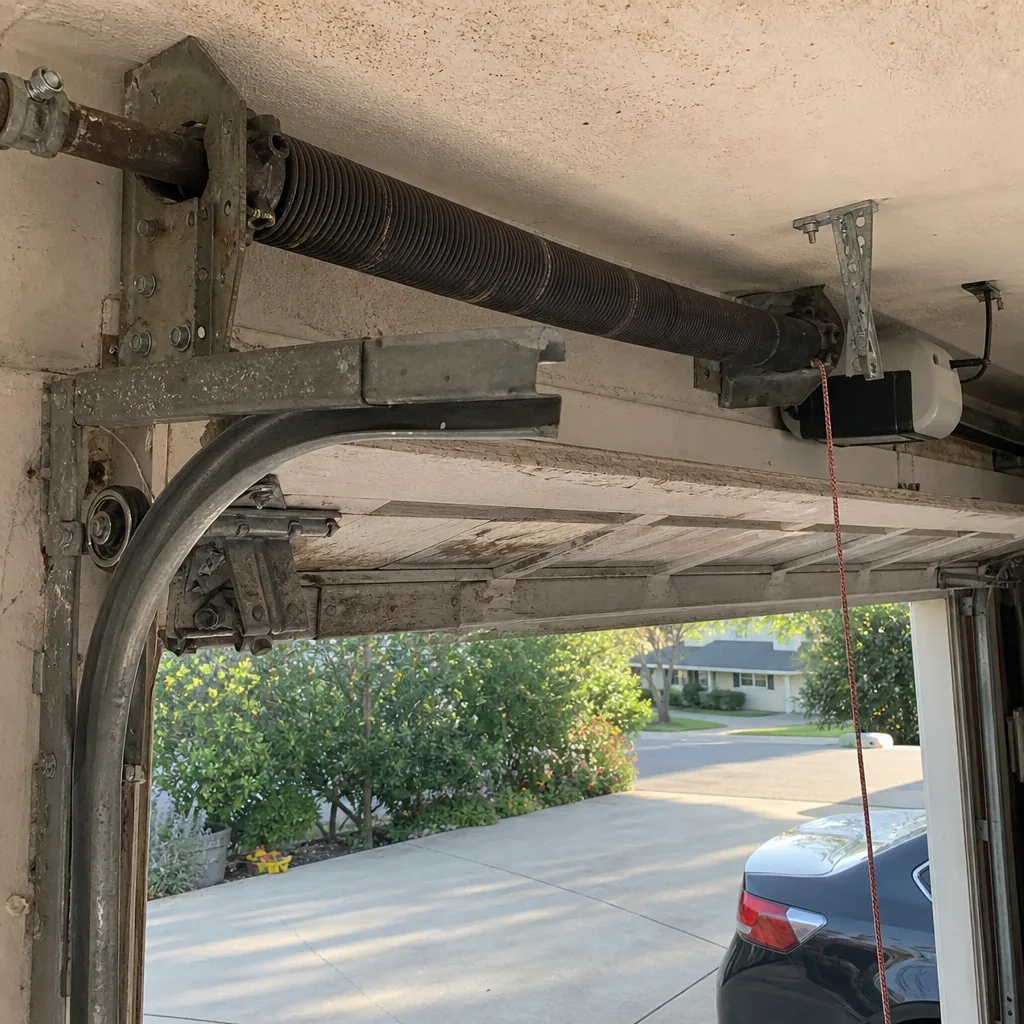 Before
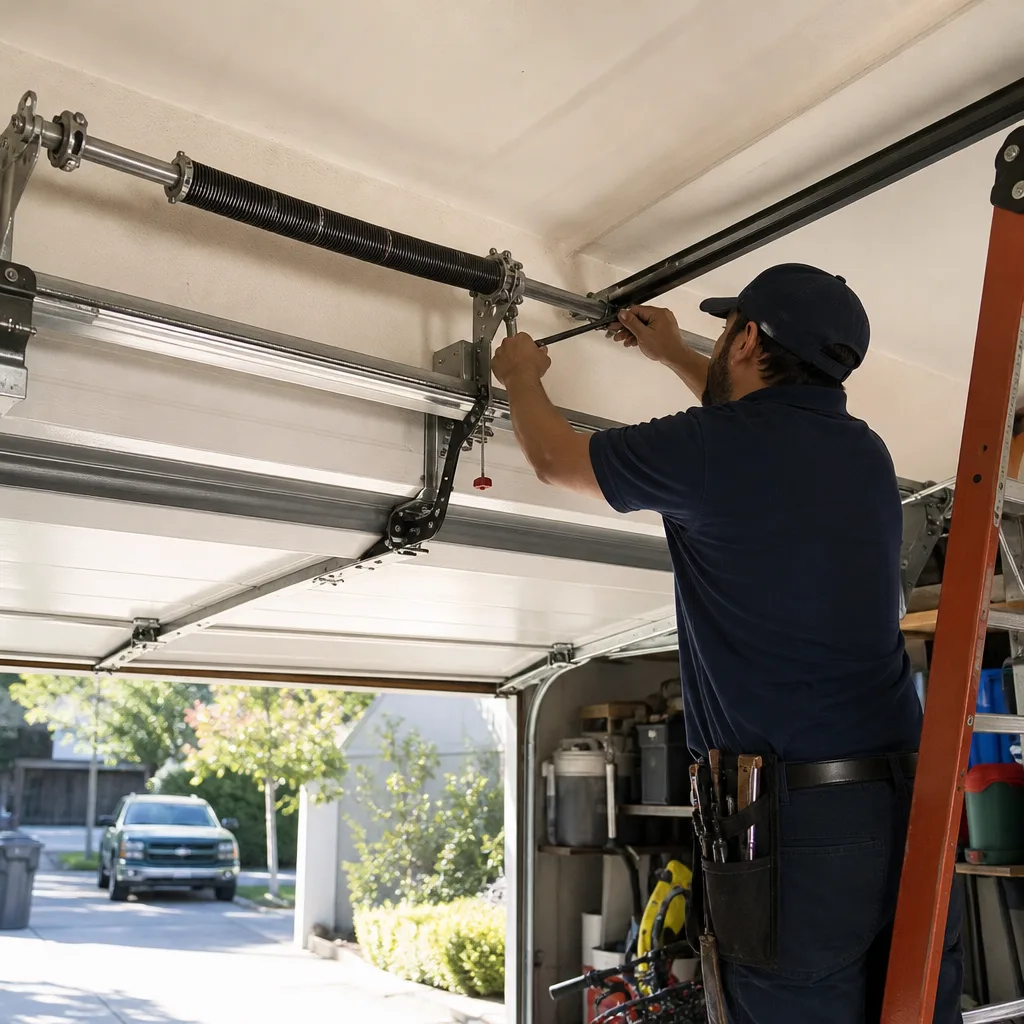 After
 Before
 After
 Before
 After