

Last updated October 31, 2026
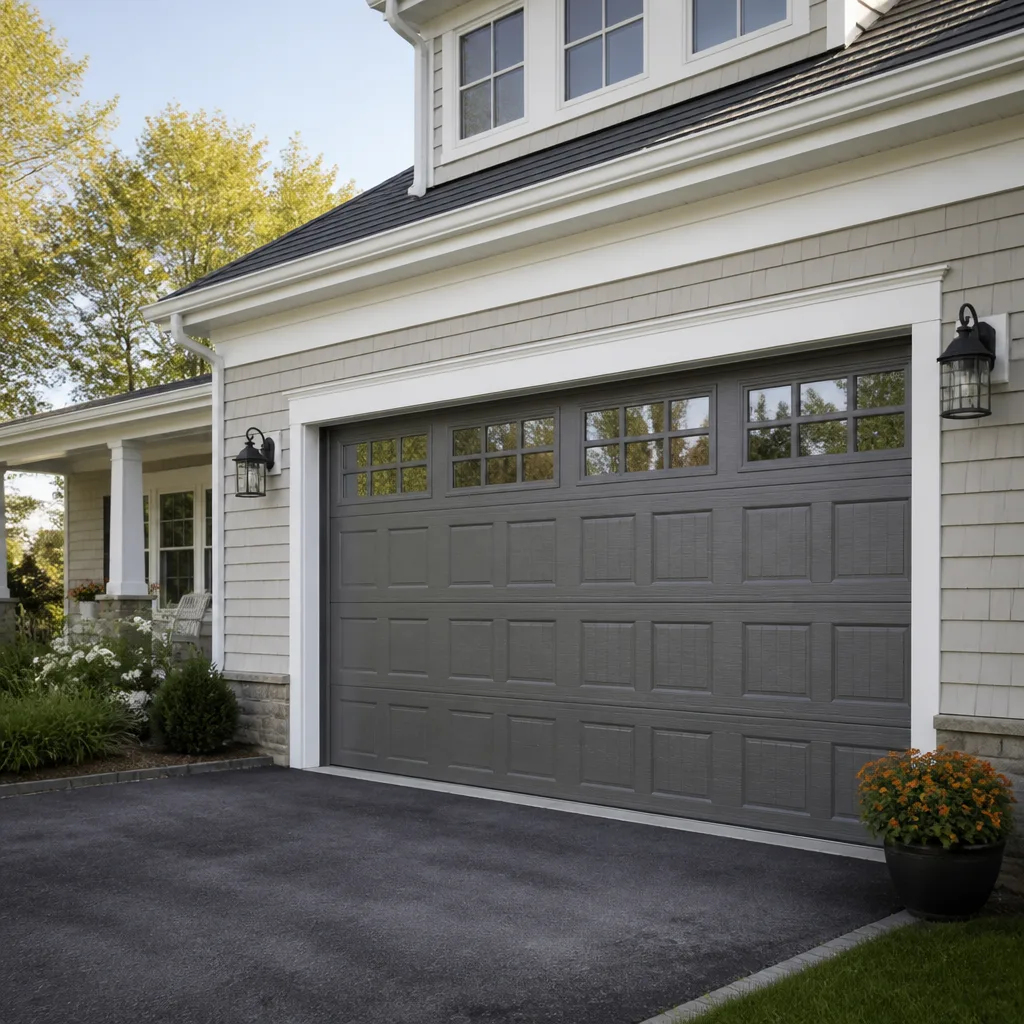
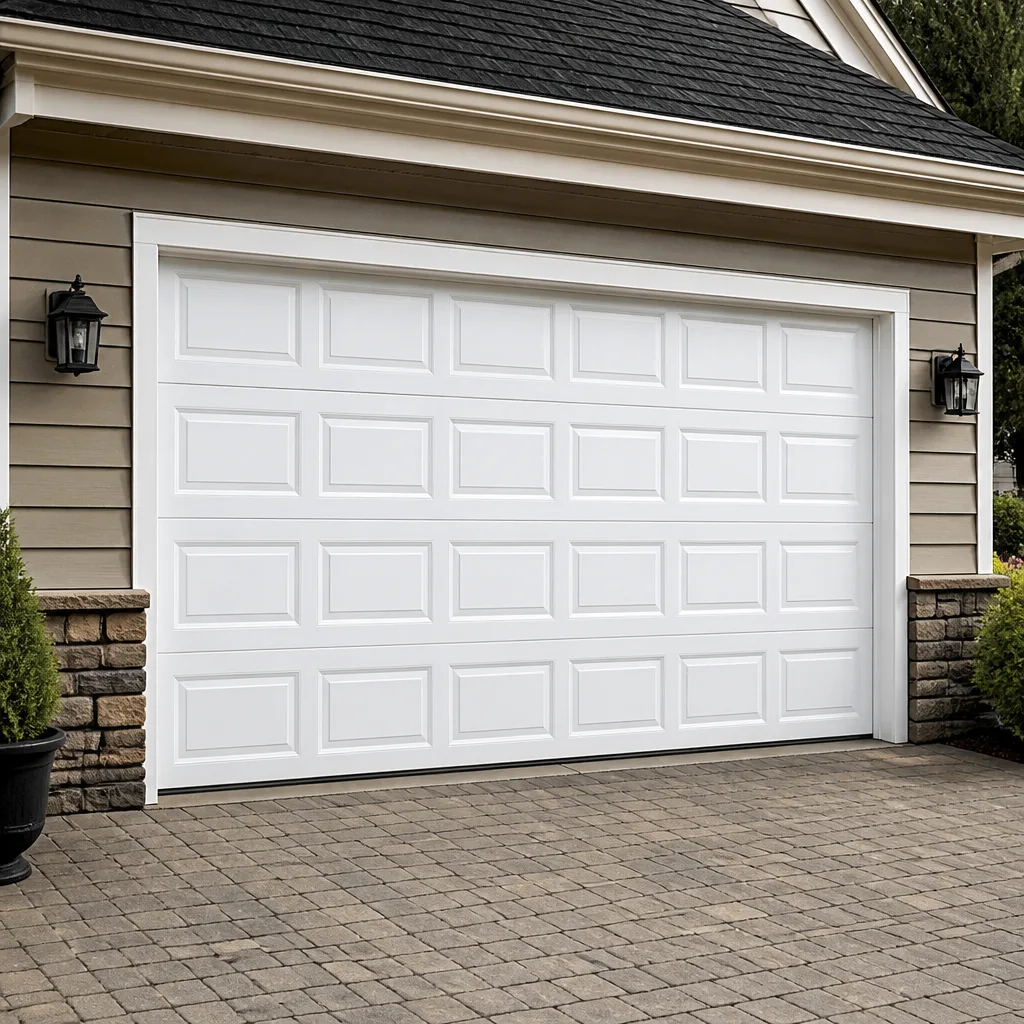 Raised-panel steel
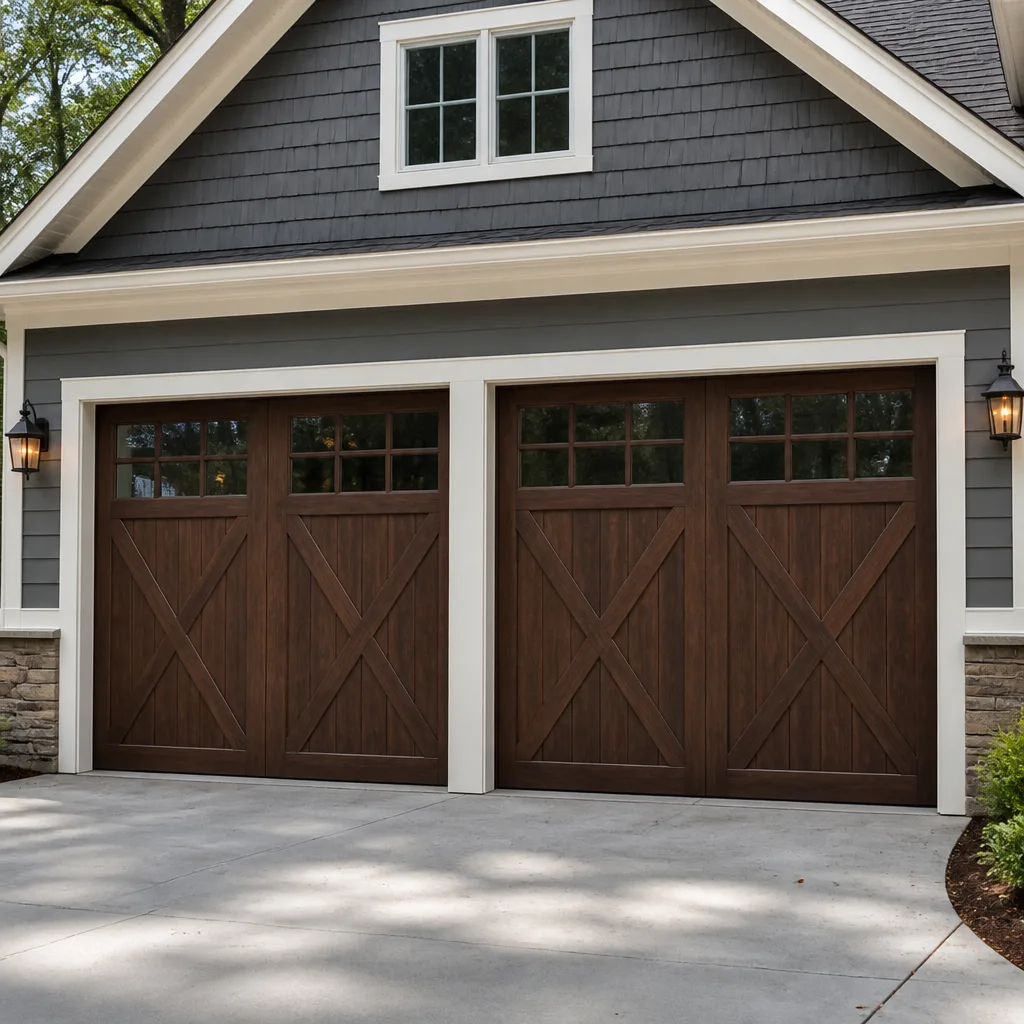 Carriage house
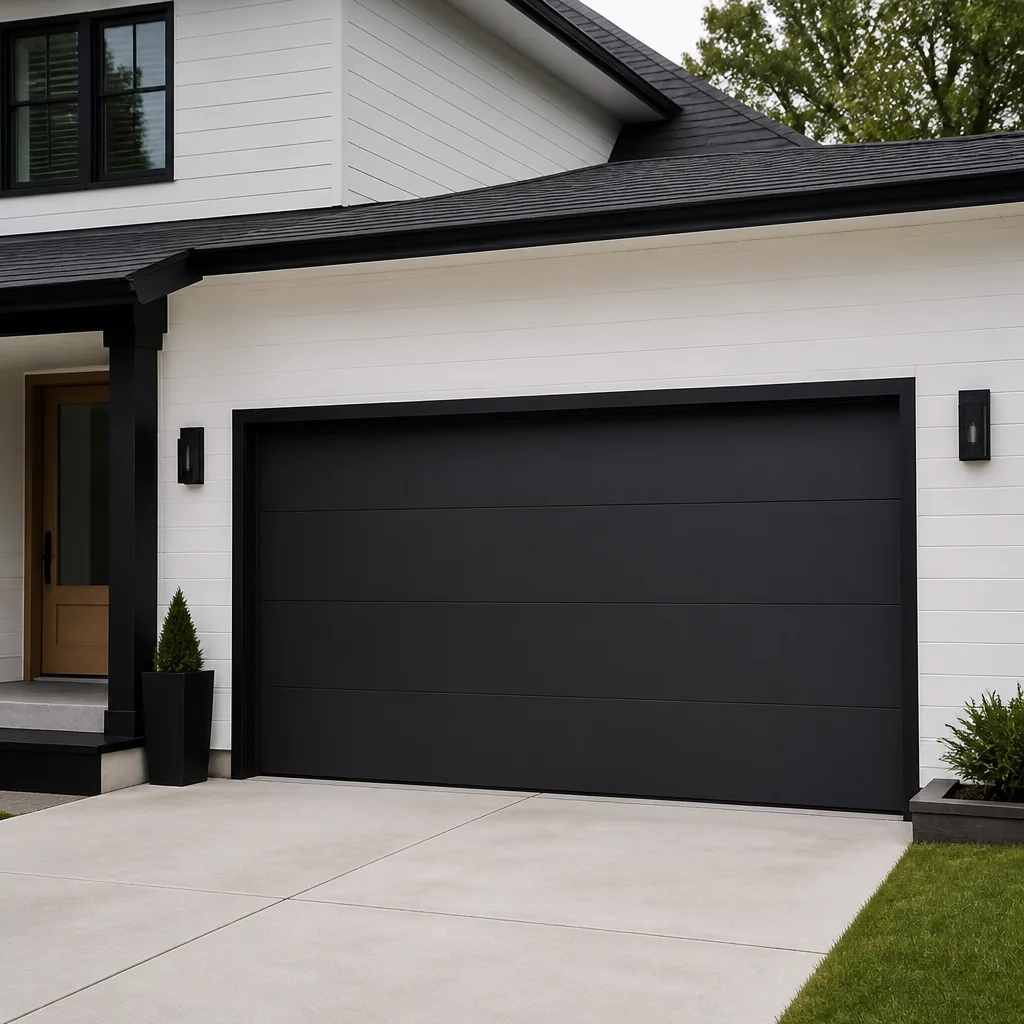 Modern flush
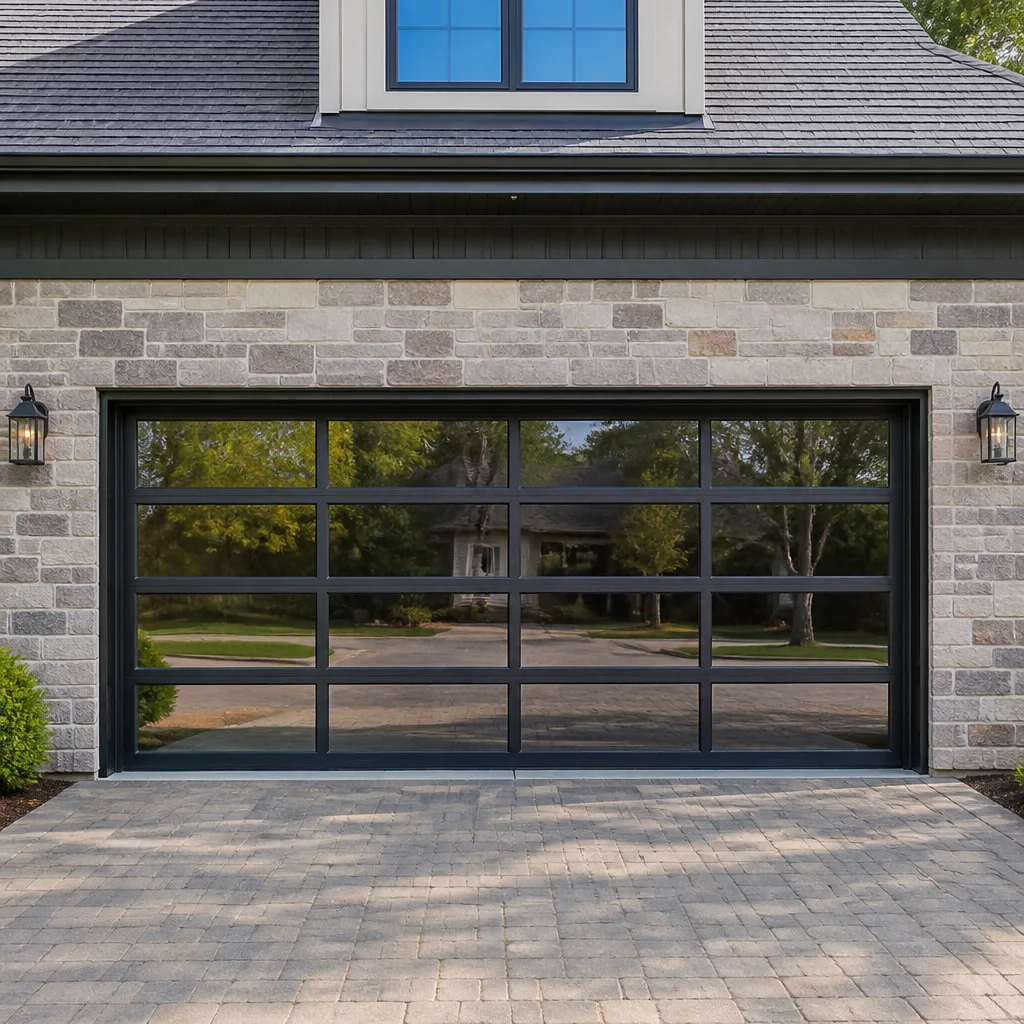 Full-view glass
 LiftMaster openers
 Chamberlain openers
Full 25-point door and opener safety check with every visit - springs, cables, rollers, tracks, and your LiftMaster or Chamberlain opener included
You get a price before we start. It does not change when the truck arrives.
Get your free estimateGarage Door Emergency Preparedness Guide for Pasadena Homes
During the 2020 Bobcat Fire evacuations, a number of Pasadena-area homeowners found themselves in a situation no one had planned for: their garage door wouldn’t open because the power had cut out, the opener had no battery backup, and the manual release cord had never been pulled once since the day they moved in. The cars that would’ve carried them out were trapped behind a door that had become, for all practical purposes, a wall. A five-second fix they’d never practiced turned into the reason they couldn’t leave. This guide treats your garage door as what it is in a Southern California disaster zone: critical home infrastructure. You’ll learn how to operate it under every failure scenario we’ve ever encountered, from earthquake-shifted tracks to wildfire-driven blackouts, and how to prepare now so you’re not learning these steps for the first time while adrenaline is pumping.
Quick Answer
Pasadena homeowners should prepare their garage door for emergencies by (1) testing the manual release cord monthly, (2) installing a battery backup opener if you live in a Public Safety Power Shutoff zone, and (3) knowing the post-earthquake inspection sequence before attempting to operate the door after seismic activity. The most essential skill is pulling the red release handle and physically lifting the door, which works even with zero electricity and takes under 30 seconds once you’ve practiced it.
Styles & brands we work with
Table of Contents
- How to Manually Open Your Garage Door During a Power Outage
- Battery Backup Openers: The Pasadena-Specific Case
- Post-Earthquake Garage Door Inspection Protocol
- Evacuation Scenario Planning: Securing an Open Door Fast
- Force Limits and Travel Limits: The Settings That Matter
- Pasadena’s Seasonal Threats and Your Door
- Common Mistakes to Avoid
- When to Call a Professional
- Frequently Asked Questions
How to Manually Open Your Garage Door During a Power Outage
The manual release mechanism is the single most underused safety feature on any garage door. Nearly every homeowner has seen the red cord dangling from the opener rail, and nearly every homeowner has never pulled it. In a blackout, that cord is the difference between a car you can use and a garage that’s become a storage locker. Here’s the procedure that works across LiftMaster, Chamberlain, Genie, and Craftsman openers, with the brand-specific nuance noted where it matters.
First, understand what the cord does: it disconnects the door from the opener trolley so you can move the door by hand. On every major brand, the principle is identical, though the release mechanism’s location and feel differ slightly. On LiftMaster and Chamberlain units, the cord hangs from a trolley assembly that rides the rail. On Genie models, the release is often a red knob you pull straight down from the carriage. On Craftsman openers, particularly older screw-drive units, the cord sits toward the front of the rail and requires a firm, decisive pull.
The step-by-step sequence:
- Ensure the door is closed. Never pull the release cord while the door is open. The door can slam down with enough force to injure someone or damage the door panels. Power outages often strike without warning, but if the door is already open when the lights go out, leave it open and skip to securing it manually rather than pulling the release.
- Pull the red release handle straight down with one firm motion. Do not yank and do not pull at an angle. A firm, vertical pull disengages the trolley. You’ll typically hear a distinct click when the trolley releases. On some models, you’ll need to pull the cord toward the door, not the motor, to fully release it.
- Lift the door by its handle. Most modern doors have a lift handle on the bottom panel. If yours doesn’t, grasp the door at the bottom edge with both hands, keep your back straight, and lift with your legs. A properly balanced door should feel heavy but manageable, roughly 8 to 15 pounds of lift force for a double door. If the door feels like it weighs 80 pounds or won’t stay up, the springs are failing and need professional attention.
- Prop the door open if you need it to stay up. A manually operated door that’s been properly balanced will stay in the raised position. If it drifts downward, use a sturdy object like a 2×4 cut to length or a dedicated garage door prop to hold it. A drifting door is a spring tension issue, not normal behavior.
- To return to automatic operation, close the door manually, then pull the release cord toward the door (or press the re-engage lever, depending on model). You’ll hear the trolley re-engage. Run a test cycle once power returns.
In our experience across Pasadena neighborhoods from Bungalow Heaven to Hastings Ranch, the failure point isn’t usually the release mechanism itself, it’s that homeowners have never touched it and freeze when the situation demands action. Practice this sequence once. It takes less than a minute and means that when the next Santa Ana wind event knocks out power to the foothills, you’re executing muscle memory instead of reading an owner’s manual by flashlight. If the release cord is missing, frayed, or won’t disengage, that’s a call to Garage Door Opener Repair in Pasadena to inspect the trolley assembly before you need it.
Battery Backup Openers: The Pasadena-Specific Case
Pasadena sits in a unique infrastructure position: the city’s grid is relatively stable, but the neighborhoods that climb into the San Gabriel foothills, areas like Hastings Ranch, Upper Hastings, and the streets bordering Eaton Canyon, fall under Southern California Edison’s Public Safety Power Shutoff (PSPS) zones. When wind events trigger fire danger thresholds, those zones lose power deliberately, sometimes for days. Since 2019, PSPS events have become an anticipated seasonal occurrence in the foothill communities that ring Pasadena. If your opener relies on wall power alone, every PSPS event means a dead garage door.
A battery backup opener solves this. The unit looks nearly identical to a standard ceiling-mount opener, but contains an internal battery that automatically takes over when line power drops. Here’s what to know before you buy:
- Runtime varies by model, not brand. LiftMaster and Chamberlain units with integrated battery backup typically provide enough power for 20 to 30 open-and-close cycles over a 24-hour period on a full battery. Genie’s battery backup systems offer comparable cycle counts. That’s more than enough for evacuation use, daily errands, and whatever else a multi-day outage requires.
- Battery health degrades with time. Most backup batteries carry a 1 to 3 year usable lifespan depending on how often they’re cycled. A battery that’s never been discharged degrades slower than one that’s been through multiple outages, but neither lasts forever. Test your backup monthly by unplugging the opener and running one full cycle. If the door moves sluggishly or the opener beeps a low-battery warning, replace the battery.
- Installing a battery backup means replacing the opener motor, not just adding a part. This isn’t a retrofit project. The backup battery is integrated into the motor housing. If your current opener is a non-backup model, you’ll replace the entire head unit. No exceptions across any brand we work with.
- Compatibility with smart features continues during backup operation. On myQ-enabled LiftMaster and Chamberlain units, the app still reports door status during an outage as long as your home’s Wi-Fi router has its own battery or backup power. On Genie’s Aladdin Connect platform, the same applies. The opener’s radio communication doesn’t depend on wall power.
We’re opener specialists in a city where the backup battery isn’t a luxury feature, it’s an evacuation tool. Pasadena homeowners in the foothill zones should treat battery backup the way they treat working smoke detectors: not optional, not deferrable, and worth replacing when the component’s service life ends. If you’re evaluating whether your current opener’s backup system meets your household’s evacuation needs, call a technician who can test the battery’s actual discharge capacity rather than just confirming the light comes on. Most batteries fail under load, not at idle.
Post-Earthquake Garage Door Inspection Protocol
Southern California seismic risk doesn’t end when the shaking stops. A garage door that survived the quake visually intact may have shifted tracks, loosened mounting brackets, or damaged spring components that fail catastrophically the next time the door cycles. Before you operate any garage door after a Pasadena-area earthquake, run through this inspection sequence. The entire protocol takes under five minutes and catches the failures that turn a functioning door into a two-hundred-pound hazard.
Step 1: Visual inspection of the tracks. Stand inside the garage and look at the vertical tracks on both sides of the door. The track should be straight, the gap between track and door should be consistent top to bottom, and the track mounts should sit flush against the wall. Any visible bowing, separation from the wall, or door rollers that aren’t seated inside the track means the door is unsafe to operate. Do not test the door manually or electrically.
Step 2: Check the spring assembly. Look at the torsion spring above the closed door. It should be straight, evenly coiled, and free of any visible gaps. A broken spring shows an obvious split in the coil, often accompanied by a loud bang you would have heard during or after the shaking. Torsion springs are under hundreds of pounds of tension even when the door is closed. If the spring looks damaged in any way, do not attempt to open the door, and certainly don’t touch the spring. This is a mandatory professional repair, not a DIY scenario.
Step 3: Test the balance manually. If tracks and springs look intact, pull the release cord and lift the door by hand to half height. A balanced door stays at the halfway point without assistance. A door that drops, slams upward, or binds is signaling a spring or track issue that the earthquake either caused or exposed. Lower the door gently and leave it closed.
Step 4: Run one automated cycle only if everything above passed. Use the wall button, not the remote. Stand inside the garage, not under the door. Watch the door move through the full open and close cycle. Listen for grinding, popping, or scraping sounds. Any new noise means stop immediately and call a garage door technician before using the door again.
In Pasadena, where the Sierra Madre Fault runs along the city’s northern edge and the Raymond Fault cuts through the San Gabriel Valley floor, post-earthquake door inspection isn’t paranoia, it’s standard practice. We’ve seen seismic events in this region shift doors by fractions of an inch, enough to cause roller derailment weeks later when the accumulated wear finally wins. The inspection takes five minutes. The failure it prevents can take a door off its mounts and into a car roof.
For a more comprehensive breakdown of what earthquake damage looks like on residential doors, see our Garage Door Repair in Pasadena page, which covers spring, cable, and track repair in detail.
Evacuation Scenario Planning: Securing an Open Door Fast
Evacuation orders in Pasadena’s foothill zones leave little time for decision-making. The scenario plays out like this: you’re leaving because a fire is moving, or an evacuation warning escalates to an order. The garage door is open because you were packing the car. Power is out or you don’t want to wait for the slow automatic cycle. You need the door closed and secured in seconds, not minutes. Or the inverse: the door is closed, power is out, and you have one chance to get the car out smoothly. Both scenarios require a plan that you’ve thought through before the emergency arrives.
Securing an open door without power: Pull the release cord while the door is at full open. The door will be free to move by hand. Most balanced doors will stay at the open position, but you want to close it. Grab the door at the bottom edge and walk it down. If the door is too heavy to lower safely, check that you’ve actually disengaged the opener, the release cord can catch partially and leave the door fighting the motor. Lower the door all the way to the ground. Once closed, the door’s own weight holds it down in normal conditions. For additional security during evacuation when the home will be empty, slide a padlock through the release track or use the manual slide bolt lock most doors have on the interior track. This prevents the door from being opened from outside by someone forcing the top panel.
Getting an open door closed when the opener works: If you have power and the opener functions, use the wall button and stand clear. The door closes in roughly 15 to 20 seconds on most modern openers. The moment it touches the ground, hit the lock button on your wall console if you have one. This prevents remote-code entry and rolling-code cloning attempts while you’re away. Most LiftMaster, Chamberlain, Genie, and Craftsman wall consoles built since 2010 include a lock feature.
The evacuation rule we repeat constantly: never leave a garage door half-open. A half-open door is an invitation, a wind sail in high gusts, and a structural vulnerability if aftershocks or fire-generated winds hit. Full open or full closed, never in between.
If you want your door to have a manual slide lock but your current door doesn’t have one, that’s an installation item. Any set of Garage Door Installation in Pasadena options includes doors factory-equipped with interior slide locks, and we’d suggest considering one if your current door predates those standard features.
Force Limits and Travel Limits: The Settings That Matter
Every automatic garage door opener has two safety adjustments that most homeowners have never heard of, and those two settings determine whether your door performs correctly when it matters most. Force limits control how hard the opener pushes or pulls the door before reversing. Travel limits control exactly where the door stops at full open and full closed. Both drift or get mis-set over the life of the opener, and both are checked as part of a proper annual inspection.
Force limits: Set too high, the opener will keep driving even when the door meets an obstruction. A child, a pet, a bicycle, anything in the path gets the door’s full power applied before the reversal kicks in. Set too low, the door reverses randomly mid-travel because it thinks it’s hitting something. The correct setting allows the door to complete a full cycle with no load, then reverse immediately with just a few pounds of resistance. Federal safety standards mandate that openers manufactured since 1993 include an automatic reverse, but that feature depends on correctly calibrated force limits. A door with a properly calibrated force setting reverses if it meets a 2×4 laid flat on the ground. Test this annually.
Travel limits: These determine where the door stops. If the down travel limit is set too far, the door slams into the concrete and bounces back up, which grinds the gear and sprocket or strips the belt teeth over time. If the up travel limit is too far, the door gets driven past full open into the rail, bending components and stressing the opener motor. Correct travel limits mean the door seals against the ground with no visible compression, and reaches full open with the bottom panel level with the header.
In our experience across the Pasadena area, force and travel limits are the most commonly mis-set adjustments on residential openers. They’re usually not damaged, just drifted. A technician can recalibrate both settings in under 15 minutes on any of the eight brands we work with. If you’re comfortable reading your opener’s manual, the adjustment screws or buttons are accessible on the motor head, but if you’re in doubt, have the calibration done professionally. Mis-set force limits are a safety hazard, not a minor annoyance.
Pasadena’s Seasonal Threats and Your Garage Door
Pasadena’s disaster profile isn’t a single threat, it’s a calendar. Each season brings a specific set of conditions that stress different components of your garage door system, and the prepared homeowner adjusts accordingly. Understanding the seasonal pattern is what separates a door that survives from one that fails at the worst possible moment.
Santa Ana wind season (September through January): The same winds that drive PSPS shutdowns in the foothills also stress doors physically. A standard 16-foot double garage door catches wind like a sail. In the Altadena-adjacent neighborhoods and foothill communities of Pasadena, sustained 40 to 60 mph gusts translate to hundreds of pounds of static pressure against a closed door. The stress concentrates on the panel joints, the roller brackets, and the center support strut if one is installed. Doors without a reinforcement strut on the top panel flex visibly in strong winds. That flex cycle, repeated across multiple wind events, fatigues the panel material and can crack wood or composite doors, or buckle thinner steel panels.
Rainy season (December through March): Pasadena averages roughly 20 inches of rain annually, concentrated in a handful of storm events. The bottom seal on a garage door, a rubber or vinyl strip that compresses against the concrete, wears and loses its effectiveness over 3 to 5 years. Once the seal is worn, water runs under the door during heavy rain, soaking whatever’s stored on a garage floor. The fix is cheap and quick, but most homeowners don’t realize the seal has failed until the first big storm of the year leaves a puddle in the garage. Replace the seal before the rainy season starts, not during it.
Earthquake readiness (year-round, but especially after a notable event): The post-earthquake protocol described earlier in this guide applies every single time, no matter how minor the shaking felt. A magnitude 4.5 centered in the San Gabriel Mountains produces different forces in Pasadena neighborhoods than a magnitude 6.5 on a distant fault, but both can shift track alignment by enough to cause a derailment. Run the inspection after any quake you felt, period.
Wildfire season (June through November): The Bobcat Fire of 2020, which burned over 115,000 acres and forced evacuations in the foothills north of Pasadena, is the reference case for this region. The fire itself didn’t enter the city, but its smoke and ash did, and its evacuation footprint taught a generation of local homeowners about the value of a garage door that works in a blackout. Ash and soot during fire season also clog photo-eye safety sensors on either side of the door opening. If your door refuses to close and reversing for no apparent reason during wildfire season, clean the sensor lenses first, it’s usually ash accumulation, not an electrical fault.
Amarr and Clopay both manufacture doors with reinforced wind-load options and heavier gauge steel that hold up well in the foothill wind zones. Wayne Dalton and Craftsman offer solid mid-range options for the Pasadena market. The right door for your home depends on your specific exposure: a home on a ridgeline in Hastings Ranch faces different wind loading than a bungalow in Madison Heights. Brand matters less than matching the door’s construction to the conditions it will actually face.
For a full walkthrough of what current door options cost and what makes sense for specific Pasadena neighborhoods, start with our Stonewall Garage Door Repair home page and follow the installation resources from there.
Common Mistakes to Avoid
- Never pulling the manual release cord until an emergency. The cord’s location, the force required, and the feel of the mechanism should be familiar before you need them. In a blackout with a flashlight in your mouth and your family waiting in the car, unpracticed fumbling costs minutes you don’t have.
- Pulling the release cord while the door is open. This is the most common dangerous error we see. An open door disconnected from the opener can slam to the ground with enough force to break bones or crush anything beneath it. The release exists to be pulled when the door is in the fully closed position.
- Assuming a battery backup opener from 2015 still has a functional battery. Backup batteries wear out whether the opener is used or not. A seven- or eight-year-old battery is likely to be a paperweight. Test it under load, not just by looking for the indicator light.
- Operating the door after an earthquake without a visual inspection. Seismic forces shift track alignment invisibly. Running the door immediately after shaking risks derailing a roller and dropping the door, turning a functional door into a multi-hundred-pound repair that requires immediate professional replacement.
- Using the opener remote during an emergency instead of the wall button. The wall button gives you a clear view of the door’s full travel. The remote encourages operating the door while walking away or looking elsewhere. In an emergency, you want eyes on the door from start to finish.
- Leaving the garage door in a half-open position during an evacuation. A half-open door is the worst possible state: structurally unsupported against wind, visible as an entry point, and functionally useless for both getting out and securing the home. Full open or full closed only.
- Skipping the annual spring balance test. A door’s spring system loses tension gradually. The door that feels “a little heavier” today will be a two-person lift or a broken spring by next year. Testing balance takes 30 seconds and tells you exactly when the springs are approaching the end of their service life.
When to Call a Professional
Some garage door work is genuinely DIY. The manual release pull is DIY. The post-earthquake visual inspection is DIY. Cleaning photo-eye lenses is DIY. But the moment the issue involves the spring assembly, track realignment, cable replacement, or opener adjustments beyond the basics, the risk profile shifts from “homeowner maintenance” to “call someone who does this every day.” Torsion springs carry enormous stored tension. Cables run through pulleys under that same load. The margin for error on spring or cable work is measured in inches and fractions of a second, and the cost of a mistake is a trip to the emergency room.
Professional attention is warranted when the door is visibly off-balance, when any spring shows a gap in its coil, when cables are frayed or have jumped a pulley, or when the opener is making noise you can’t identify. These are not conditions a homeowner should troubleshoot. Stonewall Garage Door Repair offers free estimates in Pasadena, call (855) 740-8388. We work on the brand already on your garage, whether it’s a Clopay door from 1998 or an Amarr system installed last year.
Frequently Asked Questions
Pull the red release cord hanging from the opener rail to disengage the door from the motor, then lift the door by hand using the bottom handle. The release cord should only be pulled when the door is fully closed. A balanced door will stay open on its own, and you can re-engage the opener by pulling the cord again once power returns. Call Stonewall Garage Door Repair at (855) 740-8388 if the door is too heavy to lift manually, the springs likely need professional attention.
Yes, a battery backup opener runs on its internal battery during power shutoffs and can complete 20 to 30 open-and-close cycles on a full charge. The battery recharges automatically when line power returns. Foothill neighborhoods in Pasadena that experience PSPS events should consider battery backup essential rather than optional. We can test your existing backup battery’s health if you’re not sure it’s still holding a charge.
Inspect the tracks for bending or separation from the wall, look at the torsion spring for gaps or misalignment, and test the door’s balance by opening it manually to the halfway point. If any of these checks fail, leave the door closed and call a professional before cycling the door again. Shaking can shift alignment invisibly, and running the door after a quake risks derailing it. Call us at (855) 740-8388 for a post-earthquake inspection.
Test the manual release cord monthly. Pull the cord while the door is closed, lift the door halfway, lower it, and re-engage the opener. This takes under two minutes and ensures both that the mechanism works and that you know how to execute the procedure without thinking. Monthly testing also catches spring balance issues early, before the door becomes too heavy to lift safely.
Ash and soot from nearby fires often accumulate on the photo-eye safety sensors at the base of the door opening, causing the door to reverse. Wipe both sensor lenses with a clean cloth and try again. If the door still won’t close, check for debris in the tracks or call a professional. We see this issue regularly in Pasadena during fire season, and it’s usually a simple fix. Call (855) 740-8388 for same-day sensor cleaning in most cases.
No, battery backup is integrated into the opener motor and cannot be added as a retrofit to a non-backup model. If your current opener doesn’t have the feature, replacing the entire motor head is the only path to backup power capability. We can walk you through current options from LiftMaster, Chamberlain, and Genie that match your existing door’s weight and balance. Estimates are free, call (855) 740-8388.
The Bottom Line
The garage door is the largest moving object in your home, and in Pasadena’s specific emergency profile, it’s also the difference between leaving and staying put. Test your manual release monthly, install battery backup if you’re in a PSPS-affected foothill neighborhood, and run the post-earthquake inspection every time the ground shakes. Force and travel limits deserve an annual check, and the seasonal threats here, wind, rain, fire, and seismic, each demand a specific preparation rhythm. These are all learnable, doable, and cheap compared to the cost of learning them during an evacuation. Garage Door Installation in Pasadena resources and repair support are available when your current door’s preparation requirements exceed what maintenance can address. One call, full solution.
Written by the team at Stonewall Garage Door Repair, serving Pasadena since 2013.
See the difference
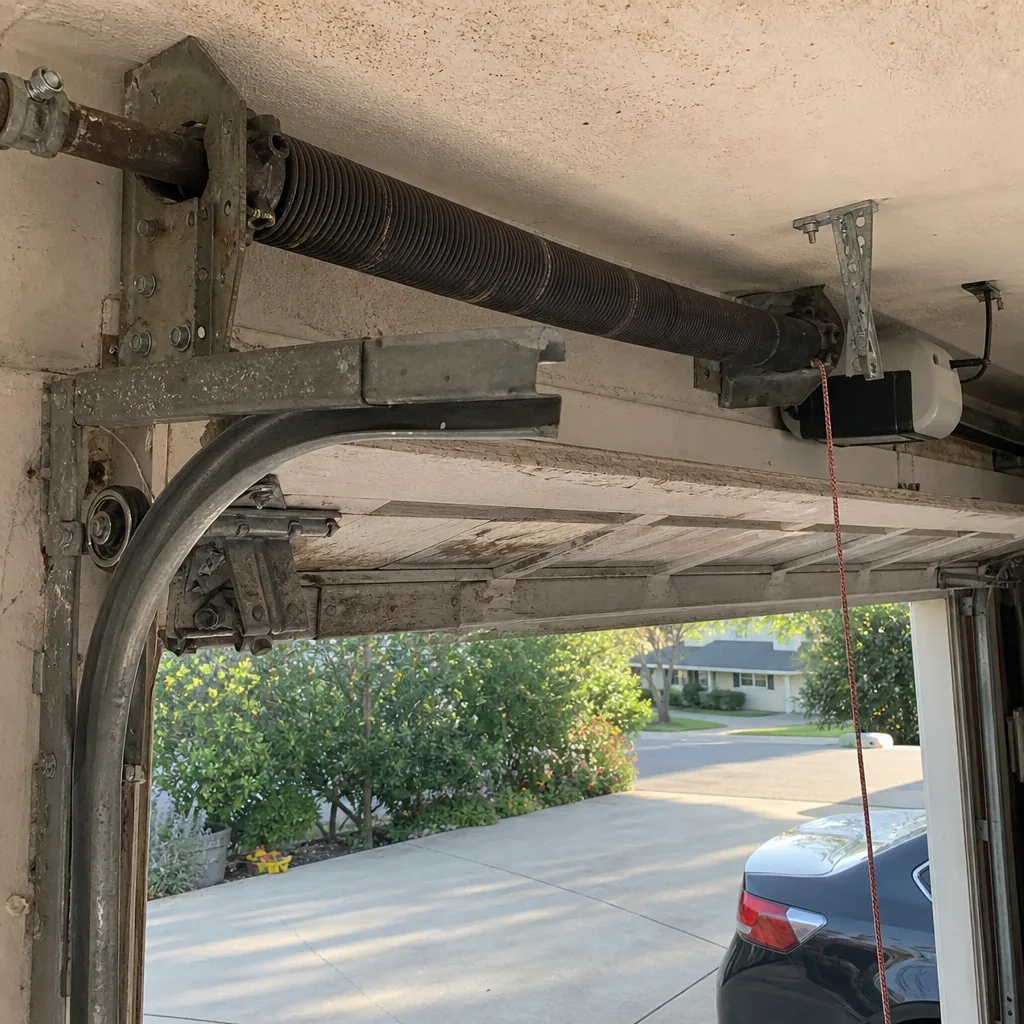 Before
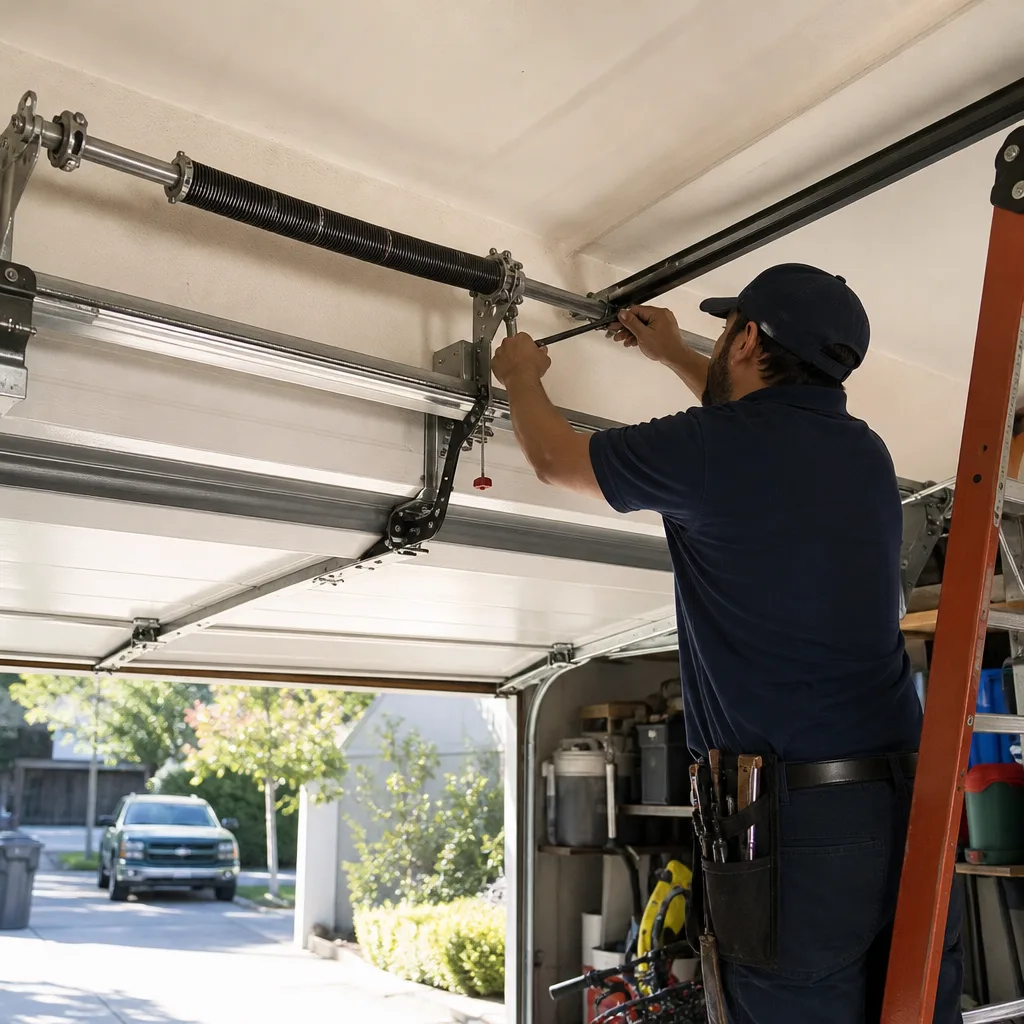 After
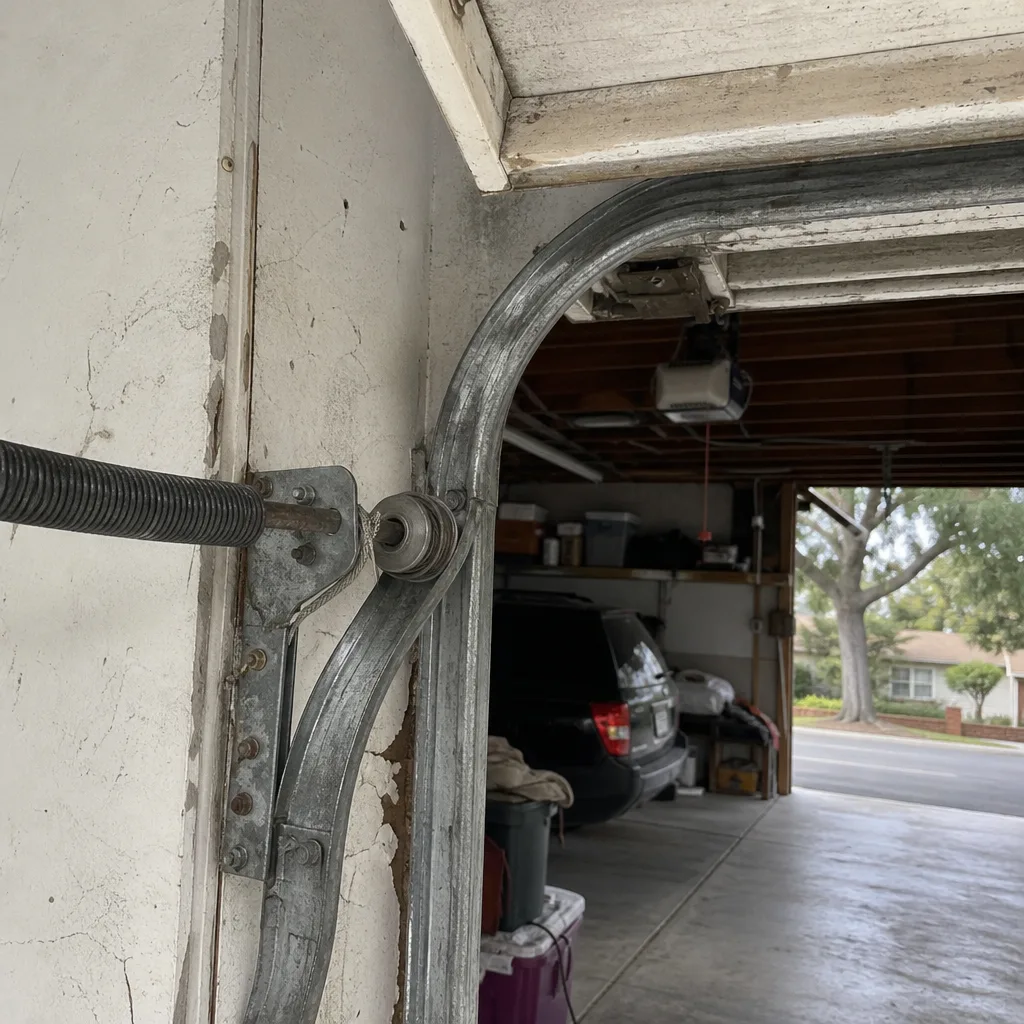 Before
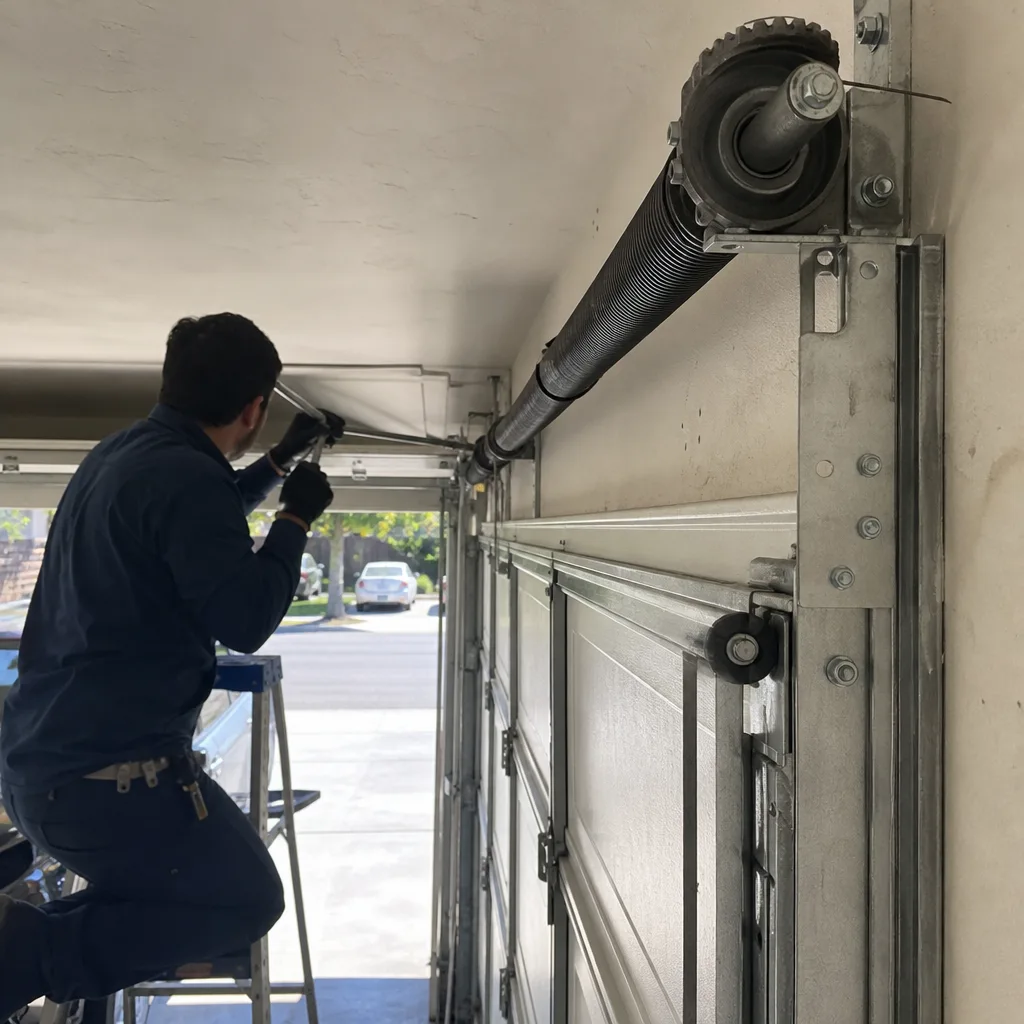 After
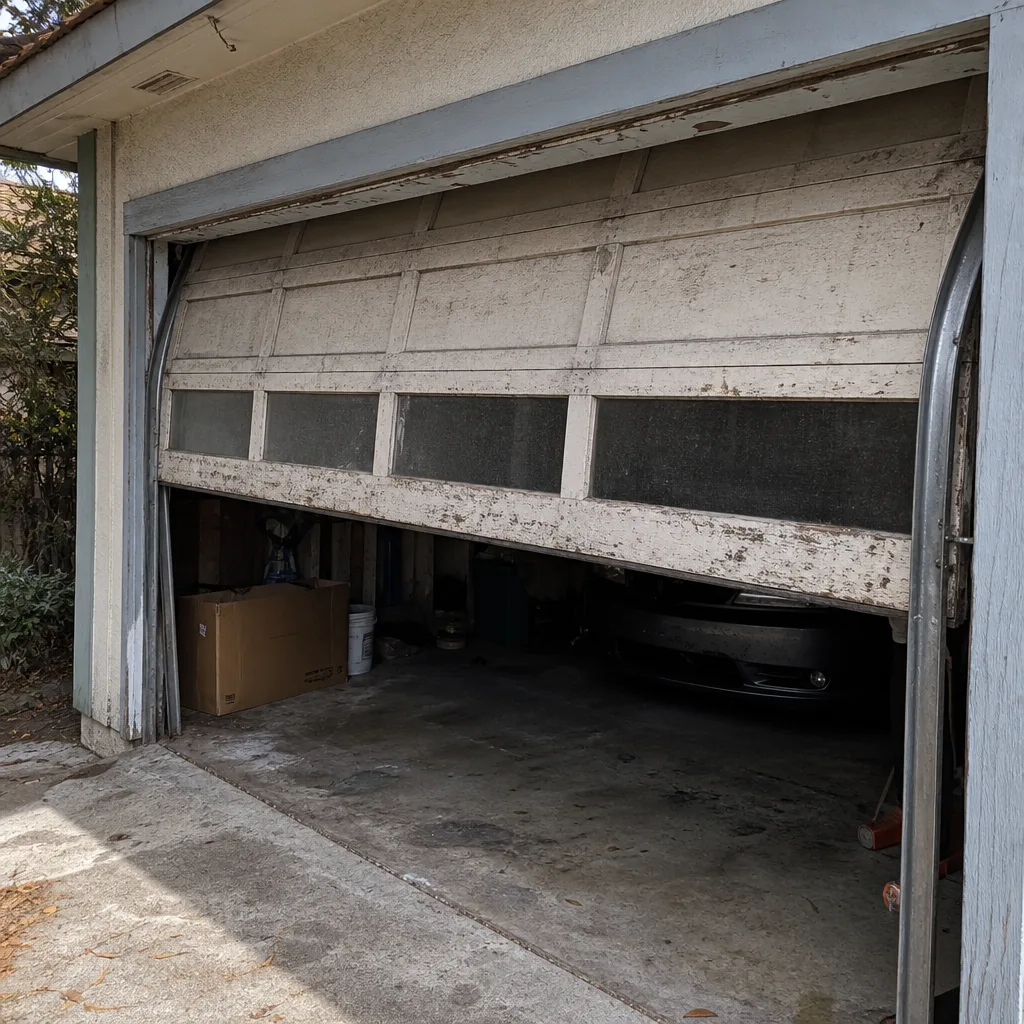 Before
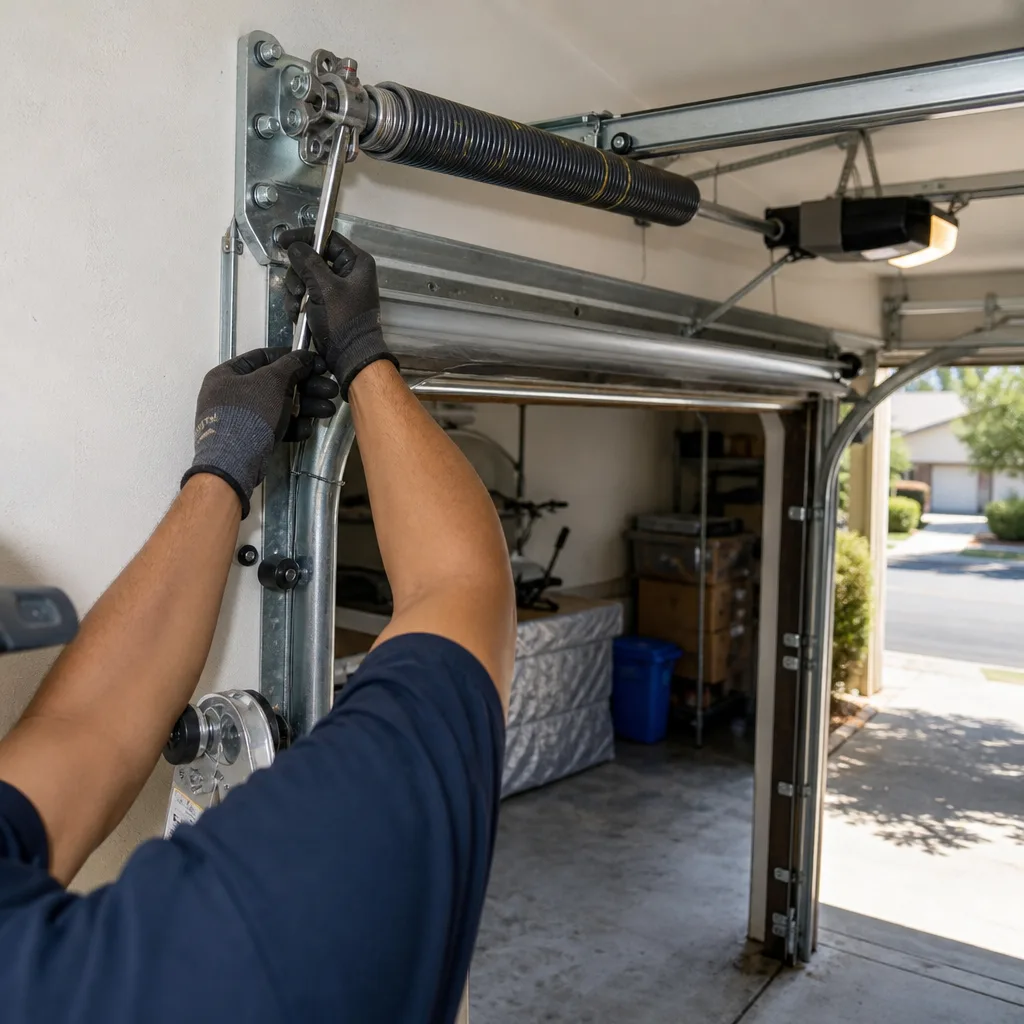 After