

Last updated October 31, 2026
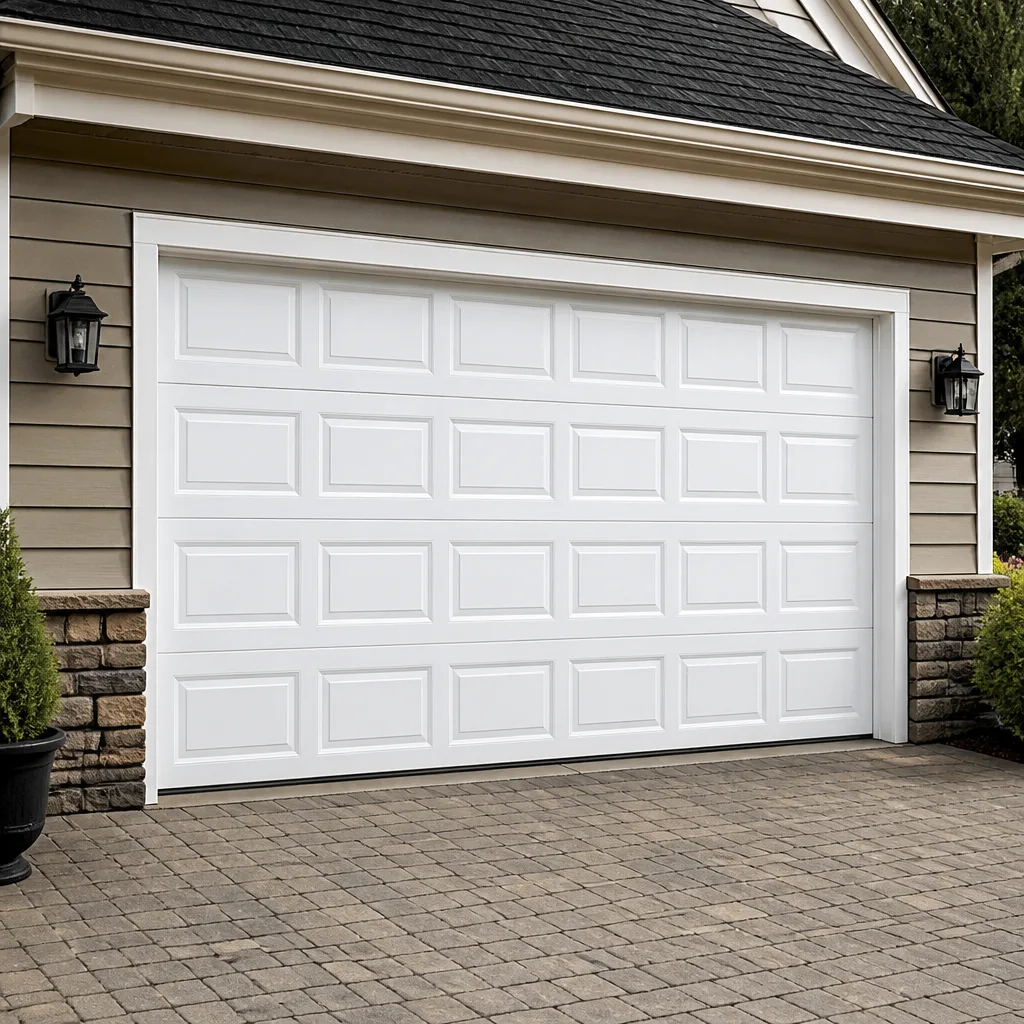 Raised-panel steel
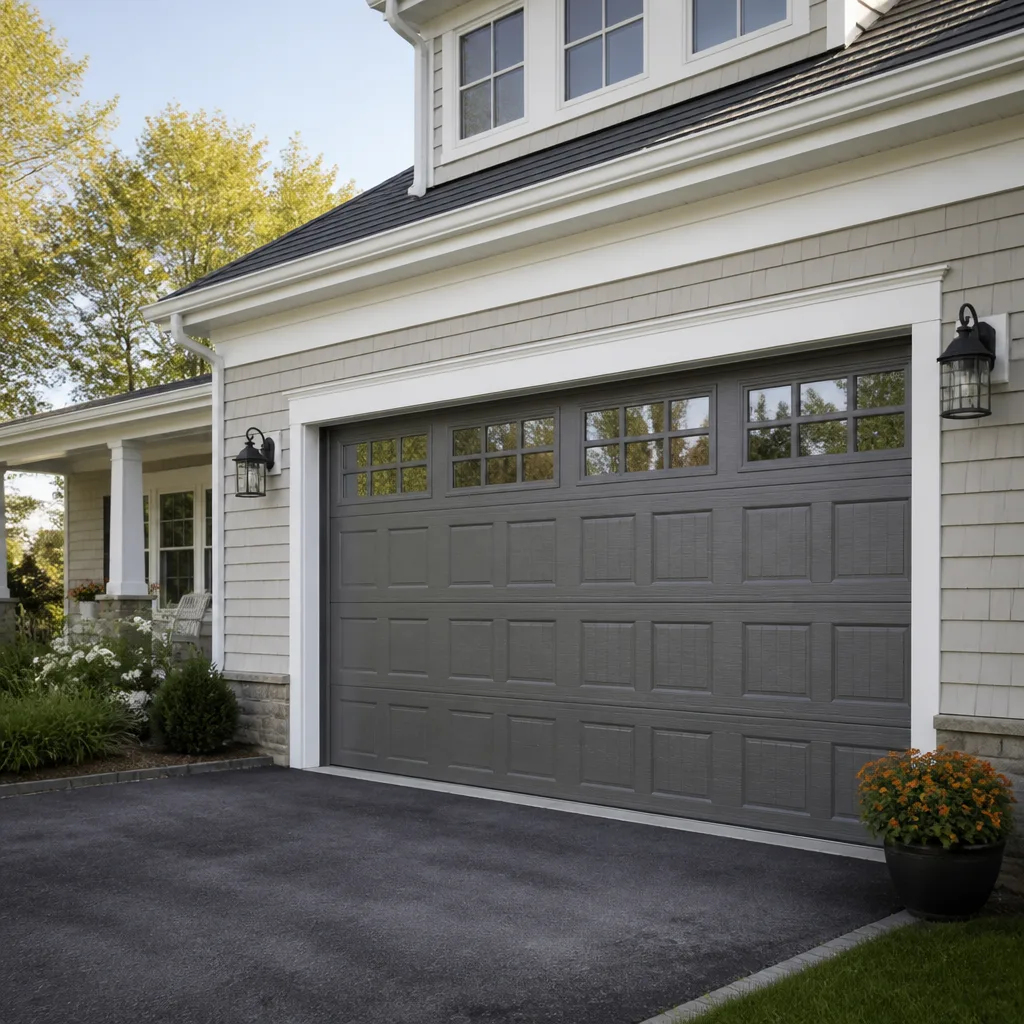
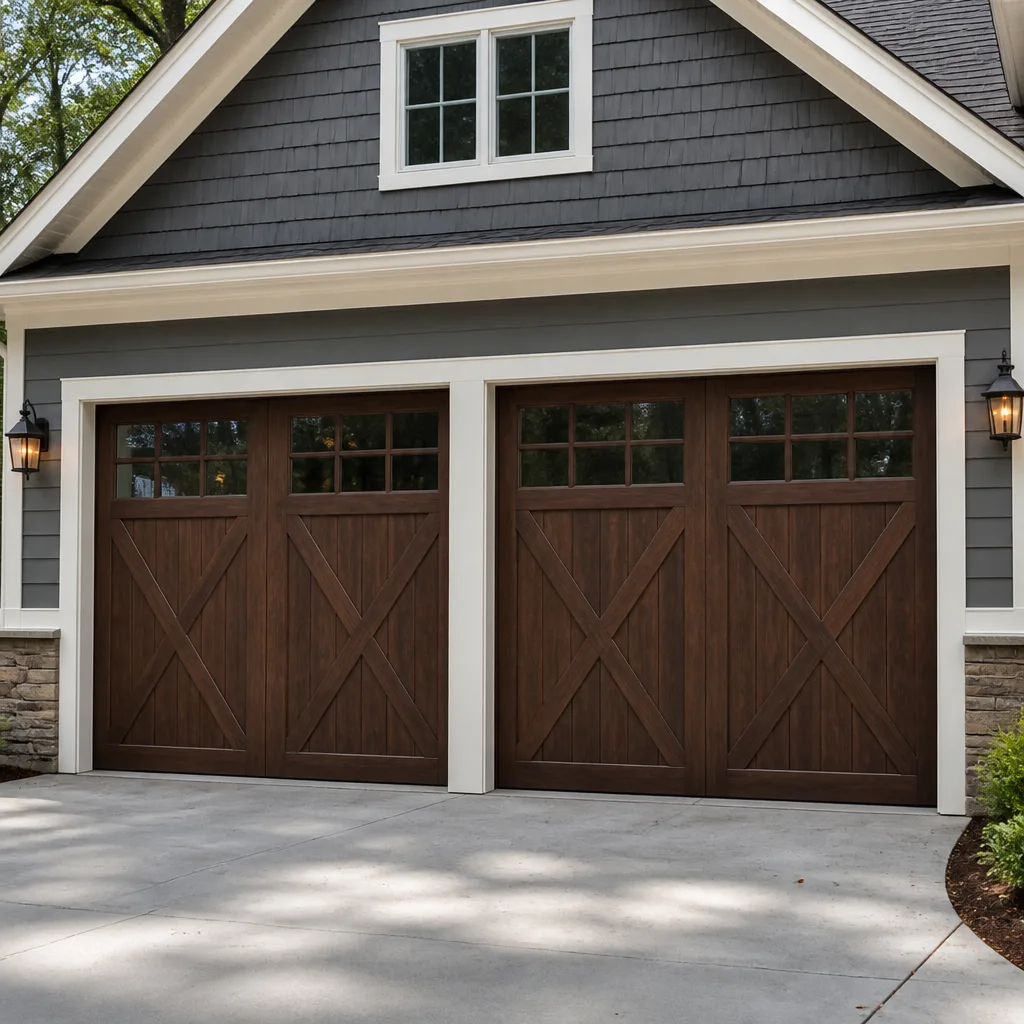 Carriage house
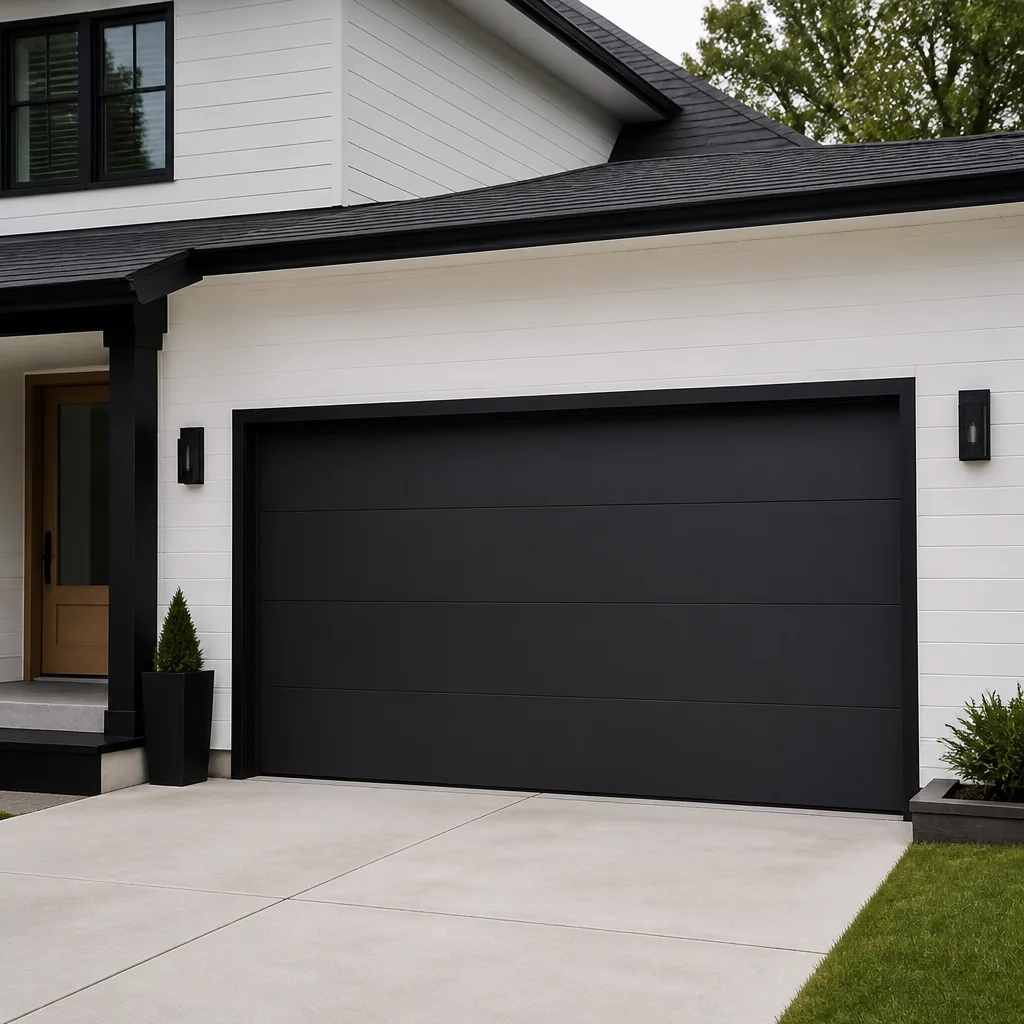 Modern flush
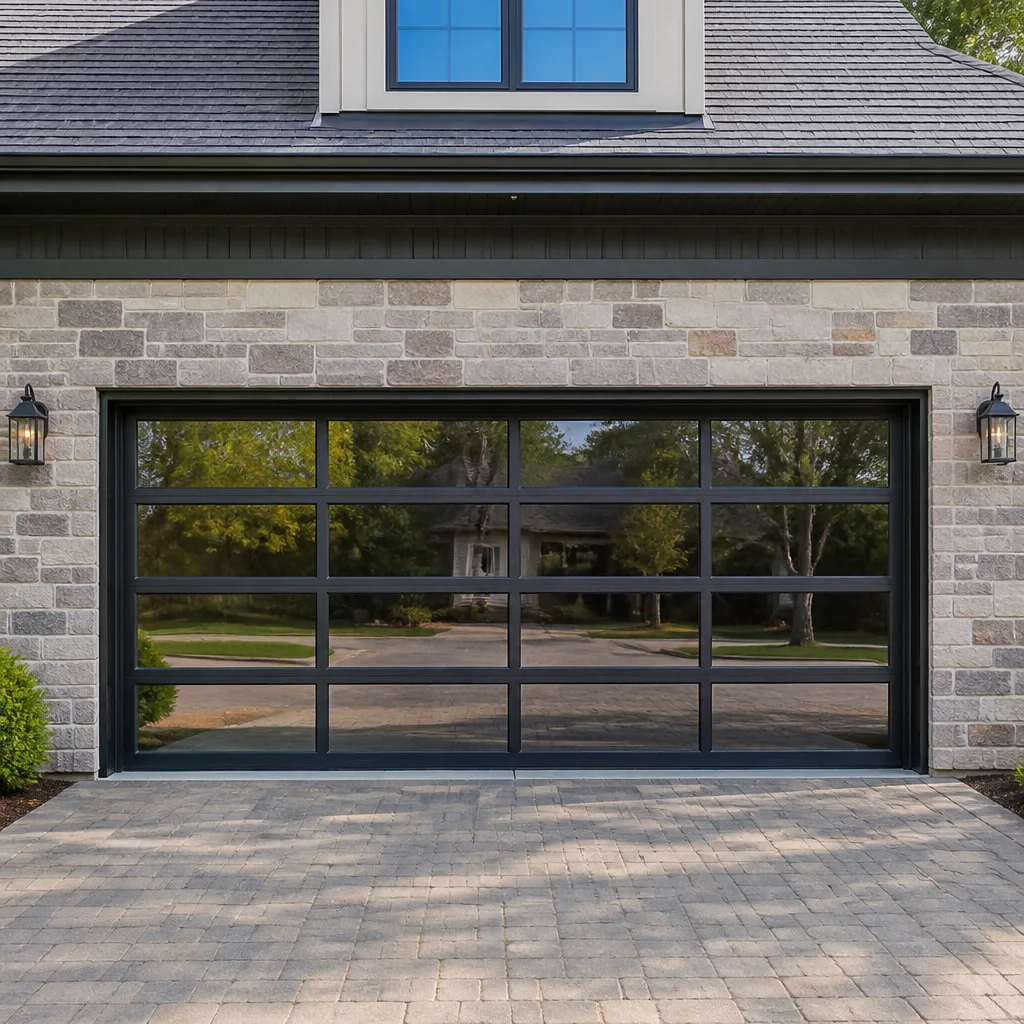 Full-view glass
 LiftMaster openers
 Chamberlain openers
Full 25-point door and opener safety check with every visit - springs, cables, rollers, tracks, and your LiftMaster or Chamberlain opener included
You get a price before we start. It does not change when the truck arrives.
Get your free estimateSeasonal Garage Door Care for Pasadena: Year-Round Homeowner’s Guide
The Santa Ana wind events that roll through Pasadena every fall put more lateral stress on garage door hardware in 72 hours than the rest of the year combined, and almost no homeowner prepares for it. They tighten the patio furniture, clear the gutters, maybe move the potted plants. The garage door, the largest moving object on the house, gets ignored until a roller pops out of the track during a 50-mph gust. This guide gives you a month-by-month maintenance rhythm calibrated to Pasadena’s actual climate pattern, and you can find The Complete Guide to Garage Door in Pasadena for additional context: June gloom humidity, peak-summer UV and heat, fall wind season, and winter rain intrusion. No snow-belt advice. No generic spring-cleaning filler. Just the tasks that matter, when they matter, for doors in this specific city.
Styles & brands we work with
Quick Answer
Seasonal garage door care in Pasadena comes down to four distinct stress periods: June gloom calls for lubricating and rust-checking metal components, summer heat requires torsion spring tension checks, fall demands Santa Ana wind preparation for tracks and seals, and winter rain means testing the bottom threshold against water intrusion. A homeowner who spends 20 minutes per season on these targeted tasks will typically get years more life from a door that Pasadena’s sun, wind, and rain cycles would otherwise wear down prematurely.
Table of Contents
- June Gloom: The Humidity Season Nobody Talks About
- Summer Heat: Why Your Door Feels Heavier in August
- Santa Ana Wind Season: The 72-Hour Stress Test
- Winter Rain: Pasadena’s Garage Floor Grades and Water Intrusion
- Spring Post-Rain Inspection: Wood Swelling and Panel Damage
- The Pasadena Month-by-Month Reference Card
- Common Mistakes to Avoid
- When to Call a Professional
- Frequently Asked Questions
- The Bottom Line
June Gloom: The Humidity Season Nobody Talks About
Pasadena’s May gray and June gloom bring marine layer moisture that sits against metal for hours every morning. Homeowners think of humidity as a tropical problem, but condensation on a cool steel track at 6 a.m. does the same work as a rainstorm in New Orleans: it starts oxidation. The difference is that Pasadena residents don’t notice because it evaporates by noon and never leaves a puddle.
What actually degrades in this window:
- Roller bearings. Sealed bearings hold up. Unsealed steel rollers, which are still on plenty of older doors in Pasadena homes built before 1990, collect moisture and start grinding. You’ll hear it as a low rumble when the door moves.
- Hinges and bracket bolts. Surface rust here isn’t structural yet, but it seizes threads. A bolt that rusts in place becomes a problem the next time the door needs realignment.
- Extension spring coating. The thin zinc coating on extension springs is sacrificial. Moisture accelerates the sacrifice.
Your June Gloom Checklist
- Wipe down the tracks with a dry cloth after a few consecutive damp mornings. You’re checking for orange residue, not cleaning for cosmetics.
- Inspect all visible rollers. If you see flaking or rust blooms on the wheel surface, replace them before they bind.
- Check the bottom seal for mildew. Pasadena’s morning moisture collects on the rubber at the floor line. Mildew there means the seal is trapping water against the door face instead of shedding it.
- Lubricate hinges and springs with a silicone-based garage door lubricant. Skip WD-40. It displaces moisture but leaves no protective film. We’ve pulled too many doors apart in Pasadena where WD-40 was the only maintenance for a decade, and every moving part was dry.
This 20-minute ritual in May or early June prevents a surprise failure in September. A rusted roller that grinds through the summer will seize the first time lateral pressure hits it during a Santa Ana event. More on that below.
Summer Heat: Why Your Door Feels Heavier in August
The question hits our Stonewall Garage Door Repair home line every August: “Why is my door suddenly hard to lift?” The homeowner assumes something broke. Usually, nothing broke. The steel in a torsion spring expands as the ambient temperature climbs toward 100 degrees for consecutive days. That expansion reduces the spring’s effective torque by a measurable margin. The door doesn’t gain weight. The counterbalance system loses leverage.
This matters in Pasadena specifically because the daily temperature swing from an 85-degree afternoon to a 58-degree overnight low is a thermal cycle. Every cycle flexes the spring metal. A spring that was installed slightly under-wound or has years of service will show its weakness in August, not January.
What August Heat Actually Does
- Spring fatigue accelerates. Torsion springs are rated for cycles. Heat doesn’t kill them outright, but it shortens the rated cycle count. Pasadena’s summer heat means a “10,000-cycle spring” performs closer to 7,000 cycles in this climate.
- Belt and chain tension changes on openers. A chain drive that’s properly tensioned in June may develop slack in August. A belt that’s tight in the morning is looser by 3 p.m. It’s physics, not a defect.
- Nylon rollers expand. They don’t rust, which is why we often recommend them for Pasadena doors, but heat expansion can make a previously quiet roller squeak against the track.
August Maintenance Steps
- Test the door balance manually. Pull the emergency release and lift the door halfway by hand. It should stay put. If it drifts down, the spring has lost tension and needs a professional adjustment. Working on torsion springs yourself is dangerous. This is not a DIY diagnosis step anyone should skip past: a torsion spring under tension can cause serious injury or worse if handled wrong. Call a technician.
- Check opener chain or belt sag. Most openers specify about 1/2 inch of play. Visually inspect without adjusting. If the sag exceeds spec, the opener needs service.
- Listen for new noises. August is when creaks and metallic pops show up. A popping sound on a sectional door often means a hinge pin is binding from heat expansion or rust. Address it in August, and it won’t shear during a Santa Ana gust in October.
For opener-specific issues, our Garage Door Opener Repair in Pasadena page walks through what’s repairable versus replaceable on LiftMaster, Genie, and Chamberlain units.
Santa Ana Wind Season: The 72-Hour Stress Test
The opening line of this guide bears repeating: a Santa Ana event puts more lateral stress on garage door hardware in 72 hours than the rest of the year combined. The reason is simple. Garage doors are designed for vertical load: up and down, supported by tracks, cables, and springs. Wind hitting a closed sectional door panel does something the engineers accounted for but most homeowners never think about. It pushes the entire curtain sideways. Every panel joint flexes. Every hinge takes load it wasn’t meant to hold. Every roller presses hard against the inside of its track.
Pasadena’s geography makes this worse. The wind funnels through the San Gabriel Valley and hits homes on the north-facing slopes with sustained pressure, not just gusts. A door that’s slightly out of alignment in September will drift further in October. A bottom seal that’s hardened from summer UV will let wind in at the floor line, which creates pressure differences inside the garage that rattle the whole door.
Pre-Santa Ana Checklist for Pasadena Homeowners
- Inspect all track brackets. Every bracket that secures the vertical and horizontal tracks to the wall and ceiling must be tight. Wind vibration loosens bolts over years. One loose bracket in a wind event can misalign the track enough to bind a roller.
- Examine the bottom seal. A compressed or cracked seal lets wind under the door. The pressure differential inside the garage pushes the door outward, increasing strain on hinges and top brackets. Replace a flat seal before October.
- Check door balance in both directions. A door that’s heavy to lift or fast to close is already compensating for something. Wind load amplifies imbalance.
- Set opener force limits correctly. Most modern openers from LiftMaster, Genie, and Chamberlain have adjustable force settings. We see Pasadena doors where the previous homeowner or a handyman cranked the force up to overcome a sticky track. That’s the wrong fix. High force + wind load = opener gear wear and, eventually, a stripped gear that fails on the worst possible day.
- Clear the area around the door exterior. A fallen branch isn’t a garage door problem until it is. A 30-mph gust turns a loose branch into a panel dent or a track strike.
If you’re already hearing a metallic rattle on windy days, that’s a sign the rollers have the wrong clearance or the track is spread. We fix that kind of issue routinely at Garage Door Repair in Pasadena. It’s a half-day service call, not a full replacement.
Winter Rain: Pasadena’s Garage Floor Grades and Water Intrusion
Pasadena rain is not like Seattle rain. It arrives in bursts, often after months of dry weather, and it falls on garage floor slabs that have spent all summer baking in direct heat. Older Pasadena homes, particularly in neighborhoods like Bungalow Heaven, Madison Heights, and the tree streets, were built with garage slabs that slope toward the house or have settled into a reverse grade over decades. The result: winter rain pools at the garage door line and seeps under the bottom seal.
The biggest intrusion point is not the seal itself, although a flat seal makes everything worse. It’s the gap between the concrete and the rubber. If the slab has settled unevenly, a single 1/8-inch gap admits water every time the ground saturates. Water in the garage means warped stored items, rust on the bottom door section, and a damp environment that accelerates corrosion on every metal component.
Winter Rain Inspection Steps
- Run a hose test on a dry day. Spray water at the bottom of the closed door from outside for two minutes. Then open the door and check the inside floor line. If you see water, the seal or threshold is failing.
- Check the bottom seal for gaps at the ends. This is the most common Pasadena failure. The seal shrinks over summer heat exposure and leaves gaps exactly where rainwater pools at the door corners.
- Look at the concrete itself. If the slab has cracked or settled, a seal can’t fix that. Threshold seal kits and proper door adjustment can mitigate it. A full concrete repair is a different trade entirely. We point you in the right direction on that.
- Inspect the bottom door section for rust. Especially on older steel doors. Water that sits against a painted steel section will eventually blister the paint. Once the paint fails, the steel follows.
Amarr and Wayne Dalton doors have specific seal profiles. If you’re not sure what replacement seal fits your door, don’t guess. A seal sized wrong leaks from the start. We’re factory-familiar with the brands on Pasadena garages and can match the seal to the door.
Spring Post-Rain Inspection: Wood Swelling and Panel Damage
Pasadena has a meaningful number of wood garage doors. Bungalow-era homes, craftsman-style houses in the historic districts, and custom builds in San Rafael and Linda Vista often have solid wood doors or wood-faced sections. Winter rain exposure, even with a working bottom seal, affects wood doors differently than steel. The wood absorbs ambient moisture, swells slightly, and then dries out as spring heat arrives. That swell-and-shrink cycle separates paint from wood, loosens panel joinery, and in worst cases splits door sections.
Even on steel doors, Pasadena’s winter-into-spring transition creates problems. Stored items that sat in a damp garage through the rainy months develop mold, which spreads spores into the door’s interior surfaces. Hardware that collected condensation in January rusts in March as temperatures climb.
Post-Rain Inspection Checklist
- Examine wood door panels for separation. Run your hand along panel joints. Any visible gap or movement needs attention before summer heat bakes the moisture out and locks the warped shape in.
- Check paint for bubbling or peeling. That’s water working its way into the wood. Repaint before June to seal the surface.
- Test the door’s full travel cycle. Open and close the door completely. Listen for grinding, squeaking, or uneven movement. If a section binds mid-travel, it could be wood swelling from moisture or a track alignment issue.
- Inspect cables for fraying. Pasadena’s winter humidity plus the post-rain dry spell is a corrosion cycle. Cables are coated steel, but any nick in the coating becomes a rust point.
- Review weatherstripping condition. If the seal you checked in October is now brittle or cracked after the rainy season, replace it now rather than waiting for next winter.
If your inspection turns up a door beyond seasonal maintenance, our Garage Door Installation in Pasadena page covers new door options from Clopay, Amarr, and Wayne Dalton. We walk you through material choices for Pasadena’s sun and rain cycles.
The Pasadena Month-by-Month Reference Card
Here’s the full year, distilled into a single reference. Print this section or screenshot it. This is the Pasadena-specific rhythm that keeps a door working through all four stress periods.
January
- Post-rain check: look for water marks on the inside garage floor near the door line.
- Test door balance manually. Winter temperature swings affect spring tension.
- Listen for any new noises during operation. Cold mornings make lubricant thicker.
February
- Inspect all track bolts and brackets for looseness. The winter storm cycle shakes things loose.
- Check opener force setting. If the door reverses on nothing, force is set too high.
- Clean the photo eye sensors. Rain splash leaves dirt on the lenses.
March
- Start of the dry-out period. Inspect wood doors for swelling, panel gaps, or paint separation.
- Lubricate hinges, rollers, and springs with silicone-based lubricant. This is the first of two annual lubrication points.
- Check weatherstripping condition after a full winter of exposure.
April
- Deep-clean the tracks with a dry cloth. Remove any debris that accumulated during winter.
- Test the auto-reverse function with a roll of paper towels. If it doesn’t reverse, call a technician.
- Check spring mounting brackets and center bearing for wear.
May
- First June gloom prep. Check for rust blooms on rollers, hinges, and track surfaces.
- Wipe down any condensation you see on metal parts after damp mornings.
- Test door balance again as temperatures climb consistently.
June
- Full June gloom inspection. Check all rollers for rust or grinding sounds.
- Check extension spring coating if your door has extension springs. Look for thinning zinc.
- Lubricate all moving metal parts.
July
- Peak heat. Test the door by hand. If it feels heavy, the spring has lost tension.
- Check chain or belt slack on the opener. Heat makes it looser.
- Inspect weatherstripping for heat cracking.
August
- Hottest month. Listen for new noises: popping, squeaking, or a sound like the door is struggling.
- Inspect nylon rollers for heat expansion wear.
- Test emergency release to make sure it disengages smoothly. Heat can stiffen the release mechanism.
September
- Pre-Santa Ana preparation. Tighten all track brackets and hinge bolts.
- Inspect bottom seal for summer damage. Replace if flat or cracked.
- Test door balance after a full summer of heat cycling.
October
- Santa Ana season begins. After the first wind event, inspect tracks for signs of lateral stress.
- Check roller clearance. If rollers are rattling, adjust before the next event.
- Verify opener force settings are not set higher than needed to overcome a sticky track.
November
- Peak wind season. Check all bolts again after the second or third event. Wind vibration works fast.
- Test bottom seal against wind. Run your hand along the floor line inside while the door is closed. If you feel a breeze, replace the seal.
- Inspect hinges for any play or looseness from lateral wind load.
December
- Rain returns. Run a hose test on the bottom seal before the first major storm.
- Check for gaps at the corners of the bottom seal. Cold snaps shrink rubber.
- Inspect the bottom door section for any rust spots, especially on older steel doors.
Common Mistakes to Avoid
- Using WD-40 as garage door lubricant. It cleans and displaces moisture but leaves bare metal unprotected. Use silicone-based garage door lubricant on hinges, rollers, and springs.
- Ignoring a heavy door in August. A door that “feels heavier” in Pasadena’s summer heat is a spring losing tension. Ignore it and the spring fails completely, usually when the door is open and the car is inside.
- Tightening opener force to fix a sticking door. Increased force masks the underlying track or roller problem. The door should move smoothly with appropriate force settings. Cranking it up wears out gears faster.
- Skipping Santa Ana preparation until the wind starts. By the time the National Weather Service issues the high wind warning, your door is already taking the load. Prep in September, not during the event.
- Replacing a bottom seal with the wrong profile. Amarr, Wayne Dalton, Clopay, and Raynor doors use different seal shapes. A generic seal leaks and you’ve wasted an afternoon.
- DIY torsion spring work. The spring is responsible for balancing hundreds of pounds of door weight. Under tension, it stores enormous energy. If it releases wrong, it can cause severe injury. This is the single most dangerous maintenance item on a garage door. Call a professional every time.
- Assuming Pasadena’s mild weather means no maintenance needed. The sun, wind, and brief rain cycles do cumulative damage. A door that receives zero seasonal attention in Pasadena will typically need major service or replacement about 30% sooner than a maintained door.
When to Call a Professional
Some tasks on this seasonal schedule are homeowner-level. Others are not. If you notice a frayed cable, a cracked spring, a bent track, a door that reverses on its own, or an opener that makes a grinding noise, stop testing and call someone who works on garage doors full-time. Working on torsion springs, cables under tension, or replacing tracks without the right knowledge and tools causes serious injuries every year. We answer calls from Pasadena homeowners who tried a DIY fix and made the problem worse. A door that binds halfway through its travel is telling you something. Professional diagnosis is cheaper than a collapsed door or an emergency room visit. Stonewall Garage Door Repair offers free estimates in Pasadena. Call (855) 740-8388.
Frequently Asked Questions
Twice a year is the minimum for Pasadena’s climate: once in March after the winter rain cycle ends and once in June before peak heat and June gloom humidity set in. Use a silicone-based garage door lubricant on hinges, rollers, and springs. Avoid WD-40, which cleans but doesn’t leave protective film behind.
A garage door that feels heavier in August in Pasadena usually means the torsion spring has lost tension. Heat causes the steel spring to expand slightly, reducing its effective torque. A spring that’s already worn will show this problem more in summer than in cooler months. Call (855) 740-8388 for an exact diagnosis. Estimates are free.
Santa Ana winds push a closed garage door sideways, loading hinges, rollers, and track brackets in a direction they were never designed to hold. Repeated lateral stress loosens bolts, spreads tracks, and can pop a roller out of alignment. The damage accumulates over multiple wind events in Pasadena’s fall season.
No. The price is quoted and agreed before any work starts. A technician inspects the door, diagnoses the problem, and gives you a written number. You approve it before we touch anything. That applies to repair, opener service, and installation.
We stock common parts for the eight brands we service: LiftMaster, Chamberlain, Genie, Clopay, Amarr, Wayne Dalton, Craftsman, and Raynor. Most repair calls in Pasadena are completed the same visit. For unusual configurations, we order and return within days.
Yes, in most cases. A combination of a proper threshold seal and a correctly adjusted door keeps water out even with a reverse floor grade. The fix depends on door type and the extent of the settling. If the concrete itself needs work beyond the door line, we’ll tell you that directly and point you to the right trade.
The Bottom Line
Pasadena gives garage doors four distinct challenges every year. June gloom starts the rust. Summer heat saps spring tension. Santa Ana winds stress every bracket, hinge, and roller. Winter rain finds the gap under the seal. The fix for all of it is rhythm: 20 minutes per season, targeted at the right component, before the stress arrives rather than after. Print the month-by-month card. Run the checklists. And when something’s beyond a homeowner fix, make one call and get a professional who knows your door’s brand. A seasonal routine keeps the door on the tracks through every wind event, rainstorm, and heat wave this city throws at it.
Written by the team at Stonewall Garage Door Repair, serving Pasadena since 2013.
See the difference
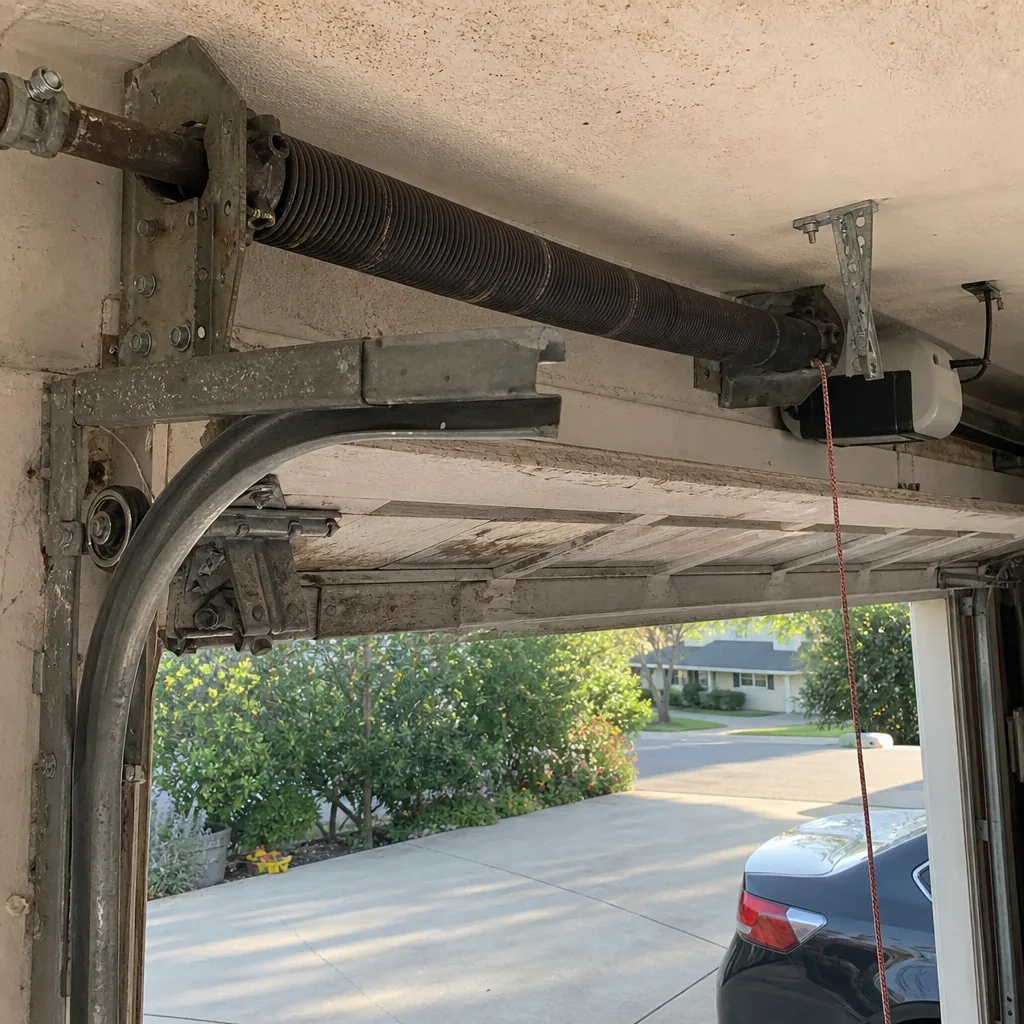 Before
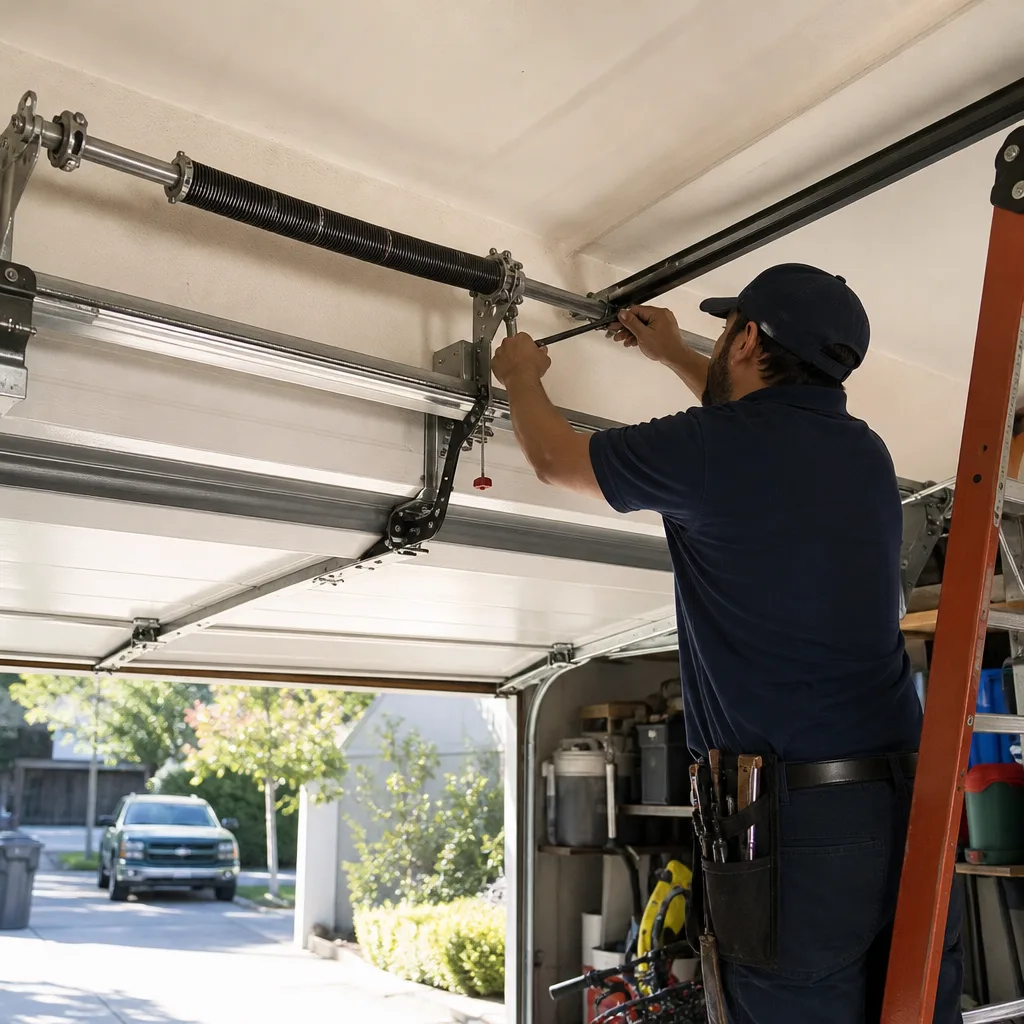 After
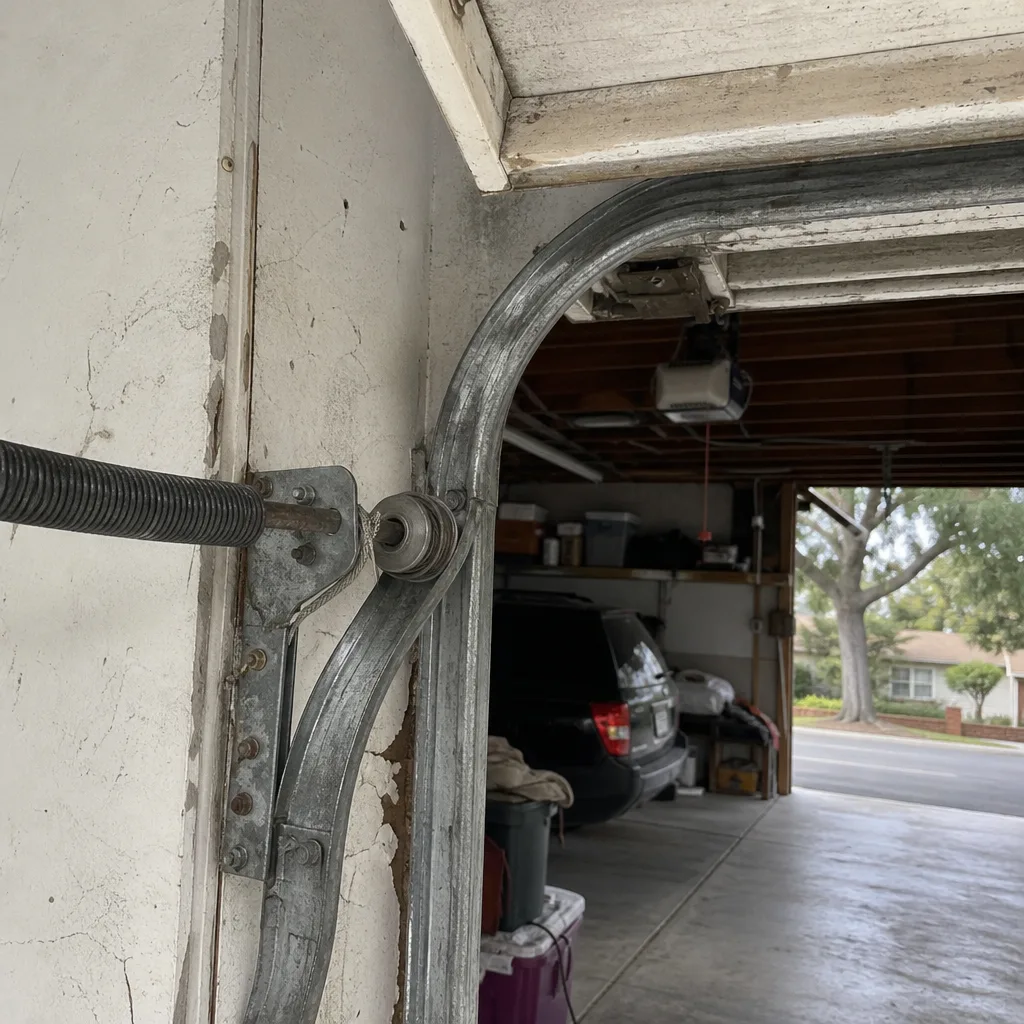 Before
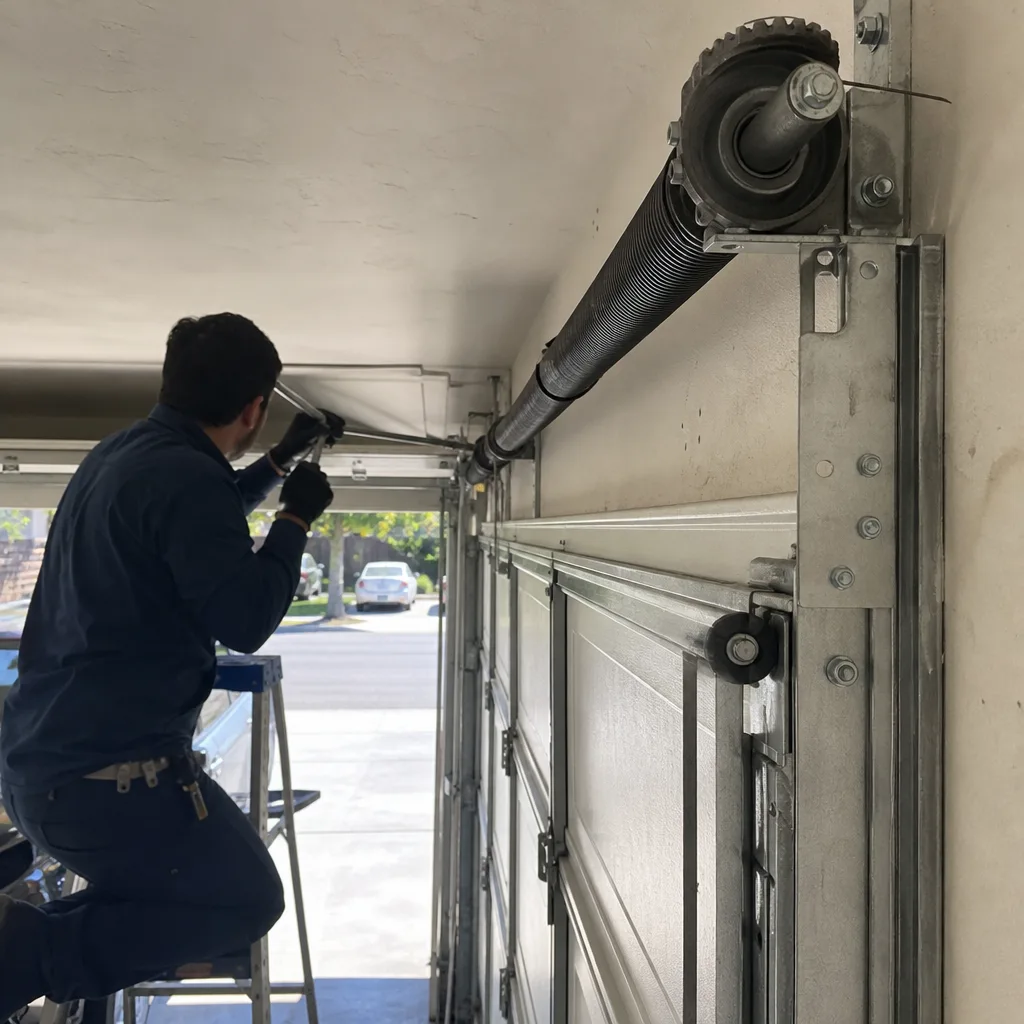 After
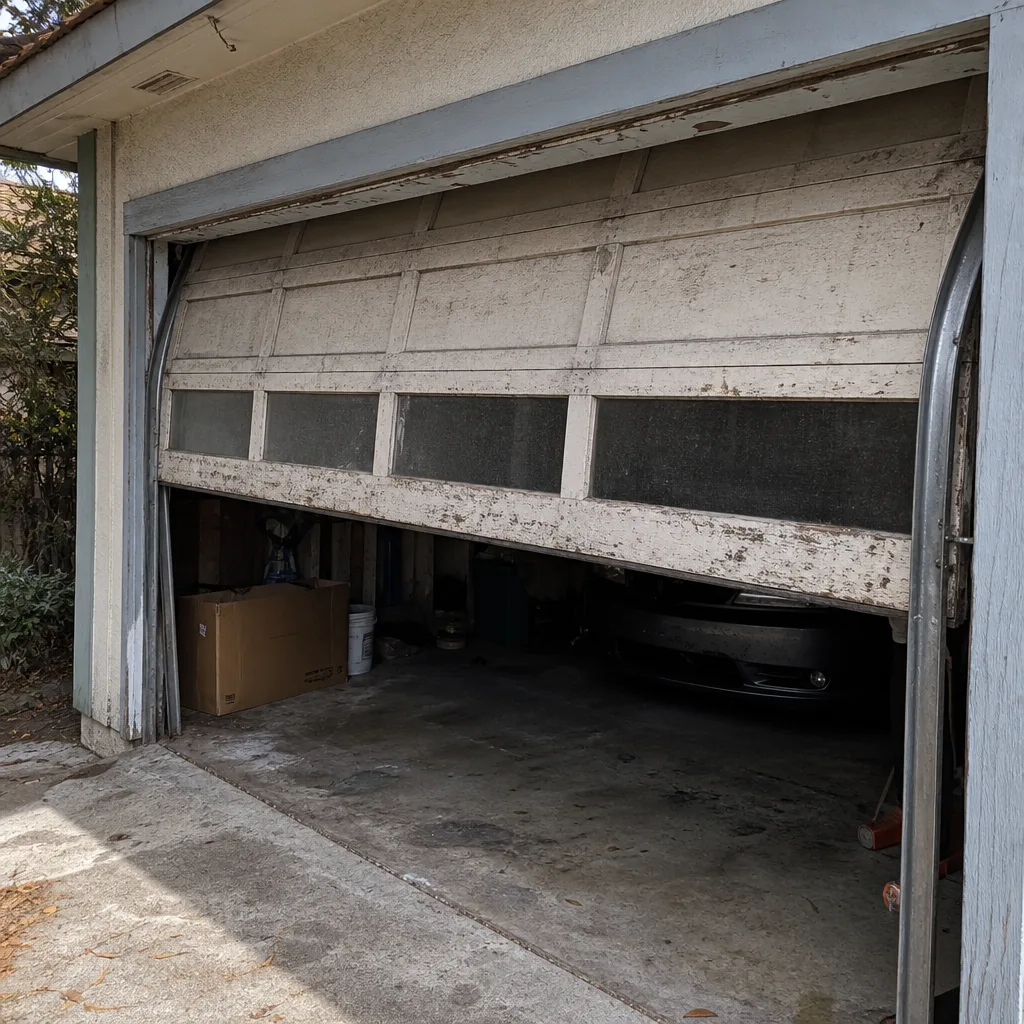 Before
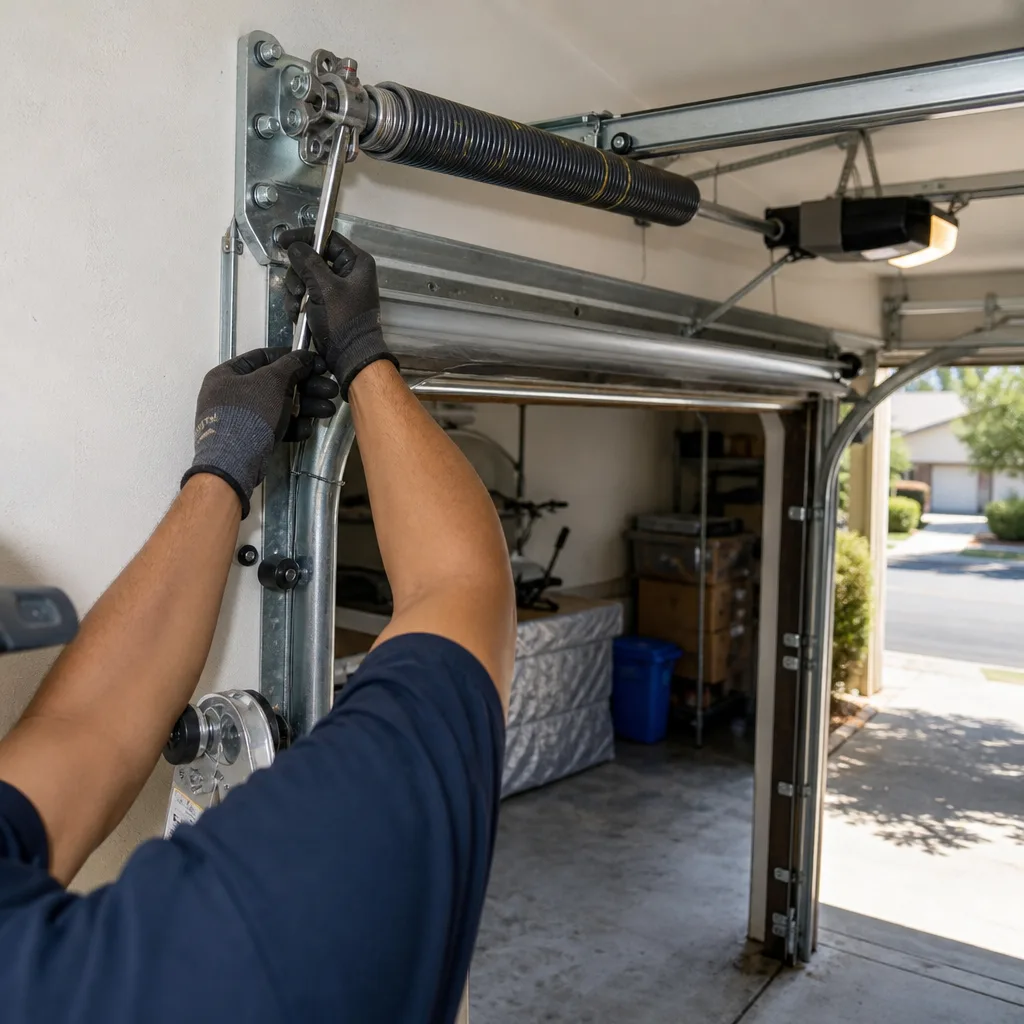 After